
Over the past year, RYTHM Foundation’s work showed up in classrooms, training spaces, and community settings where progress is often slow and uneven. Its focus stayed on inclusive education and community development programmes designed to produce results that could be seen and measured.
That work unfolded across the countries where we’re present, spanning education, youth development, indigenous empowerment, and community support. They tracked learning, built skills, strengthened local leadership, and improved access.
Consistent Education Programme Outcomes
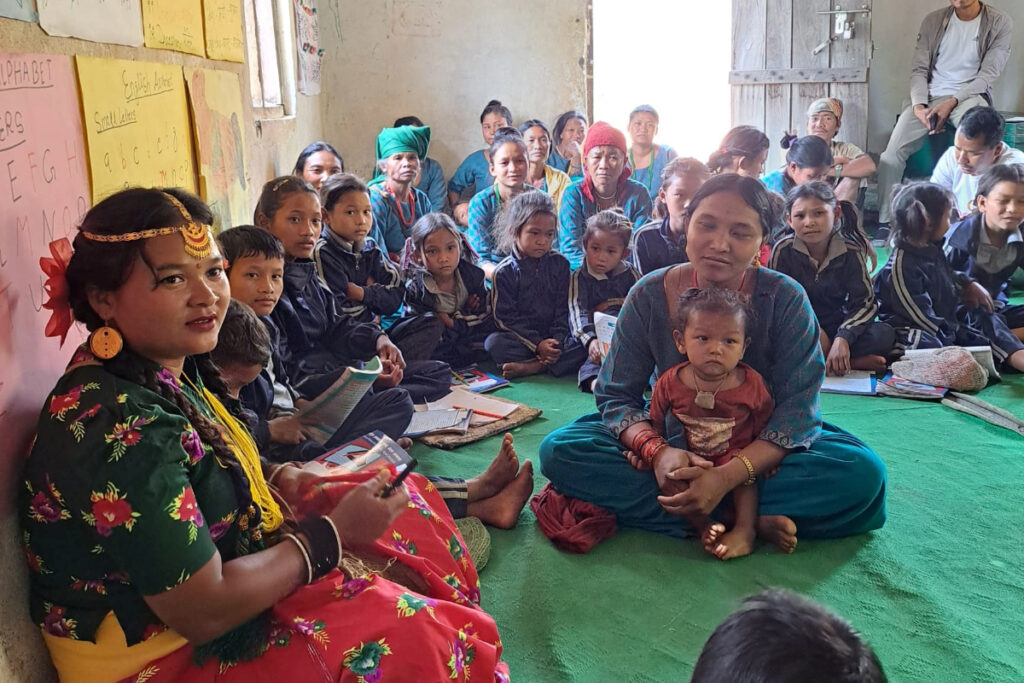
Education remained a significant focus throughout the year, with programmes spanning India, Nepal, Malaysia, and Ghana.
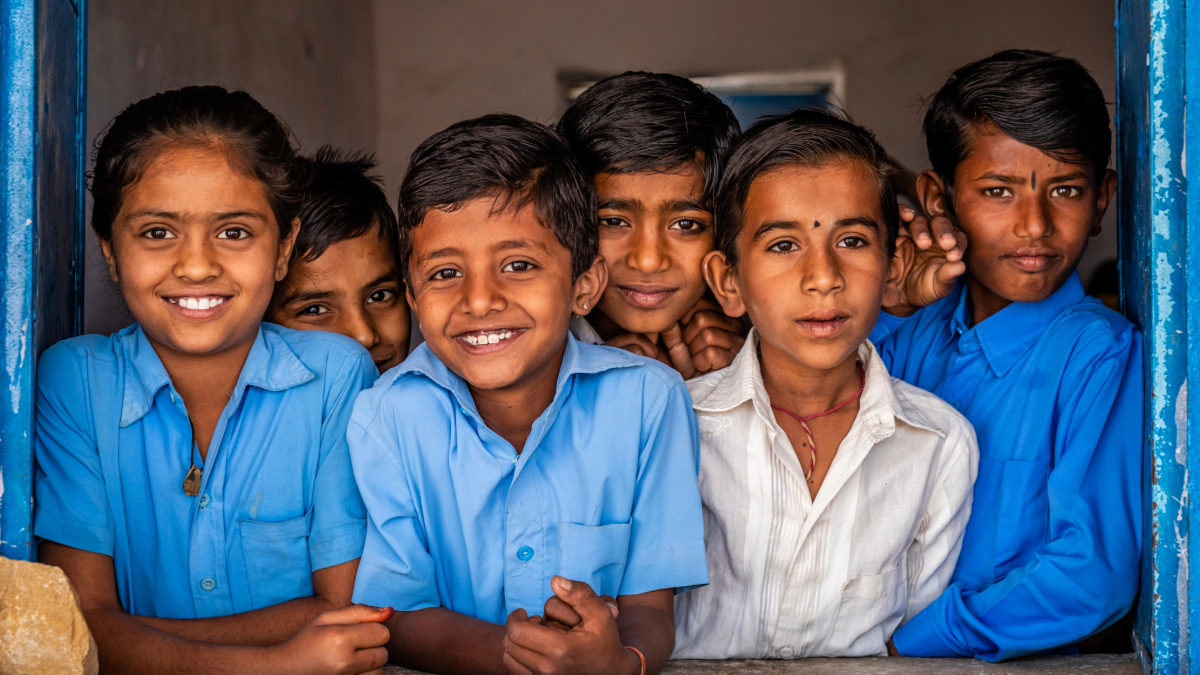
India: the basic learning North Bengal Literacy and Numeracy Programme enrolled 1,147 students, with 1,012 maintaining regular attendance. This project supports marginalised communities by helping children join or resume mainstream education.
Nepal: the Engaging School Community for Quality Education programme supported 678 students each day through school meals, ICT classes, and structured parent engagement, improving retention and learning outcomes.
Long-term inclusion also remained central to the Empowerment of Girls and Children Programme among Nepal’s Chepang community in remote Raksirang. Of the 172 children engaged, 80% transitioned into formal schooling. Additionally, four women’s groups continued providing local support for inclusive education efforts.
Malaysia: the Panai 3M Literacy Programme reported that 88% of students demonstrated considerable improvements in reading, writing, and counting by the end of the programme. The initiative in Negeri Sembilan helps indigenous Orang Asli Semelai students take significant steps toward mastering the basics.
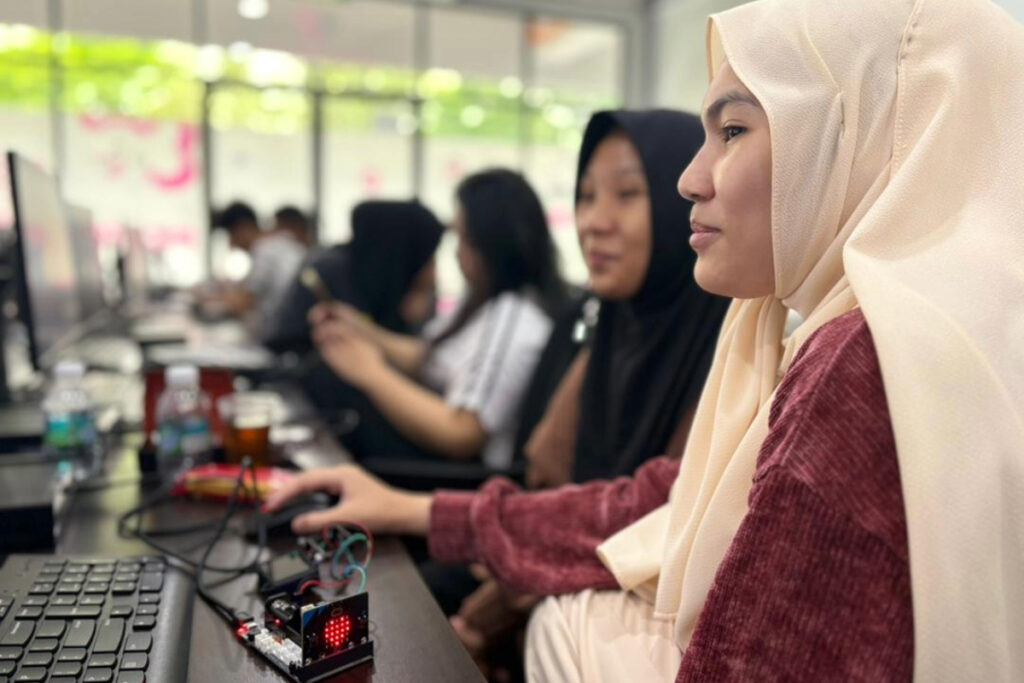
Under the Maharani banner, 12 basic coding sessions reached girls with limited prior digital experience at Maharani Learning Lab, while more than 160 girls across two Maharani School Programme cohorts reported a 90% increase in confidence.
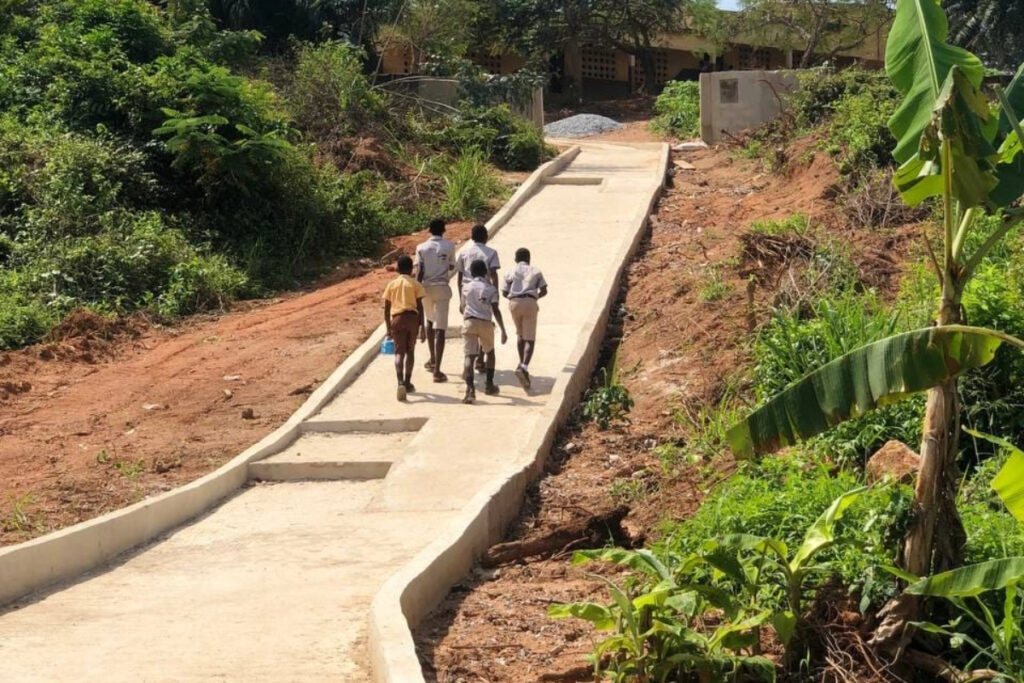
Ghana: RYTHM’s work with The ANOPA Project in Cape Coast continued at two schools, where vocational training and infrastructure upgrades improved access and safety for students with disabilities. These interventions have made daily movement safer and learning environments more inclusive for students with disabilities.


Independence for Indigenous Communities
RHYTM’s indigenous-led initiatives in 2025 focused on education, livelihoods, and cultural continuity.
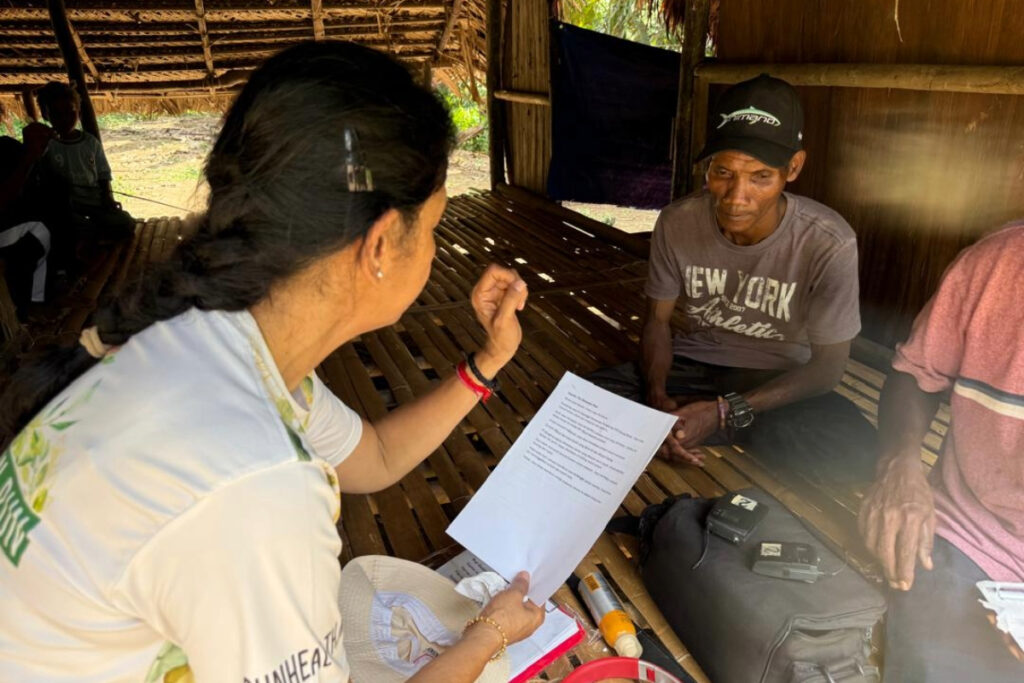
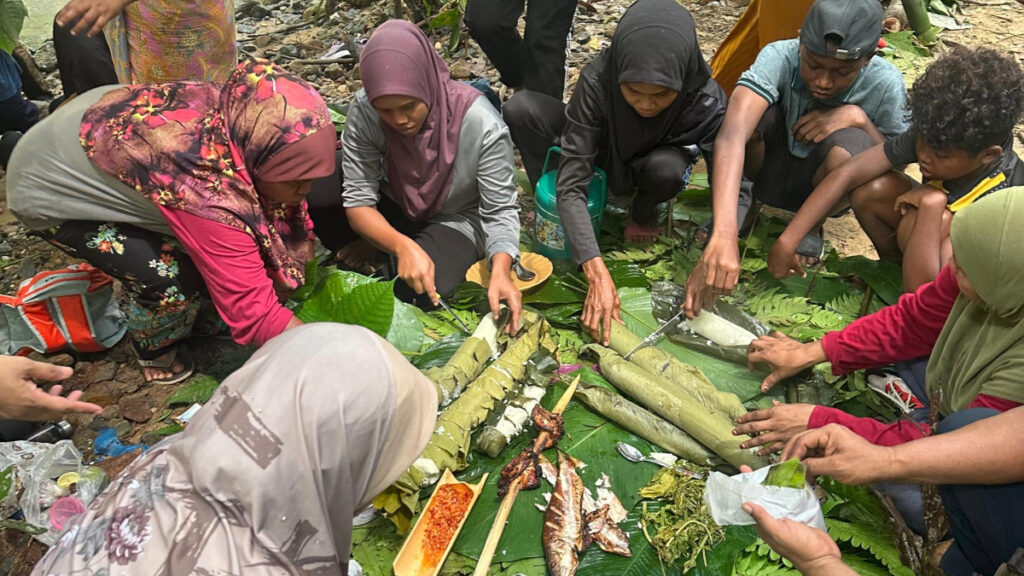
Malaysia: a key milestone has been the Basic Readers for Indigenous Children (BRIC) project, the first effort to create written learning materials in the Orang Asli Bateq language, with over two hours of audio recorded and 20,916 words transcribed to date.
Efforts over the year also focused on the Orang Asli Kensiu community in Kedah and Johor’s Orang Asli Jakun, covering sustainable education, cultural preservation, and economic development through eco-tourism and skills training.
On the advocacy front, Rimba Fest brought indigenous communities, partners, and supporters together to centre cultural expression and community-led solutions.


Youth Programmes and Measurable Gains
Malaysia: youth development through sport and service continued to show tangible results. Participants in the Jaguh RF inclusive youth football programme recorded a 70% increase in fitness levels and a 46% improvement in football skills. The programme capped off the year with a tournament that celebrated skill, growth, and the joy of playing as much as the final score.
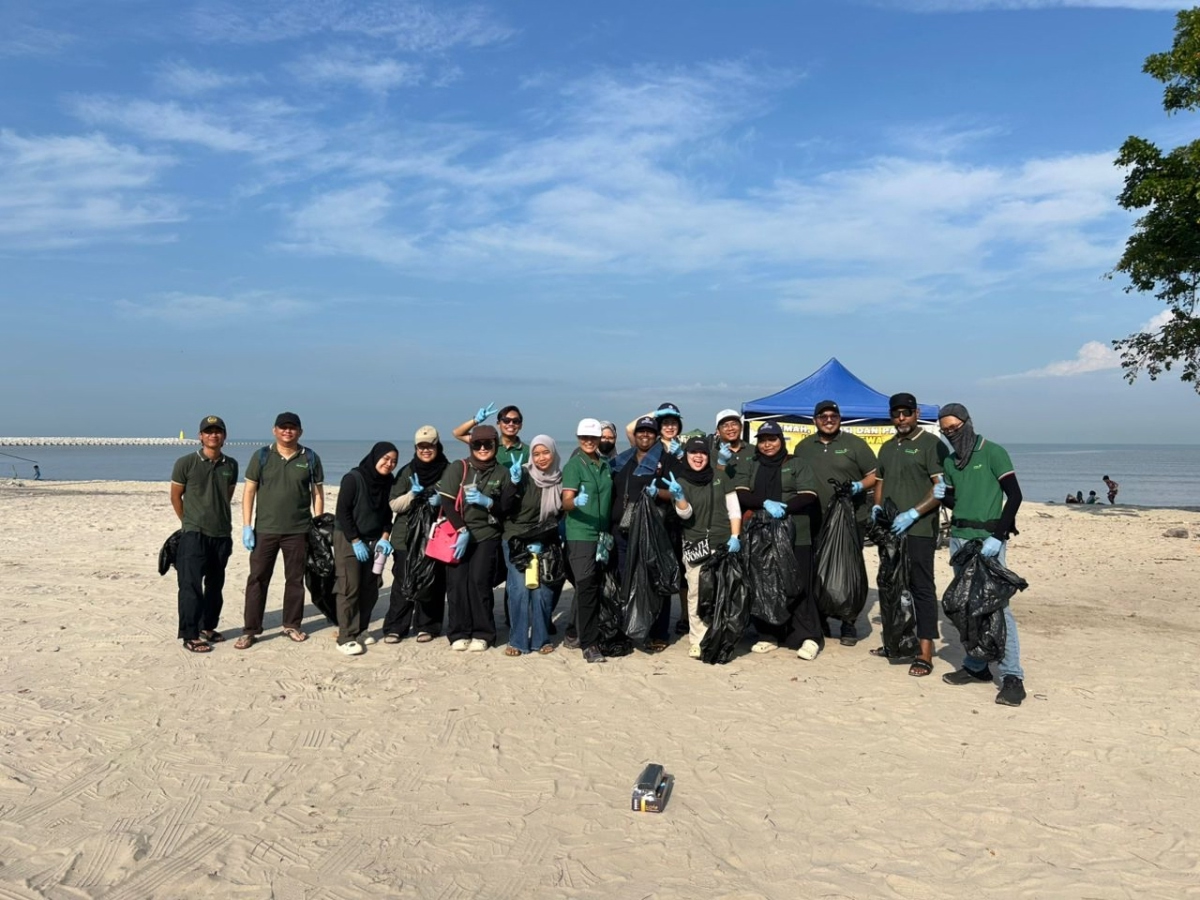
On the Volunteer Development Programme front, we engaged 35 volunteers who contributed 1,094 hours across various education, environmental, and youth empowerment projects, with participants recording an 85.7% retention rate.


The Gift of Focused Support
Malaysia: the Gift of Life initiative extended assistance to 3 beneficiaries, including a wheelchair contribution to 10-year-old Saiabbinaya, who lives with spina bifida, and aid to secondary school SMK Vivekananda for the lease of a regulation-size football pitch for its Jaguh RF students to train for a tournament.
India: the Safer Cities for Girls programme, which creates safer public spaces while equipping girls and young women to protect themselves and speak up, engaged 2,030 adolescents, 330 of whom were trained as Champions of Change. Community outreach activities reached more than 55,600 people, helping create safer, more inclusive public spaces.


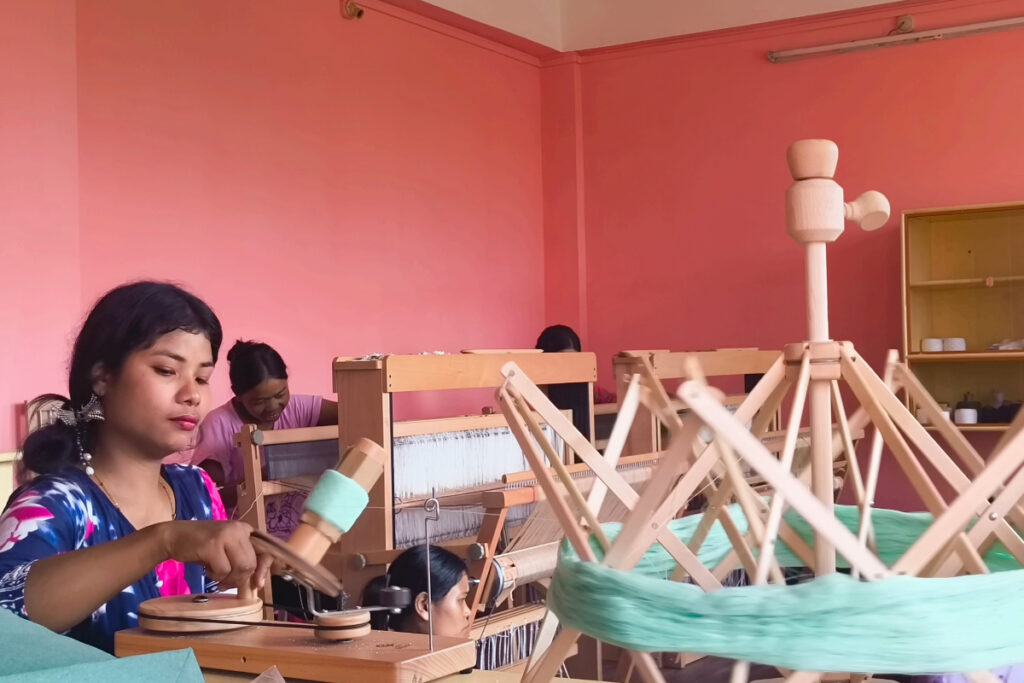
India, Nepal: community development efforts also extended into remote and underserved regions. RYTHM partner Global Himalayan Expedition expanded its support to include renewable energy access and livelihood improvements. These included 20 villagers completing weaving and spinning training, establishing 4 homestays, and distributing up to 20 energy-efficient cookstoves.
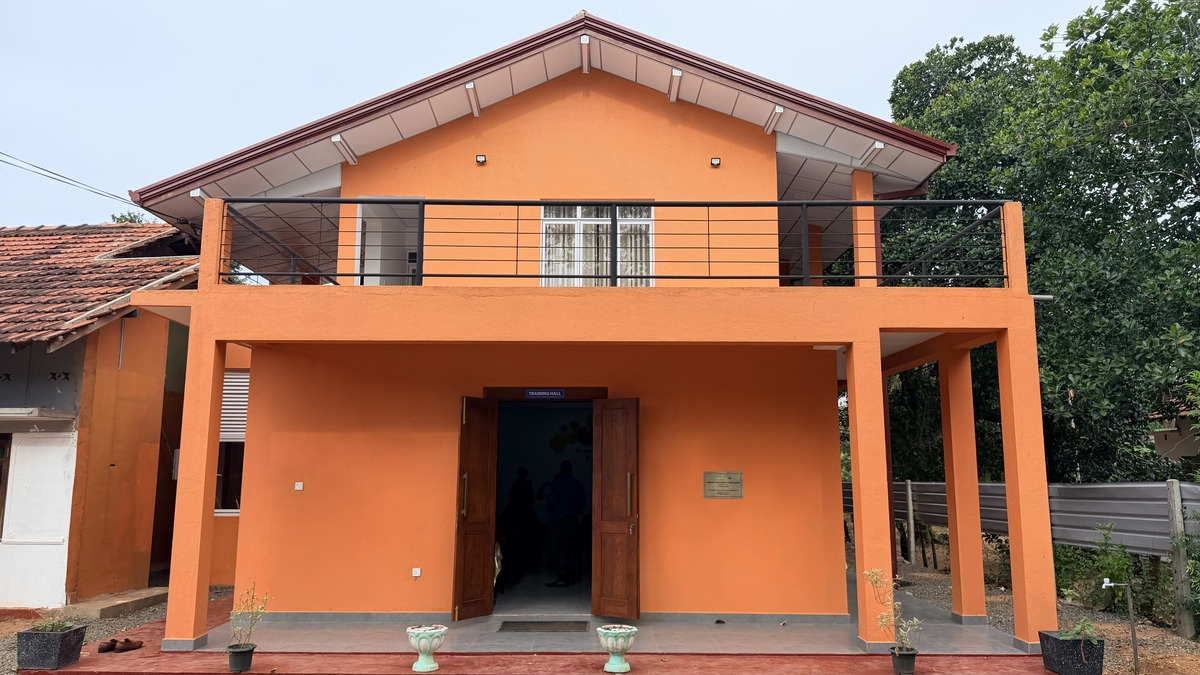
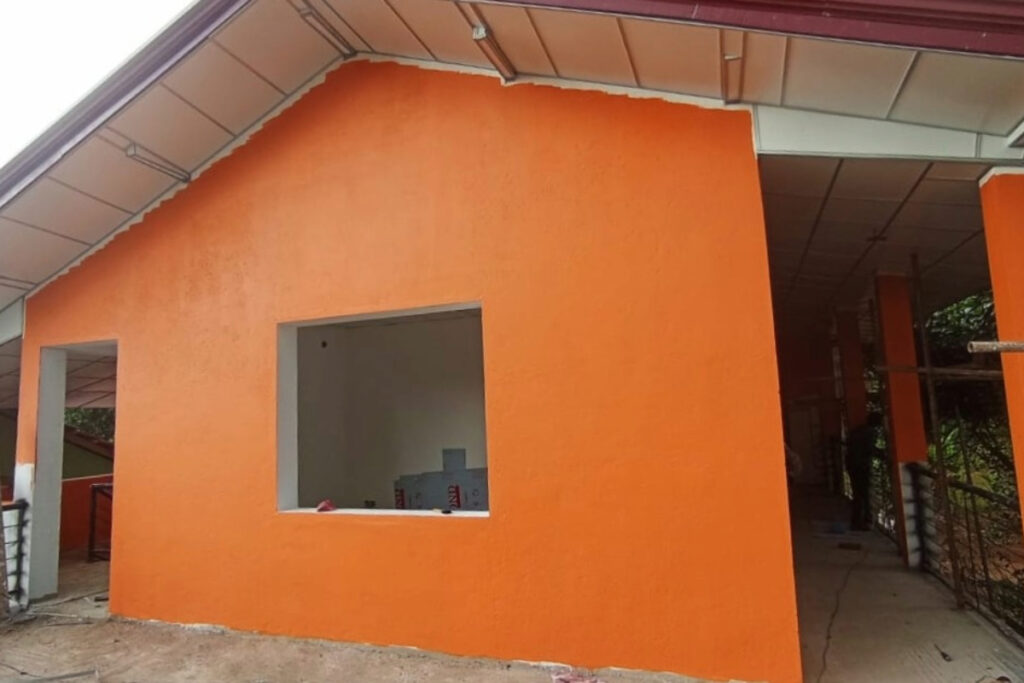
Sri Lanka: the Sarvodaya Community Development Programme in Mullaitivu reached a significant stage, with the RYTHM-sponsored Community Development and Training Centre nearing 95% completion. Once operational, the centre is expected to support vocational training and programmes for youth and women.
Separately, support for child survivors of abuse remained focused on recovery and care. The programme with the NGO LEADS delivered 299 residential counselling, 12 individual counselling, and 27 psychosocial training sessions for caregivers and practitioners.
Here’s a look back at a year of steady work, measurable progress, and communities moving forward together:
Moving into 2026
The work carried out in 2025 reflects a year shaped by steady delivery and measurable outcomes. As we prepare for 2026, the focus remains on strengthening existing programmes, deepening community partnerships, and extending support where needs are greatest.
The year ahead builds on the understanding that durable change comes from sustained effort, local trust, and progress that can be clearly seen and counted.