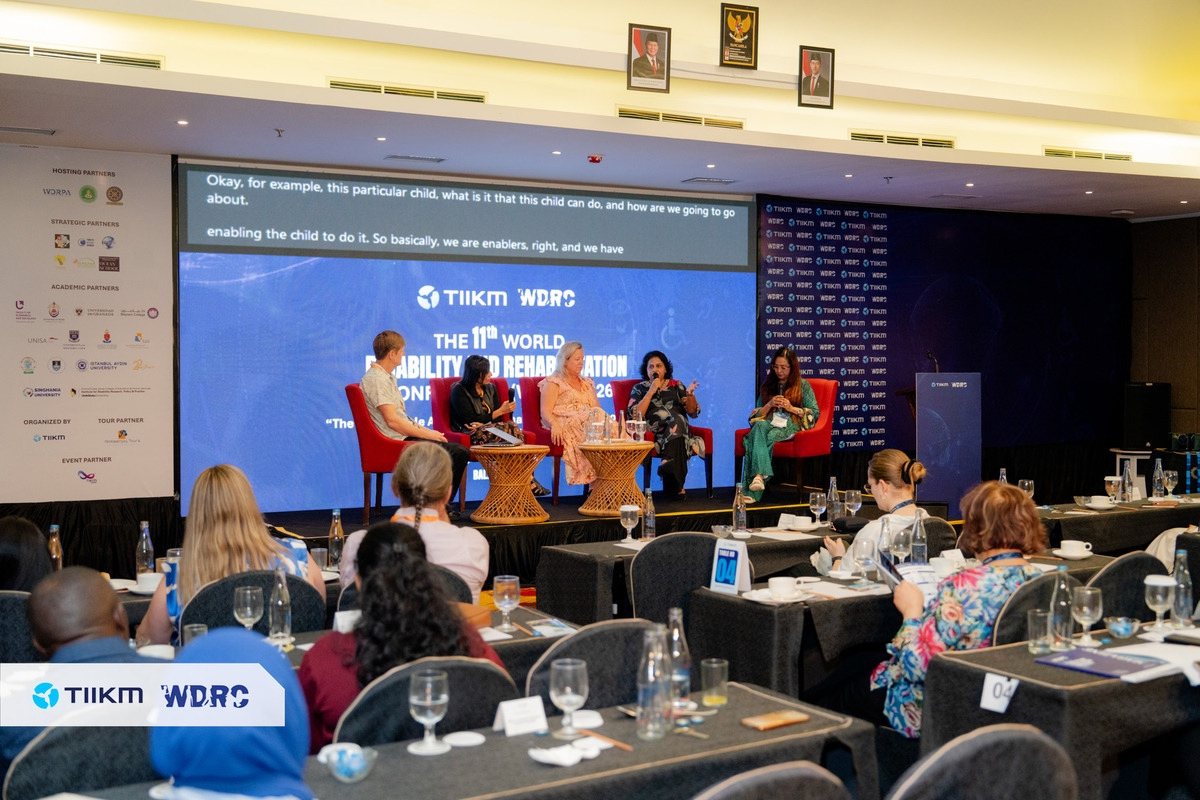

Taarana showcased how special needs education and vocational training can create pathways towards greater independence at the 11th World Disability and Rehabilitation Conference 2026 in Bali, Indonesia.
Held on 10 and 11 August, the international conference brought together researchers, educators and disability-sector professionals from 28 countries. Under the theme, “The Sustainable Advantage: Human Relations, Technology, and Mental Health for Disability Inclusion,” participants explored sustainable approaches to education, rehabilitation, employment and social participation.
As a Strategic Partner of the conference, Taarana shared practical insights from its experience in special needs education. Principal Dr Sunitha Sivakumaran and Senior Special Needs Teacher Joanne Matilda John represented Taarana, presenting approaches designed to strengthen learners’ communication, social and vocational skills.
Creating Vocational Opportunities for Learners with Special Needs
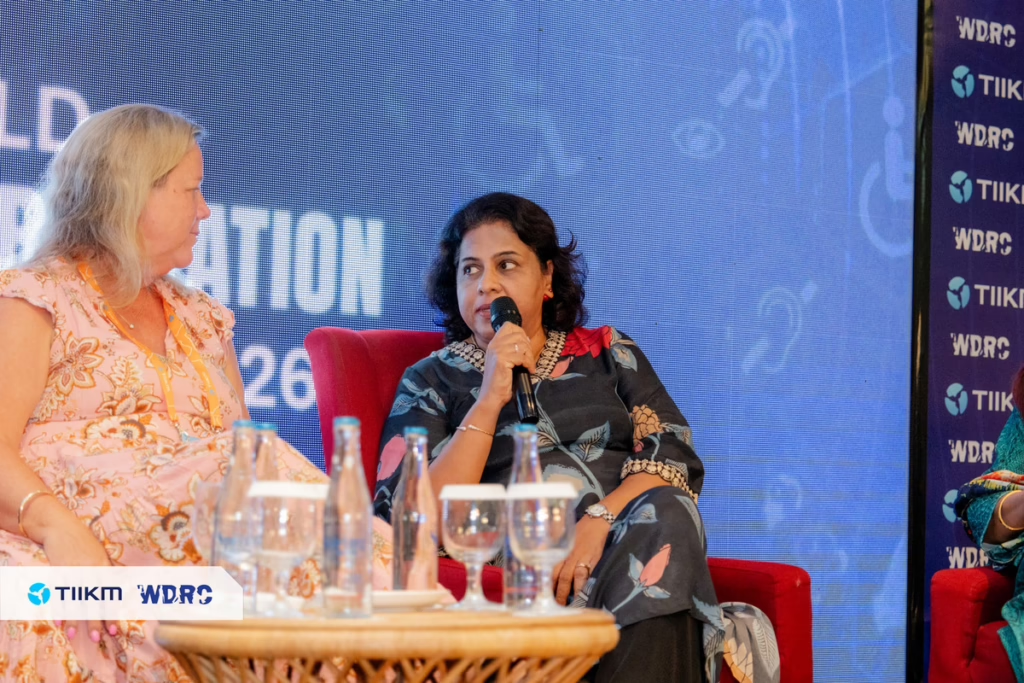
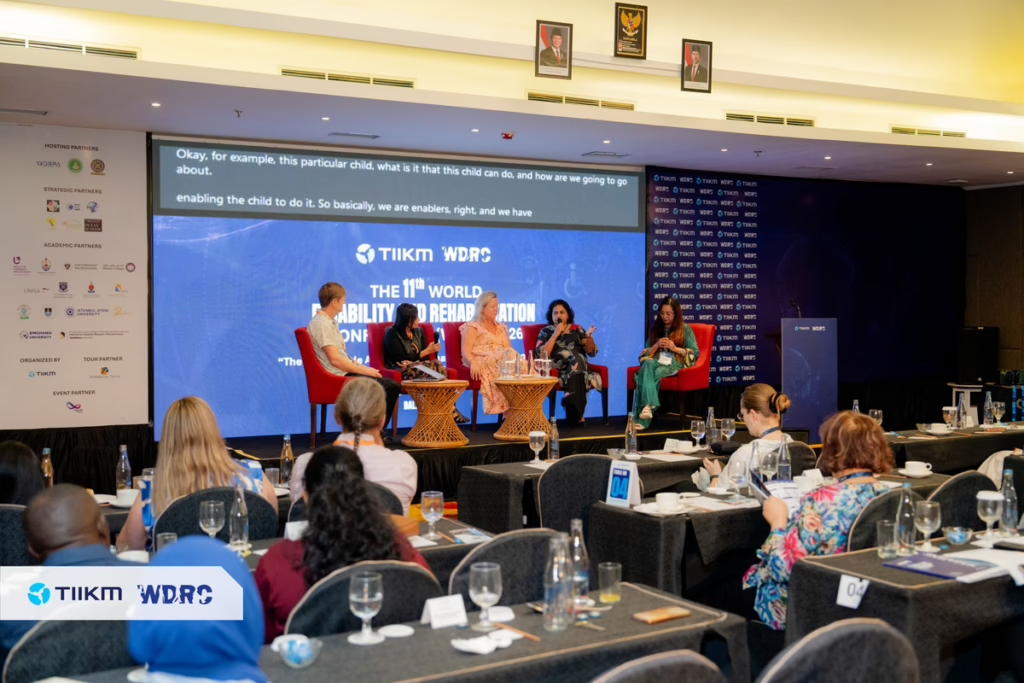
Dr Sunitha presented a storytelling session titled “Empowering through Enterprise: The Story of Taarana Cafe and Merchandise.”
Her presentation explored how practical learning and social enterprise can support vocational development for learners with special needs. Through Taarana Cafe and its merchandise activities, learners have opportunities to practise communication, teamwork, customer interaction, responsibility and basic entrepreneurial skills in a supportive environment.
“At Taarana, vocational development is not simply about teaching learners how to complete a task. It is about helping them recognise what they can contribute, build confidence through experience and develop the skills they need to participate more independently in their communities,” said Dr Sunitha.
“Every learner has different abilities, interests and aspirations. Our responsibility is to create pathways that respond to the individual and give each learner meaningful opportunities to learn, contribute and grow,” she said.
Dr Sunitha also chaired a technical session on inclusive healthcare systems and the United Nations Sustainable Development Goals and participated in an academic panel examining how human-centred innovation can advance inclusive and sustainable approaches to disability and rehabilitation.
Building Communication and Social Skills for the Future
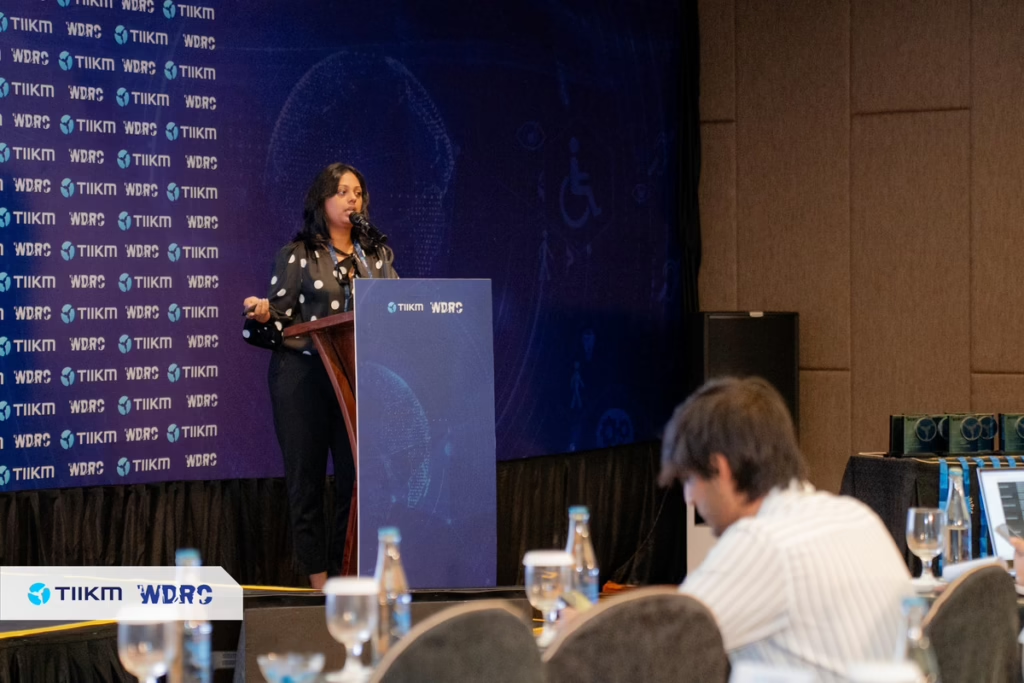
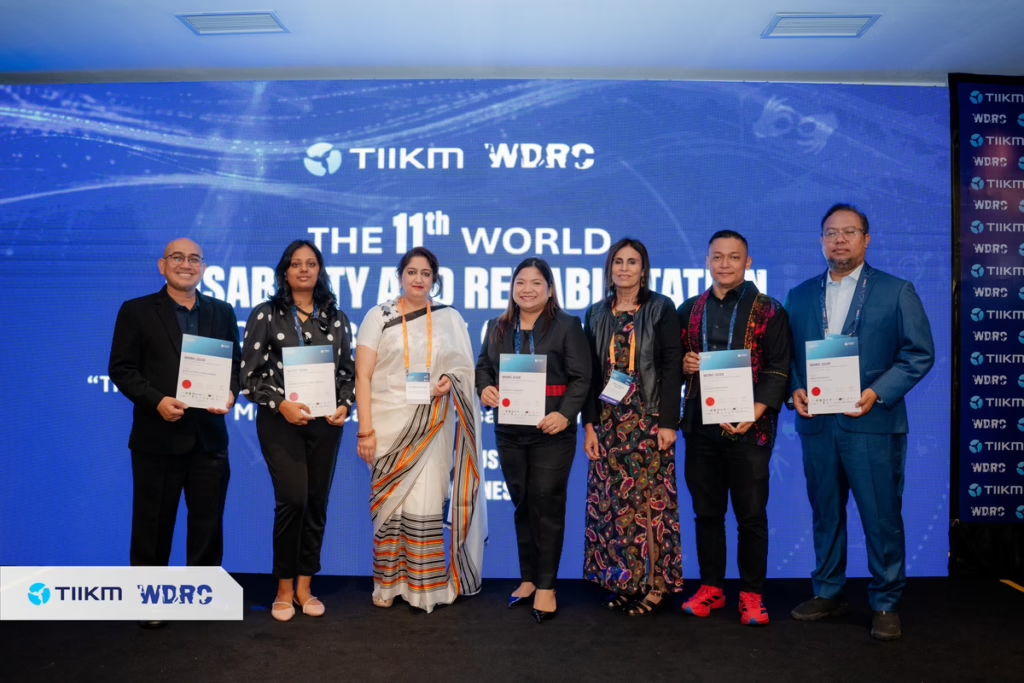
Joanne presented a Taarana case study titled “Impact of Communication and Social Skills Program for Inclusion and Future Employment.”
The presentation highlighted the importance of communication and social skills in preparing individuals with disabilities for greater inclusion and potential future employment. Complementing vocational training, these skills help learners express their needs, interact with others, work in teams and navigate different social situations.
“Communication and social skills influence so many aspects of a learner’s life, from forming relationships and participating in everyday activities to adapting to a workplace environment,” Joanne said.
“When these skills are taught consistently and practised in real-life situations, we begin to see learners participate with greater confidence. This foundation is essential if we want to create meaningful and sustainable pathways towards inclusion and future employment,” she added.
Both presentations reflected Taarana’s approach to special needs education, which extends beyond academic development to strengthen the practical and interpersonal capabilities learners need in everyday life.
From Learning to Greater Independence
A key discussion at the conference centred on enabling individuals with disabilities to move beyond education and care towards meaningful social and economic participation.
Taarana demonstrated how individualised vocational development, combined with communication, interpersonal and workplace-readiness skills, can help learners prepare for greater independence.
Social enterprise can play an important role in this journey. Initiatives such as Taarana Cafe give learners a supportive, real-world setting to develop vocational skills, build positive work habits and gain confidence in interacting with others.
The conference also enabled Taarana to exchange knowledge with special needs education providers and disability organisations from around the world, creating opportunities to share teaching approaches, vocational models, resources and good practices.
Advancing Disability Inclusion Through Education
Taarana’s participation brought practical experience from Malaysia to an international conversation on inclusive education and rehabilitation, while providing opportunities to learn from approaches being developed in other countries.
Its presentations reinforced a central principle of Taarana’s work: preparing learners for the future involves more than developing technical skills. It requires an individualised, human-centred approach that builds confidence, communication, responsibility and the ability to participate meaningfully in society.
By connecting special needs education with practical learning, vocational development and social enterprise, Taarana continues to help learners build the capabilities they need for greater independence, dignity and inclusion.