
For children who have experienced abuse, immediate protection is only the beginning. Child psychosocial support, continued education and opportunities to rebuild confidence and recognise their potential are also essential to recovery.
At the Safe Home in the Northern Province of Sri Lanka, LEADS provides psychosocial support for child survivors alongside education, creative activities and vocational learning, with support from RYTHM Foundation. Together, these interventions help children regain stability, recognise their abilities and begin to see new possibilities for their futures.
How Child Psychosocial Support Aids Recovery
Children arriving at the Safe Home are admitted under court-directed protection following experiences of abuse.
“When the children arrive, they are usually exhausted, fearful and facing significant emotional difficulties,” explains Nicholas Sebestianpillai, District Coordinator at LEADS.
Individual counselling gives each child a safe space to process their experiences. Where appropriate, group sessions also address shared concerns and help children understand that they are not alone.
Yet recovery is not confined to counselling. It is also shaped by the environment in which a child lives each day.
House Parents work in shifts to support and engage with the children. Alongside counselling and education, the children follow a schedule that includes creative and skills-developmental activities.
“If we provide only counsellors, the counselling may happen, but the whole psychosocial support system may not,” says Nivedita Jeevabala, Child Protection Team Lead.
This wider approach to child psychosocial support helps children reconnect with learning, explore their interests and gradually rebuild their confidence.
Rediscovering Talents and Possibilities
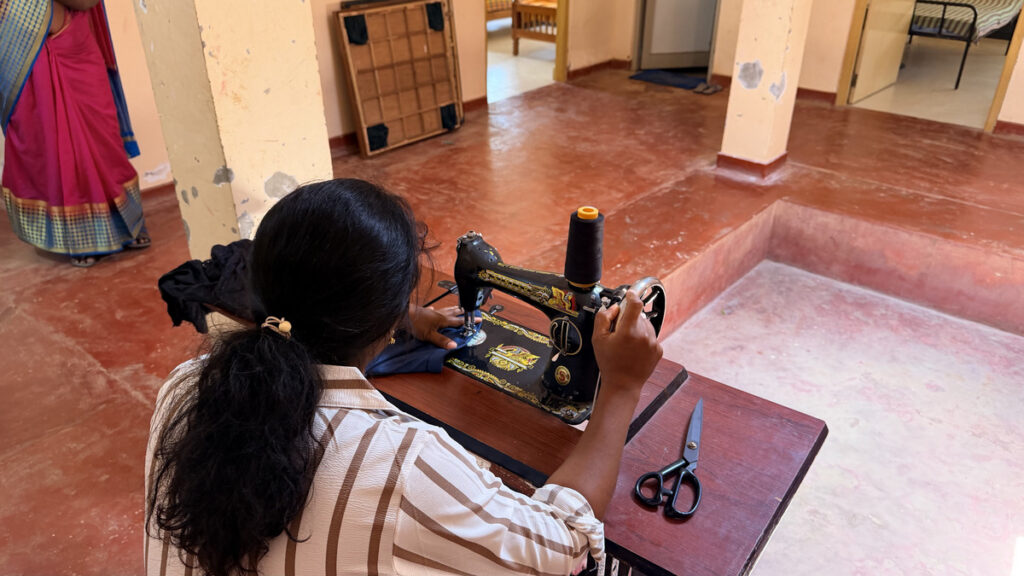
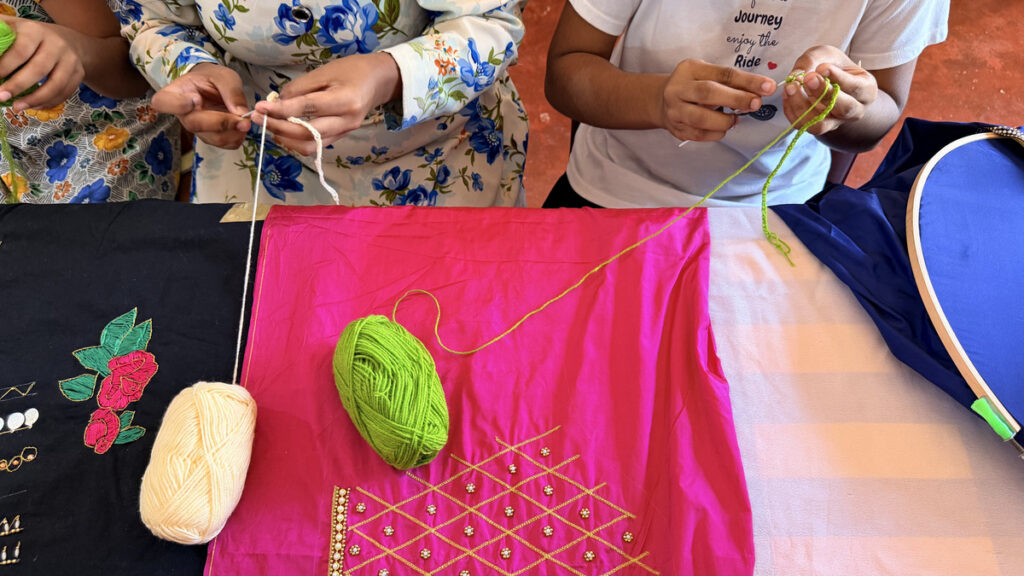
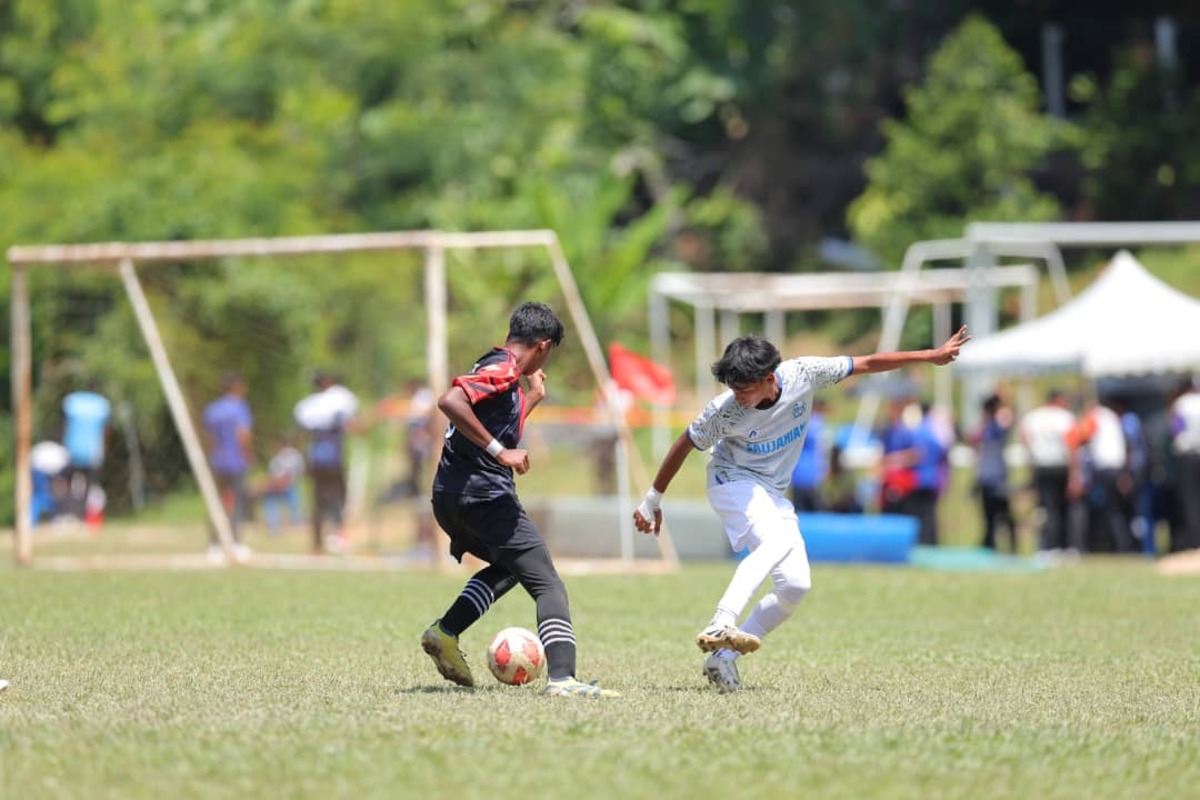
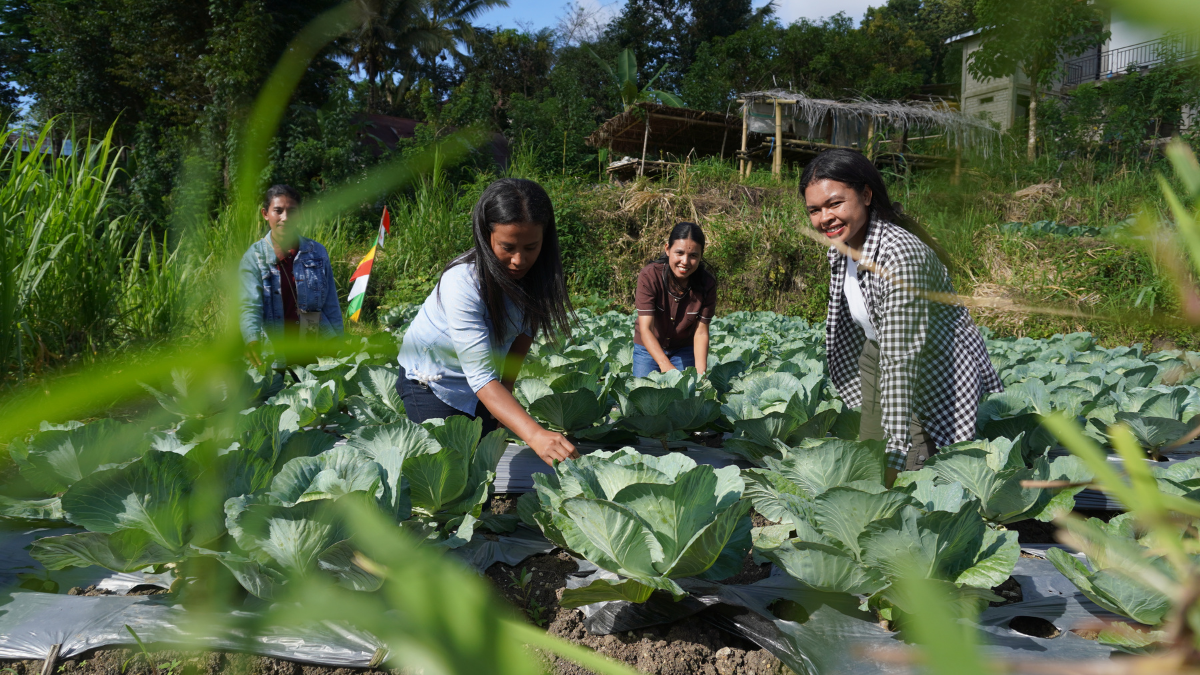
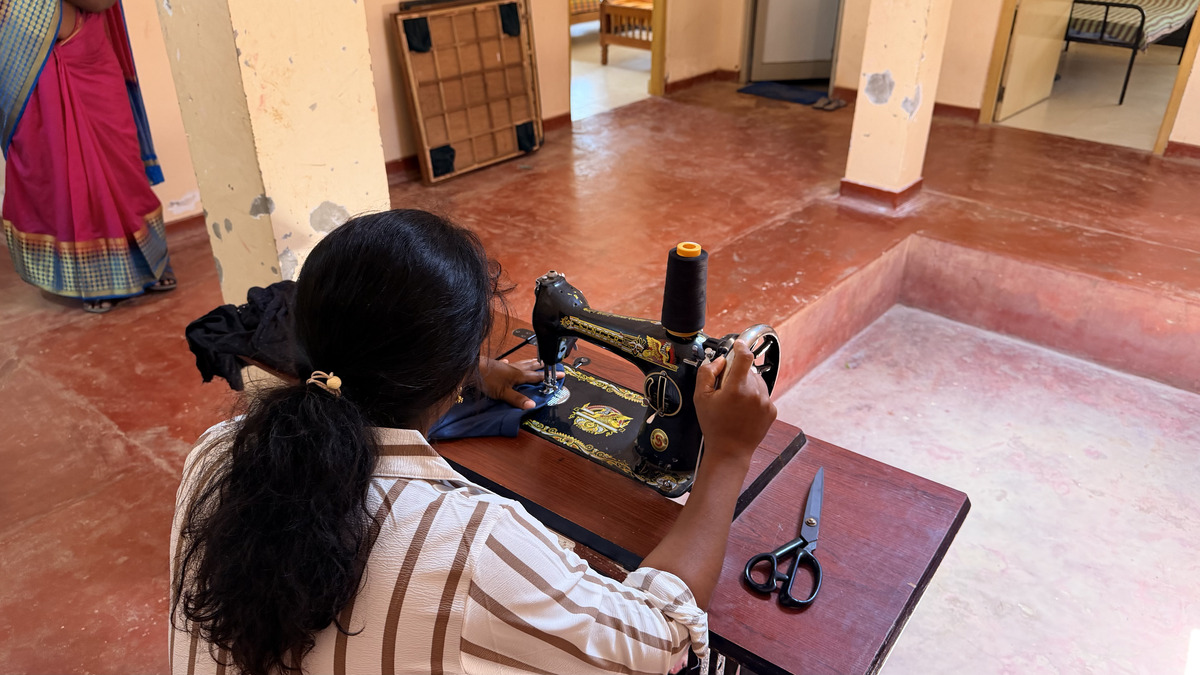
Alongside counselling, the children continue their school education and receive additional tuition. They also participate in sewing, cooking, handicrafts, music, singing and other creative or vocational activities.
These activities help children identify and develop their talents while building confidence and new skills.
Education is also a fundamental part of rebuilding their futures. In the past year, four children supported through the programme passed their G.C.E. Ordinary Level examinations and qualified to pursue Advanced Level studies.
Progress may also appear in quieter ways: participating in an activity, discovering an interest, speaking more confidently or expressing an ambition for the future. Each step helps children see themselves through their abilities rather than only through the experiences that brought them to the safe home.
Supporting Safer Transitions
Wherever conditions allow, the programme aims to reunite children safely with their parents and siblings. LEADS works with families to understand the circumstances contributing to a child’s vulnerability and identify the support required.
When returning home would place a child at further risk, the child may instead be transferred to an appropriate Child Development Centre. Follow-up counselling and educational assistance continue after either transition, ensuring children remain supported beyond the safe home.
Building a Stronger Circle of Care
The quality of the children’s recovery also depends on the adults around them. Child Development Centre personnel receive training on safeguarding, child rights and appropriate ways of supporting children who have experienced trauma.
Frontline workers also participate in self-care and reflective-practice sessions to help them manage stress and maintain the quality of their work.
“When we build the capacity of staff, they are better able to continuously guide the children and achieve positive results,” explains Nicholas Sebestianpillai.
Helping Children See a Future Again
The programme cannot undo what the children have experienced. What it can do is help ensure that these experiences do not become the defining stories of their lives.
“These children need protection, and their futures must be built up,” says Pushpalatha Ravikumar, Counsellor at LEADS. “Creative activities and basic vocational education can strengthen their lives and prepare them for further training.”
Through its support for LEADS, RYTHM Foundation is helping children move from immediate protection towards recovery, learning and longer-term opportunity.
Every child who returns to education, discovers an ability or begins to imagine a future again shows what is possible when protection is followed by sustained care and belief in their potential.