
Inclusive education for children plays a critical role in shaping the well-being of families and communities across Southeast Asia.
The strength and foundations of a family are often reflected in its community. Yet, across this region, inequality continues to cast a long shadow over many families and the health of their communities.
Across Southeast Asia, millions of families continue to face barriers that affect their children’s ability to learn, grow, and thrive. UNESCO estimates that 18 million children, adolescents and youth in South-East Asia are out of school, while many others continue to struggle with unequal access to quality education due to poverty, disability, geography, language barriers, or social exclusion. These challenges often place emotional, financial, and caregiving strain on families, especially those from marginalised communities.
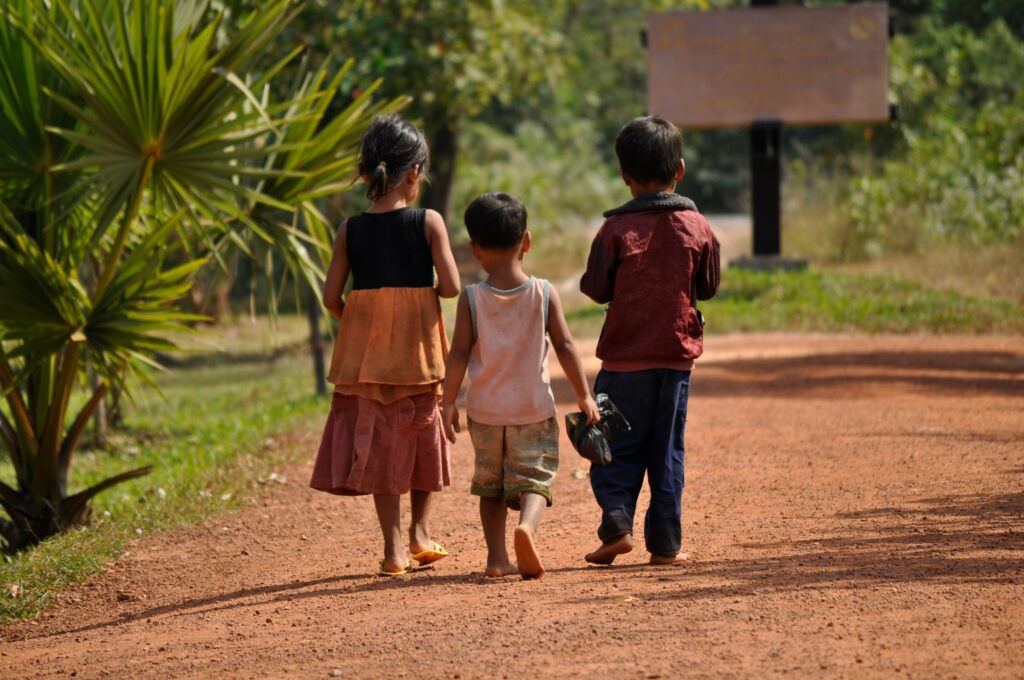
The impact is especially visible among marginalised learners: UNICEF Malaysia identifies undocumented children, children with disabilities, and Orang Asli and Indigenous children as groups facing barriers such as distance from schools, documentation issues, poverty, language gaps, and limited inclusive support in mainstream classrooms. These are precisely the kinds of barriers that inclusive education programmes must address if families and communities are to thrive.
Critically, inequality continues to limit access to quality education.
This is why, in conjunction with this year’s International Day of Families, it is important to recognise how inclusive education for every child — regardless of ability, gender, or background — can strengthen families, improve social integration, and even boost the economy.
How Education Inequality in Southeast Asia Affects Families
In many parts of Southeast Asia, the weight of educational inequality is inherited.
Wealthy families invest in private education and digital resources, while children from poorer families are more likely to attend under-resourced schools. This creates an endless cycle in which marginalised students have fewer learning opportunities.
In line with this year’s International Day of Families theme, “Families, Inequalities and Child Wellbeing,” it is important to recognise how unequal access to education can affect not only individual children, but also the resilience and stability of entire families. When children are excluded from learning opportunities, families often face added caregiving pressures, financial uncertainty, and limited pathways toward long-term social mobility and well-being.
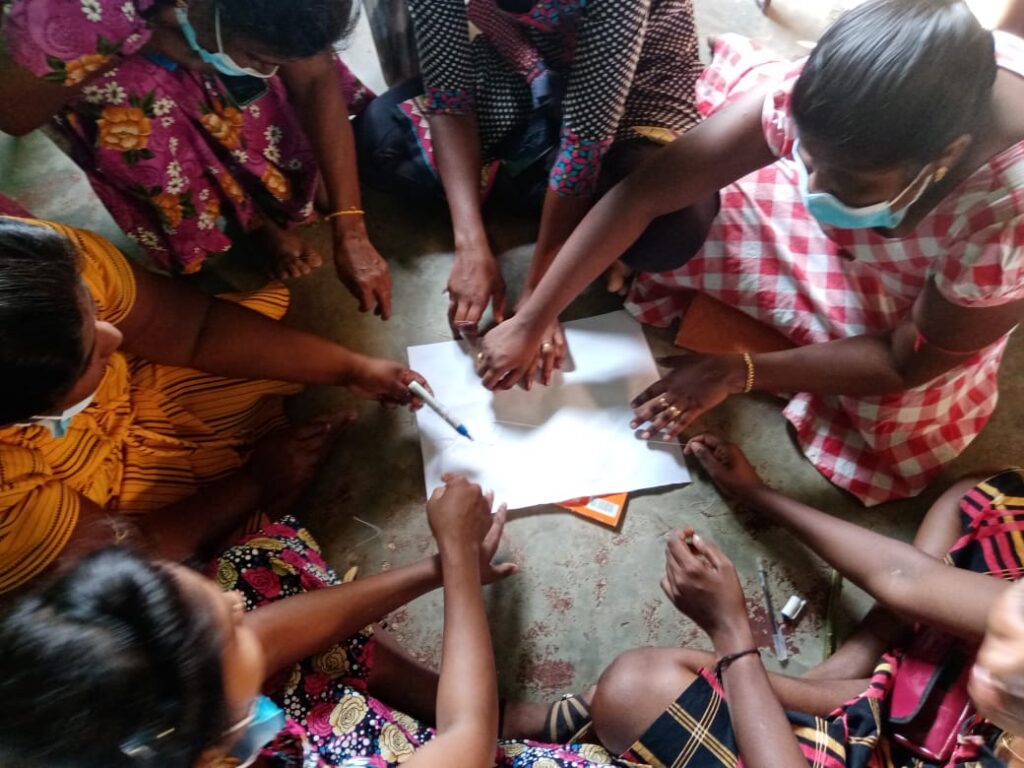
This is especially evident where children are denied equal educational access due to physical disabilities, learning difficulties, gender, or Indigenous backgrounds.
For instance, according to UNESCO, children with disabilities are among the most likely to be out of school. Meanwhile, in marginalised communities, the education of young girls is often sacrificed when resources are scarce.
This exclusion places added financial and emotional strain on families, while limiting broader community development. Inclusive access to education, however, can significantly shift these dynamics.
The Impact of Inclusive Education on Family and Community Well-being
In practice, these reasons demonstrate why inclusive education benefits not just children, but also their families and the communities they are part of:
-
- Improved Economic Outlook — When children have access to education, it often leads to better jobs and opportunities, improving financial mobility for families.
-
- Empowered Girls and Women — Girls who are empowered and educated are economic engines who can uplift their families and communities, contributing to social and economic gains across generations.
-
- Enhanced Social Integration — Inclusive schools teach empathy, ensuring that children and their families are seen as valuable members of society, reducing stigma and exclusion.
-
- Long-term Stability — Educated youth contribute to a more skilled workforce, fostering stronger communities and more resilient economies across the region.
RYTHM Foundation’s Key Inclusive Education Initiatives in Southeast Asia
RYTHM Foundation believes that education is the catalyst for social transformation and that access to education must be inclusive. That is why we take a comprehensive approach to education — going beyond academics by partnering with grassroots organisations, community groups and NGOs.
Among our key initiatives are:
-
- Community Adoption Programme — The Community Adoption Programme (CAP) focuses on empowering underserved Indigenous communities in Malaysia — such as the Bateq in Pahang, the Kensiu in Kedah, and the Jakun in Johor — with support that strengthens their access to education.
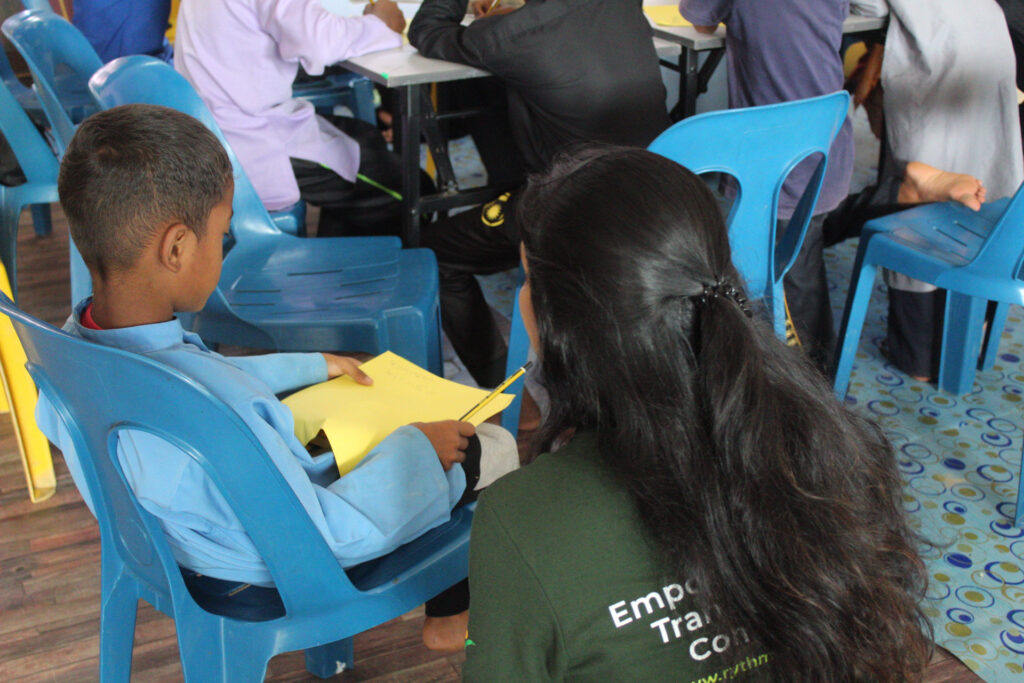
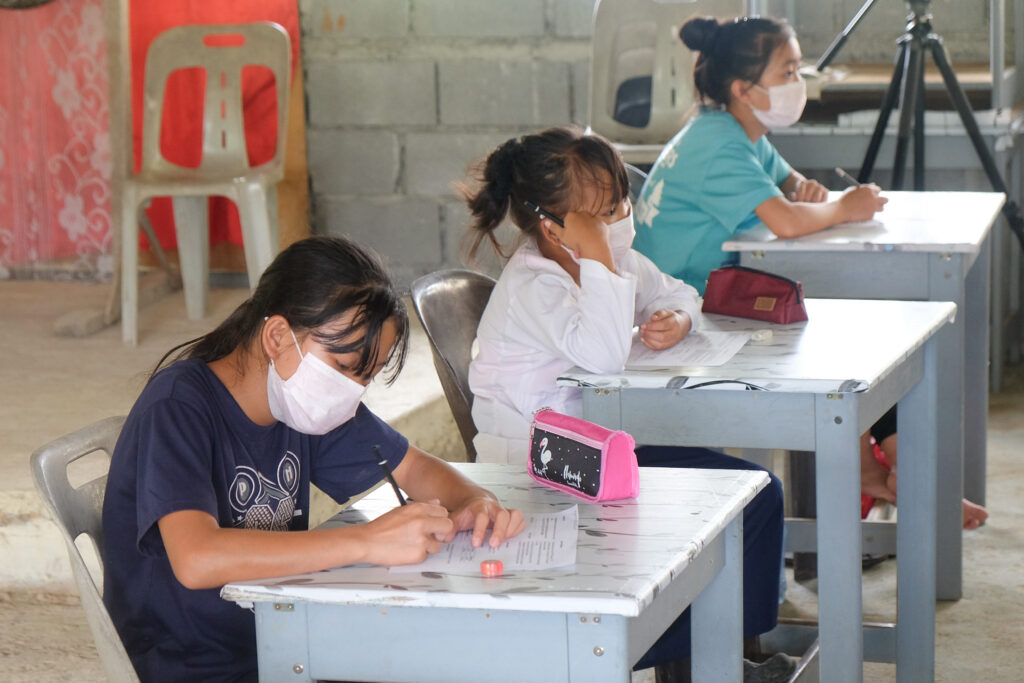
These communities have long faced barriers to progress, such as limited resources and high dropout rates. The CAP initiative addresses these challenges by creating safer, more engaging learning environments, providing academic support, and training local educators to deliver lessons that respect and preserve cultural identity. These efforts help children stay in school and give families greater stability.
-
- Maharani School Programme — The Maharani School Programme (MSP) supports adolescent girls to unlock their potential. Established in 2010, this Malaysian school-based programme focuses on a three-phase development strategy — i.e., self-discovery, staying in harmony with nature, and building leadership capacity — and has empowered thousands of girls from underserved communities through life-skills camps, digital literacy sessions, and mentorship activities.
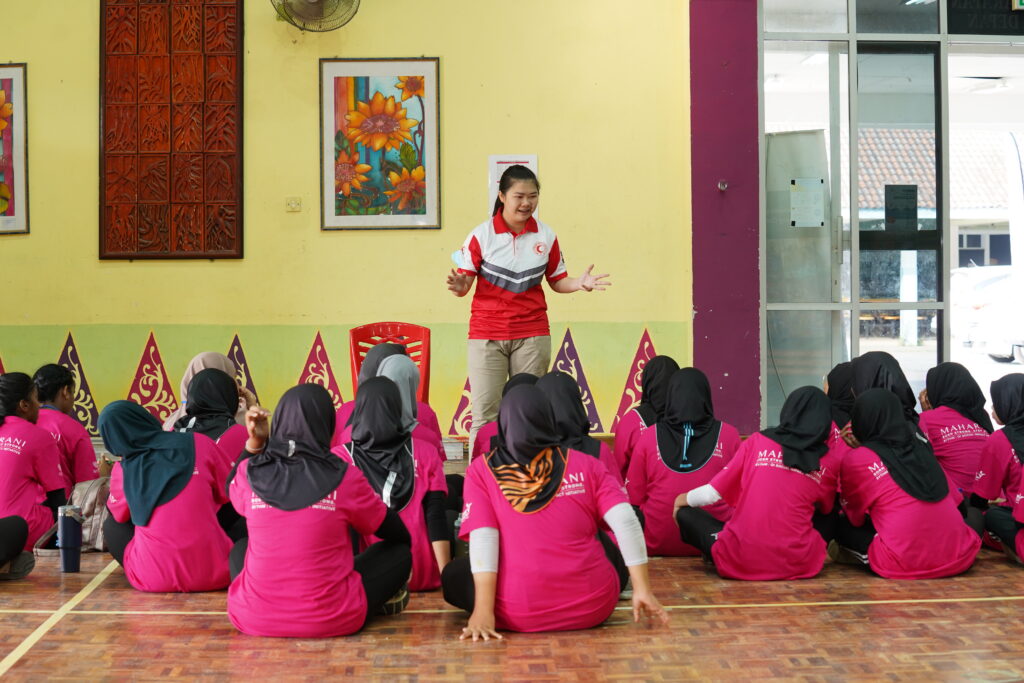
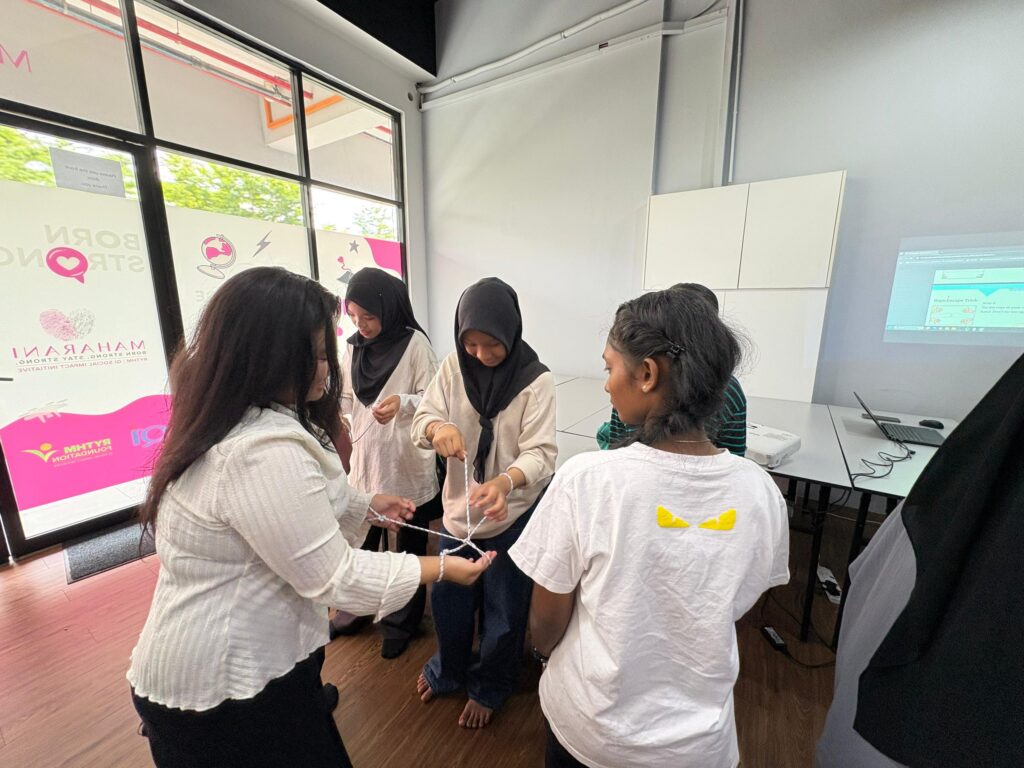
The programme is designed to create safe, supportive spaces where girls can build confidence and remain engaged in their education, thereby opening pathways to future opportunities.
-
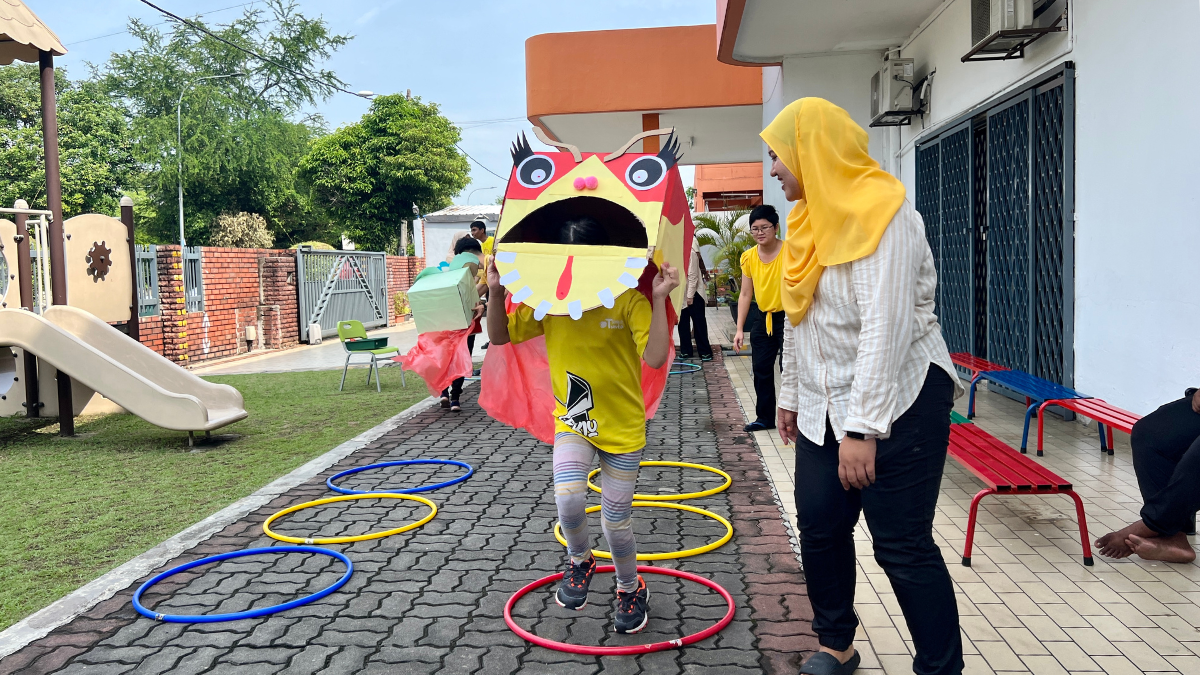
- Taarana Special Needs Education Centre — Meanwhile, supporting children with disabilities is the primary focus of the award-winning Taarana, which was established in 2011 to address the gap in special needs education.
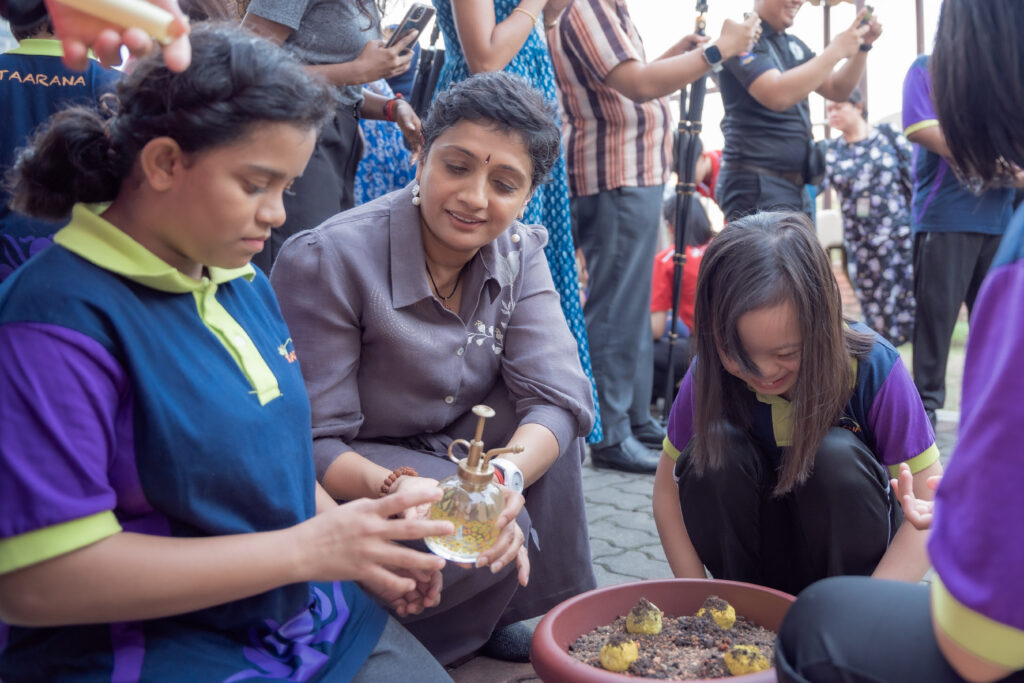
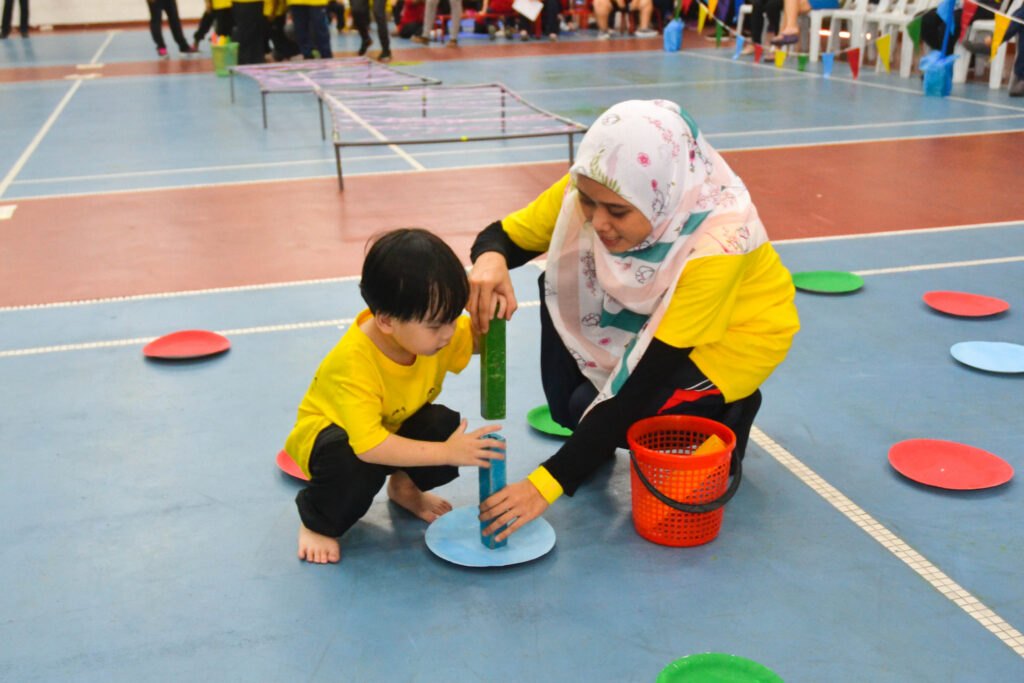
The centre provides students aged 6 to 17 with individualised plans and therapy to meet their learning needs. However, programmes are also designed to support educators and families. Indeed, families have often shared how Taarana’s approach to education lightens caregiving responsibilities while helping children grow, learn and thrive.
A Path Toward Stronger Families Through Inclusive Education
At its core, education is about equity and long-term well-being.
It is important to remember that by advocating for every child’s right to education, we aren’t just empowering individuals, but also helping families thrive and building stronger, more resilient communities.