
Play is one of the most powerful drivers of healthy child development. Whether it’s kicking a ball on a dusty field, building with blocks at home, or joining a village game passed down through generations, every act of play helps children develop communication, problem-solving, emotional regulation, and social skills while discovering who they are. Child development experts broadly agree that play-based learning lays the foundation for healthy growth, shaping skills that carry well beyond childhood.
In recognition of this, the United Nations designated June 11 as the International Day of Play, affirming play as a fundamental right of every child rather than a luxury reserved for some. Yet this recognition alone has not translated into equal access. Children from low-income families, girls, and children with disabilities continue to face significant barriers to play, and those inequalities persist despite growing awareness.
Barriers to Play: Why Some Children Get Left Behind
In practice, several challenges limit a child’s ability to play safely and freely. And it’s often those from underserved communities who are disproportionately affected.
Among these barriers are:
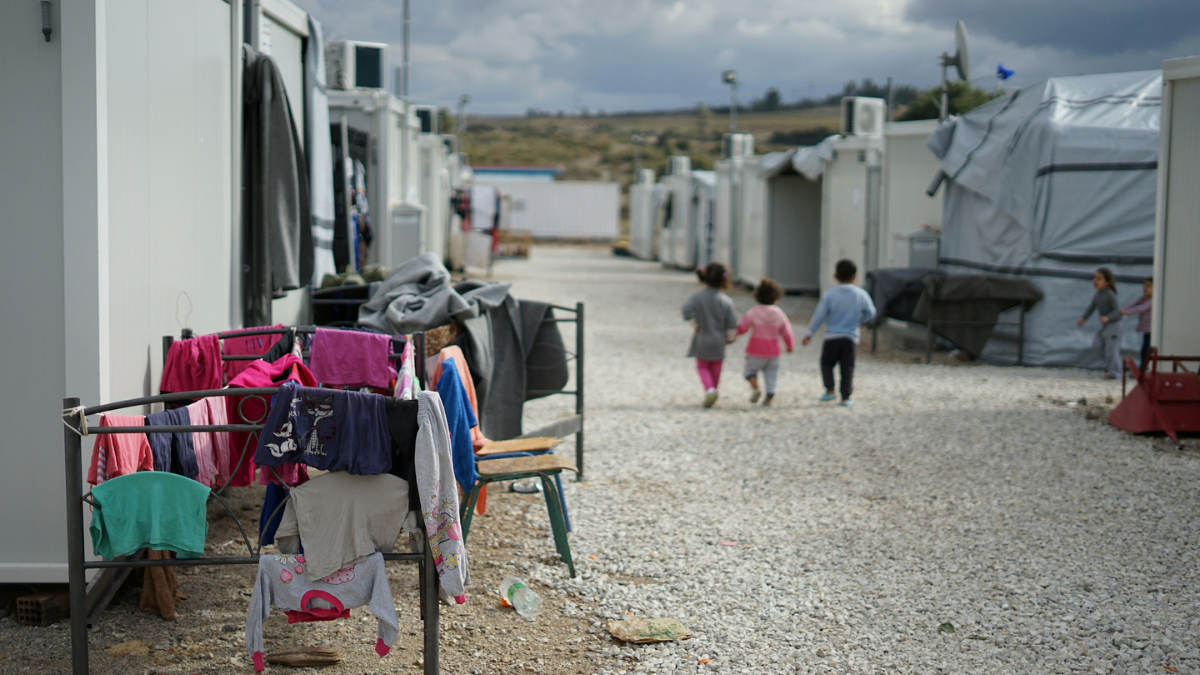
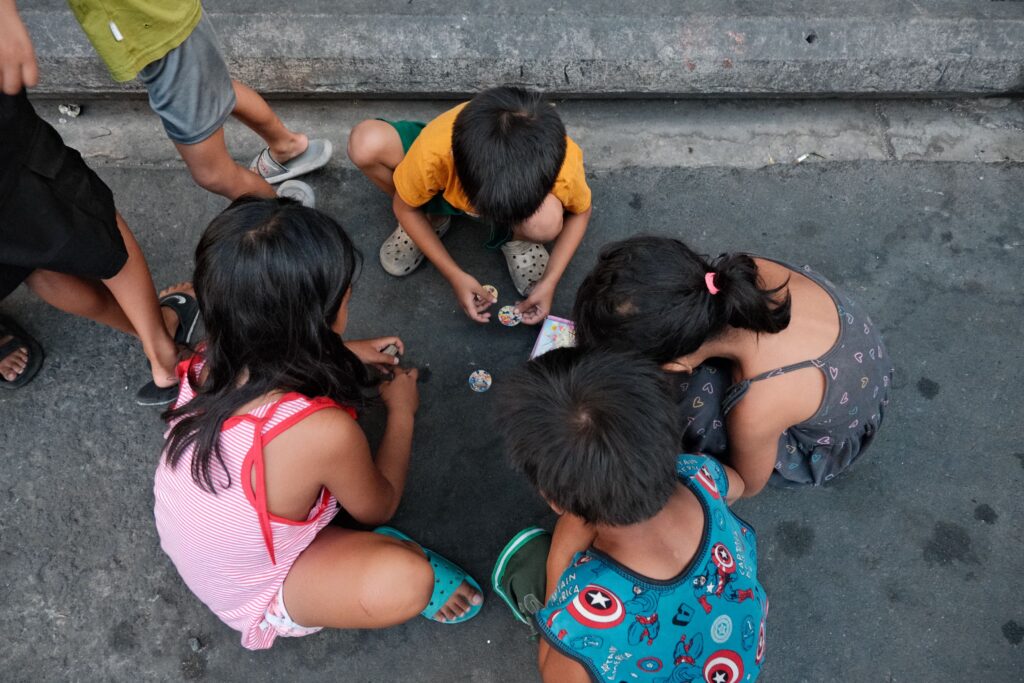
● Lack of Safe, Accessible Spaces — In low-income communities, playgrounds are either unsafe, poorly maintained or non-existent. In fact, UNICEF notes that children in low‑income urban housing areas often play and socialise in overcrowded or hazardous environments, undermining both their safety and development.
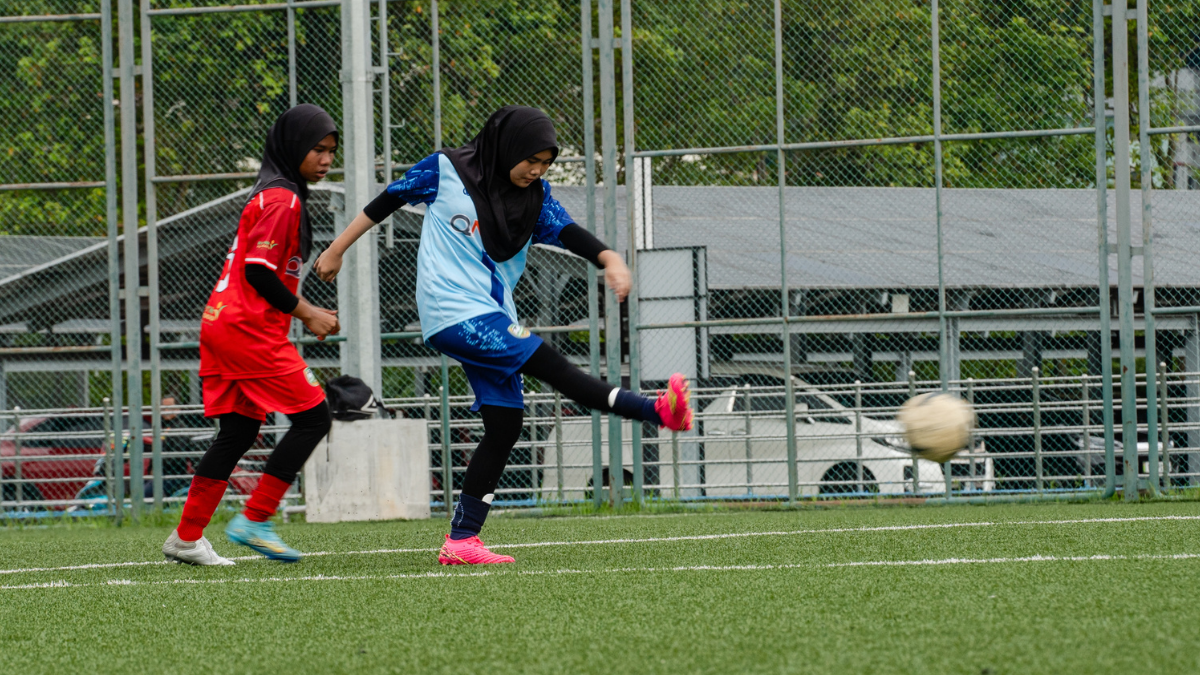
● Gender Inequality in Sports — According to the Women’s Sports Foundation, girls drop out of sports at twice the rate of boys by age 14, largely due to cultural norms, safety concerns, and limited access to supportive environments. This not only limits their participation but also reduces opportunities to build confidence, leadership and lifelong wellbeing.
● Exclusion of Neurodiverse and Special Needs Children — A World Health Organization study reveals that children with autism, ADHD and other developmental disabilities or differences are often excluded from mainstream play environments. This is due to a lack of sensory-friendly spaces, adaptive equipment and trained educators to support their participation.
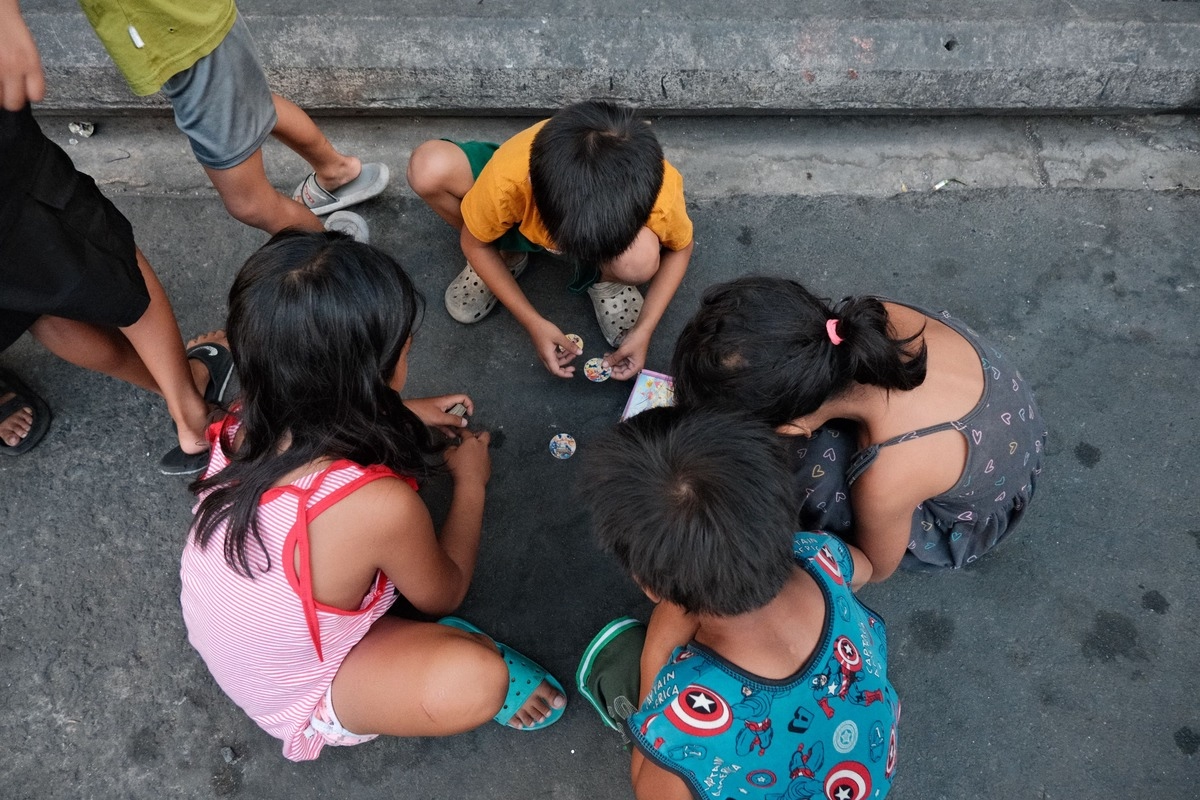
● Cultural Erosion and Loss of Traditional Play — Along with traditional arts and crafts, urbanisation and lifestyle changes have led to the rapid disappearance of communal play practices and traditional games. In some communities, this decline disconnects children from their heritage and reduces opportunities for intergenerational bonding.
How Inclusive Play Supports Child Development
Addressing these barriers requires more than awareness. It calls for practical solutions that create opportunities for children from different backgrounds and with different abilities to participate and thrive.
In Malaysia, RYTHM Foundation is working alongside families, educators, and local communities to expand access to meaningful, inclusive play.
● Opening Doors Through Sports for Girls and Boys
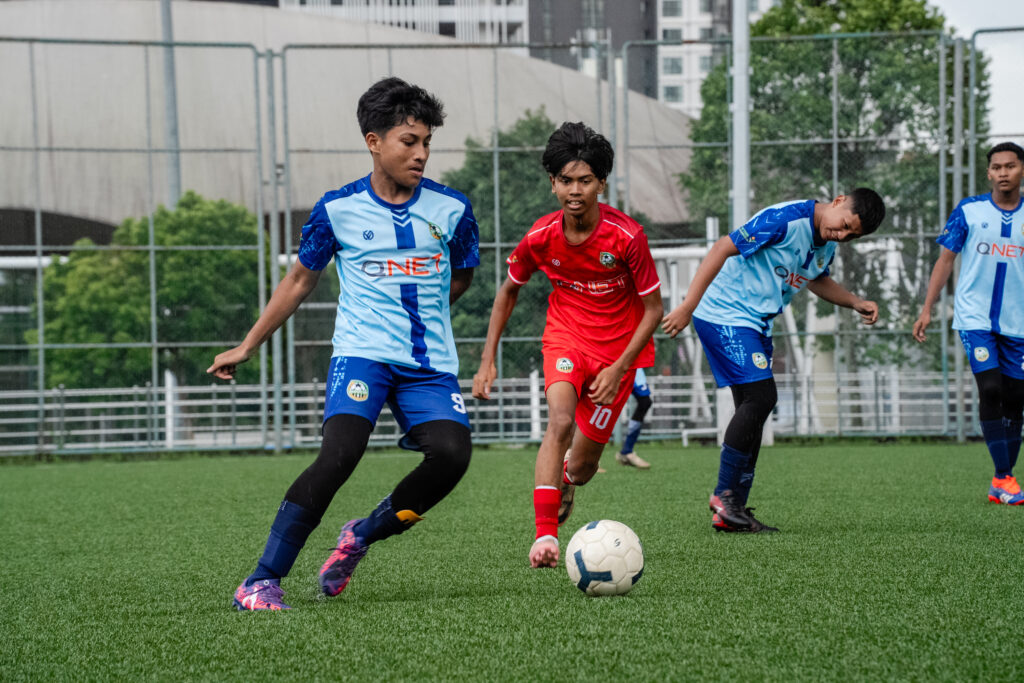
For children from lower-income backgrounds, organised sports can be especially beneficial in providing opportunities beyond the playing pitch. This is the idea behind the Jaguh RF initiative, which uses football to support adolescents from B40 families.
Beyond football training, friendly matches and tournaments, the programme combines coaching with mentorship and life-skills development to nurture discipline, teamwork, resilience and confidence. Importantly, girls’ teams participate alongside boys’ teams, ensuring equal access to sporting opportunities.
● Creating Spaces for Neurodiverse Learners
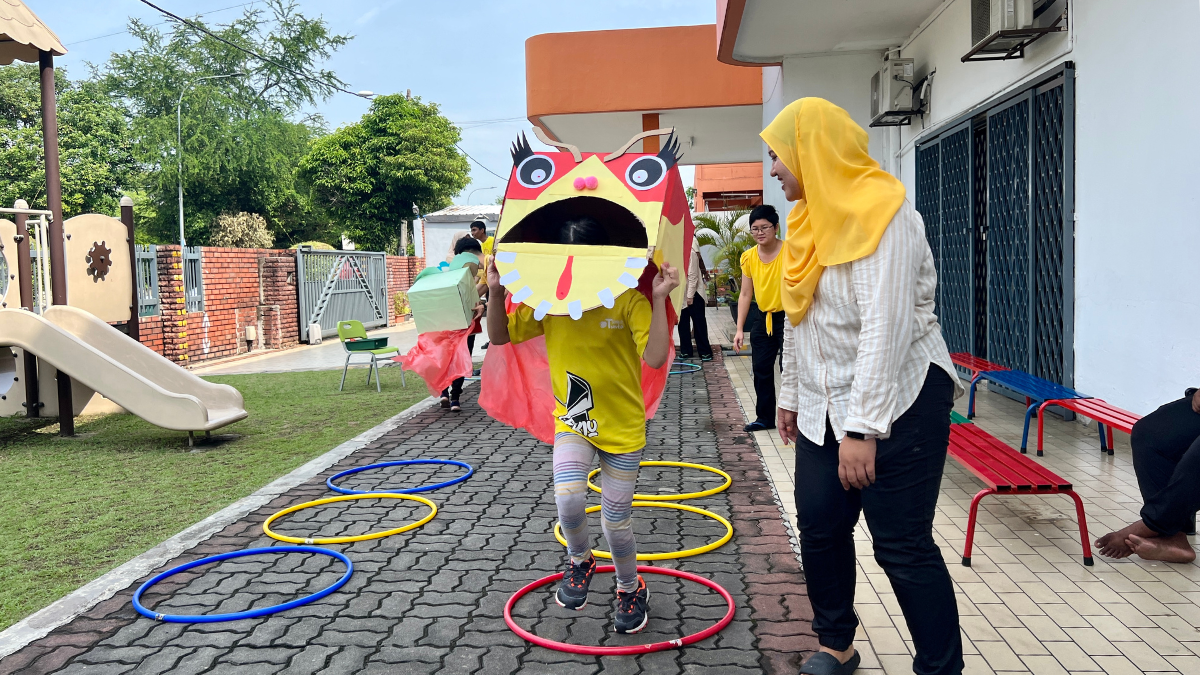
Inclusive play also means that even children with developmental differences can participate fully. This is why, alongside personalised education, RYTHM Foundation’s centre for children with developmental challenges, Taarana Special Needs Education Centre, recognises that movement and play are essential for neurodiverse learners.
Established in 2011, the centre integrates tailored physical activities into its curriculum. It also offers purpose‑built sensory rooms, life‑skills spaces, and adaptive play areas that allow children with autism, ADHD, Down syndrome, and other developmental differences to explore, express themselves, and grow in ways that suit their individual needs.
● Preserving Culture Through Play
Play also helps preserve cultural identify and strengthen community bonds. Through the Community Adoption Programme (CAP) in the state of Johor, RYTHM Foundation has worked with the Orang Asli Jakun community of Kampung Bukit Panjang to revive traditions that once anchored communal life.
Games like Kercang and the rhythmic Sewang dance, for instance, were reintroduced to nurture not only play, but also storytelling and identity. By engaging the younger generation, these traditions continue to strengthen cultural identity while preserving community heritage for the future.

Protecting Childhood Through Equal Access to Play
Ultimately, play is not a privilege, but a pathway to healthier childhoods, greater inclusion, and equal opportunity.
To truly protect play and protect childhood, we must not only invest in well-maintained public playgrounds, accessible sports facilities and sensory-friendly play environments, but also focus on community‑led programmes and supportive policies.
Investing in places where children can learn, laugh and grow is ultimately an investment in stronger communities and a more inclusive future.
Frequently Asked Questions
Why is play important for child development? Play helps children build language, social, problem-solving, and emotional regulation skills. It supports cognitive growth, confidence and identity, making it a foundation for healthy development and lifelong learning rather than just a leisure activity.
What is the International Day of Play? The International Day of Play is a United Nations–designated observance held every June 11. It recognises play as a fundamental right of every child and raises awareness of the unequal access many children face.
What barriers keep children from accessing play? Common barriers include unsafe or non-existent playgrounds in low-income areas, cultural norms that push girls out of sports, a lack of sensory-friendly spaces for neurodiverse children, and the erosion of traditional games due to urbanisation.
How is RYTHM Foundation expanding access to play in Malaysia? RYTHM Foundation runs the Jaguh RF football programme for adolescents from B40 families, operates Taarana Special Needs Education Centre with adaptive play spaces for neurodiverse learners, and partners with Orang Asli communities through its Community Adoption Programme to revive traditional games like Kercang and Sewang.