

Many indigenous communities around the world are likely losing languages, traditions, and stories faster than they can be passed down, making indigenous language preservation a pressing need. Modernisation pulls young people into urban spaces. Elders with oral histories grow fewer. Some governments overlook minority cultures. Economic pressures push families toward dominant languages. And in that mix, whole worlds of knowledge fade, unheard and unrecorded.
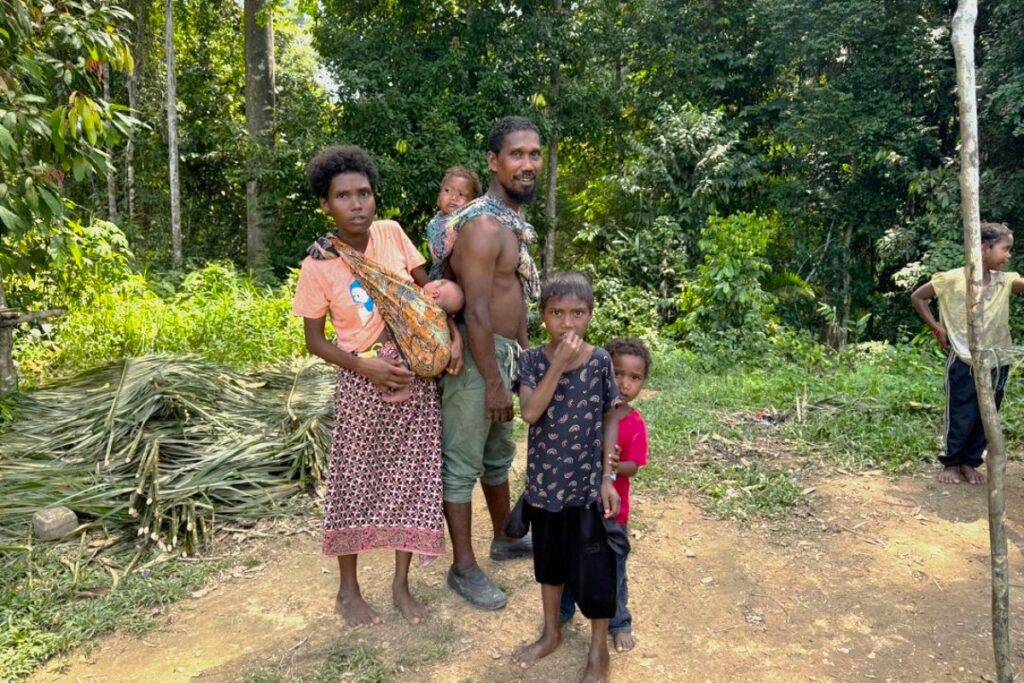
Yet there are places where the pattern hasn’t played out the same way. In the dense rainforest of the Taman Negara national park in Pahang, Malaysia, several Orang Asli Bateq communities have preserved much of their oral traditions. Their remote way of life close to the land still gives their stories room to breathe, which has slowed the loss many others face.
However, this doesn’t guarantee their survival. Even the Bateq people’s resilient traditions risk fading as the inevitable pressures of modern life continue to creep in.
Indigenous Language Preservation Through Literacy
The Basic Readers for Indigenous Children (BRIC) project, commissioned earlier this year by RYTHM Foundation, was designed to meet that challenge head-on. The 20-month effort is the first attempt to produce written learning materials primarily in the Bateq language. The goal is simple yet far-reaching: help children read while giving the community a way to protect its identity.
Longstanding RYTHM collaborator and researcher, Associate Prof (Rtd) Datin Dr Thilagavathi Shanmuganathan, is leading the initiative with her team, engaging elders, parents, and children to record stories and translate them with care and respect.
Five early-reader books have already emerged from these sessions, each shaped by daily life and by old oral traditions. They also appear in Bahasa Malaysia and simple English and are accompanied by audio so children can hear the rhythm and shape of their own words. Teachers and volunteers receive a guidebook with activities that preserve cultural roots.
“By putting their stories into print and audio, the Bateq people can keep their language alive for generations. That impact speaks for itself,” said Shreevidya Anandan, Deputy Head of RYTHM Foundation. “For the Foundation, supporting efforts that preserve indigenous culture and identity is the work that truly counts.”
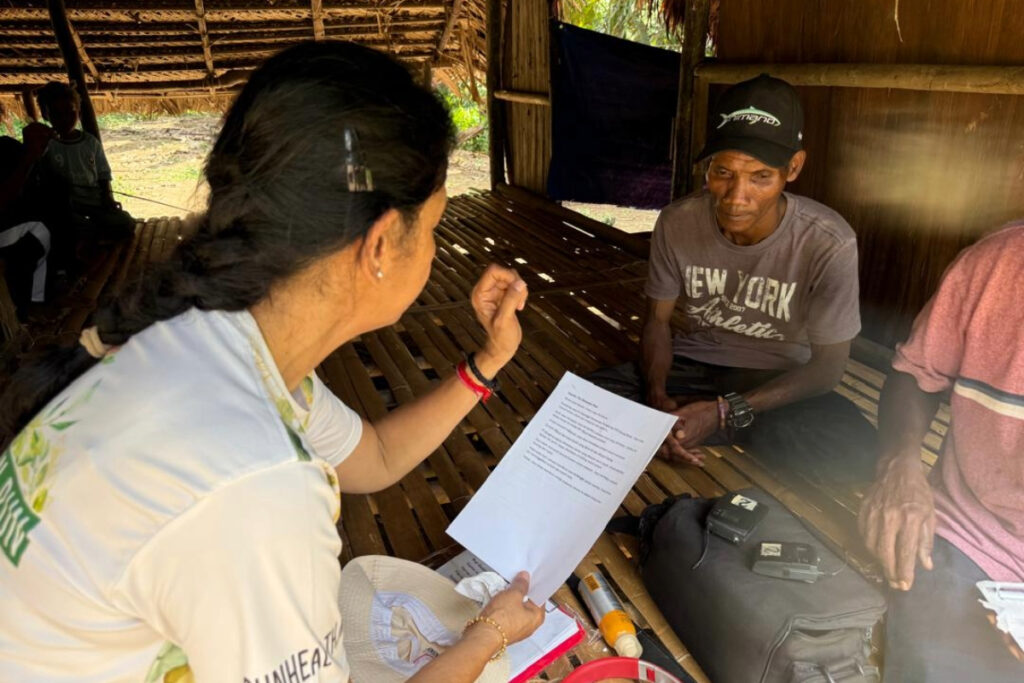
Strengthening Bateq Language Preservation
The project covers several villages in and around the national park and the neighbouring Jerantut district, ensuring a broader impact across the communities. The villages are Kampung Bukit Gam, Jeram Aur, Jeram Dedari, Sungai Yong, Kuala Atok, and Sungai Keniam.
A seven-phase plan keeps the work moving, with the early months spent meeting communities and mapping out themes. This was followed by long hours of story development, recording sessions, and gathering photos and videos.
The team is currently deep in translation work, building an orthography and phonetic manual, and compiling a glossary of Bateq terms. Pilot testing with children and tutors is scheduled for early 2026; the researchers have recorded over two hours of audio and transcribed over 20,000 words.
By the end of the project, the team aims to release five storybooks with audio, improve early literacy, and strengthen the link between educators and the community. They also hope it sparks wider recognition of Bateq culture.
“The books aren’t only tools for reading. They are a way to guard a living tradition and remind the Bateq children where they come from,” added Shreevidya.
Part of a Wider Commitment
The BRIC initiative builds on RYTHM’s wider work with the Bateq, including community development and the creation of Sekulah Bateq in Kampung Kuala Atok through our Community Adoption Programme in 2022. The temporary school was set up to help children close literacy and numeracy gaps, with an initial group graduating into a mainstream primary school within less than a year.
The BRIC project advances the effort by linking literacy support to a targeted plan to record, document, and preserve the community’s language and cultural knowledge.