
Access to sports for underserved youth is often discussed in terms of physical health, but its deeper value lies in social connection, dignity, and opportunity. For young people facing economic hardship, disability, or social exclusion, sports offer a rare environment where ability is nurtured, identity is affirmed, and confidence is rebuilt.
Yet access remains uneven. Cost, infrastructure gaps, stigmas, and lack of trained support frequently prevent young people — especially those with disabilities — from participating at all. Addressing these barriers requires more than just funding; it requires local insight, patience, and collaboration.
Evidence increasingly supports this approach. A 2022 study published in Frontiers in Sports and Active Living found that sport-based positive youth development programmes significantly improve social skills and emotional regulation and sustain engagement among youth from socially vulnerable backgrounds, particularly when programmes are embedded in consistent after-school settings and supported by trusted mentors.
The research, What Keeps Kids Coming Back? Retention in a Sport-Based PYD Programme, emphasises that young people are more likely to stay engaged when sports are paired with a sense of belonging and personal support rather than performance pressure.
Similarly, UNICEF’s global evidence review Getting into the Game highlights sport as a powerful tool for inclusion and youth empowerment when programmes are intentionally designed for marginalised groups.
The report documents how inclusive sports initiatives — particularly those serving youth with disabilities and those from low-income communities — contribute to higher self-esteem, stronger peer relationships, and improved community attitudes, while cautioning that impact depends on local ownership and accessibility rather than scale alone.
Community-led Approaches That Work
RYTHM Foundation’s engagement in sports for underserved youth takes different forms depending on context — ranging from directly developed programmes to partnerships with community-based organisations. What remains consistent is an emphasis on responding to local realities rather than applying one-size-fits-all models.
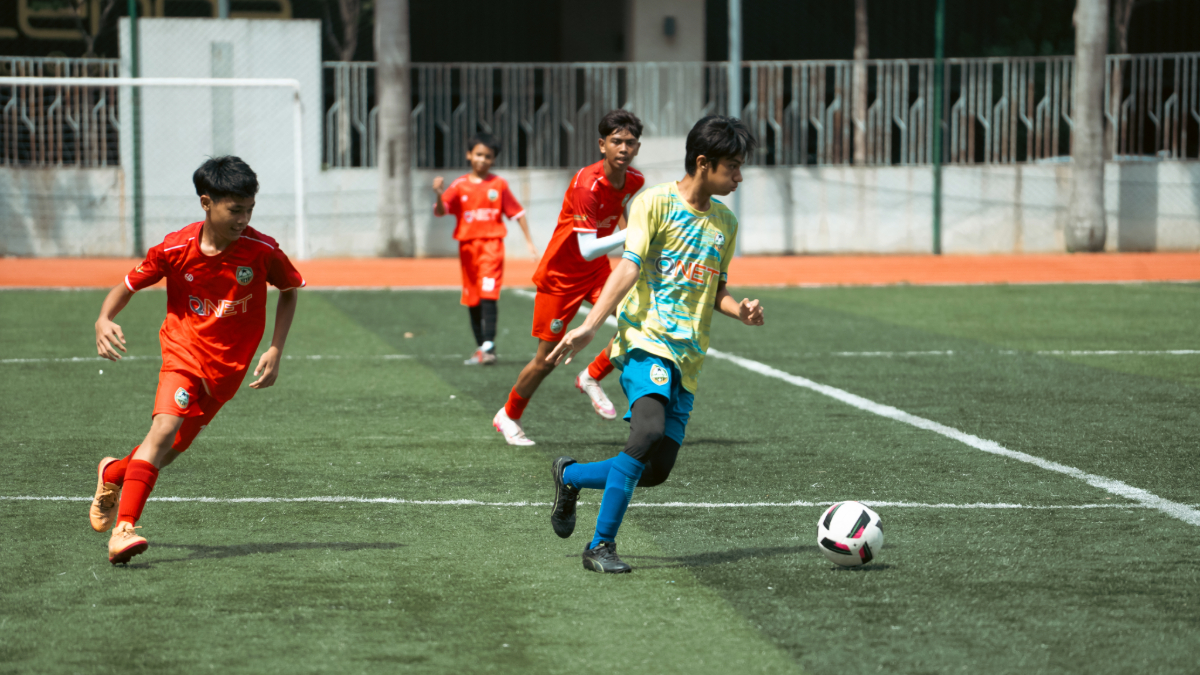
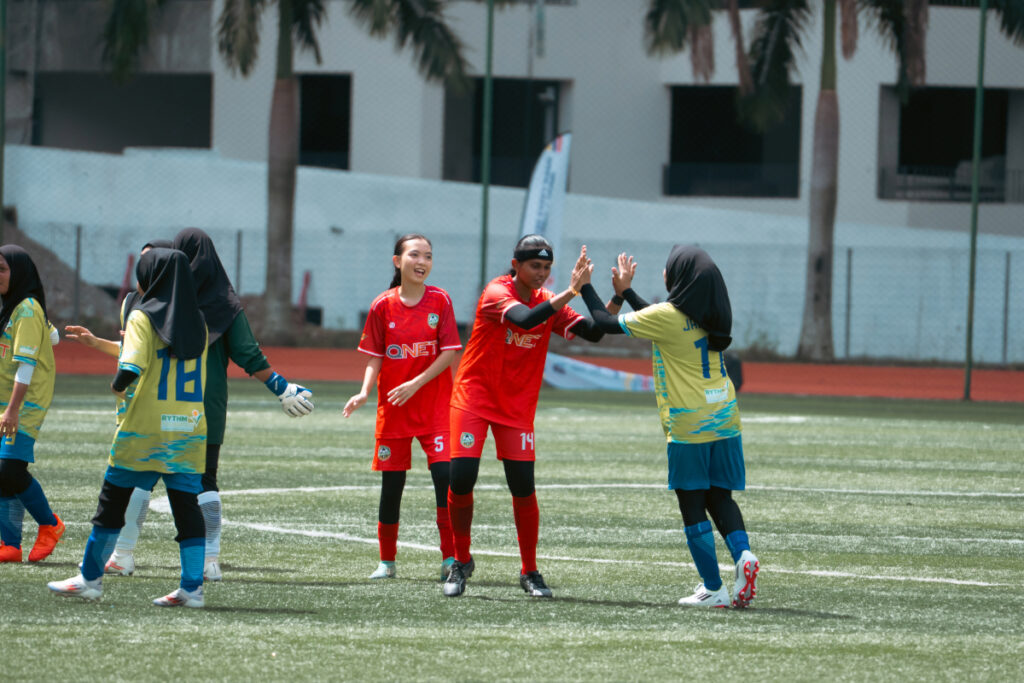
An example is the Jaguh RF (RF Champion) football programme in Malaysia. Working with several national schools attended by students from underserved communities in Kuala Lumpur, Jaguh RF uses football as a structured after-school initiative that combines physical activity with mentorship and life-skills development.
Sessions offer routine, safe spaces, trusted adult guidance, and healthy competitions — elements shown by research to be critical for sustained youth engagement. Coaches prioritise discipline, teamwork, and responsibility, creating an environment where the young participants feel supported both on and off the field.
Inclusion in Practice: Disabled Youth and Sports in Ghana
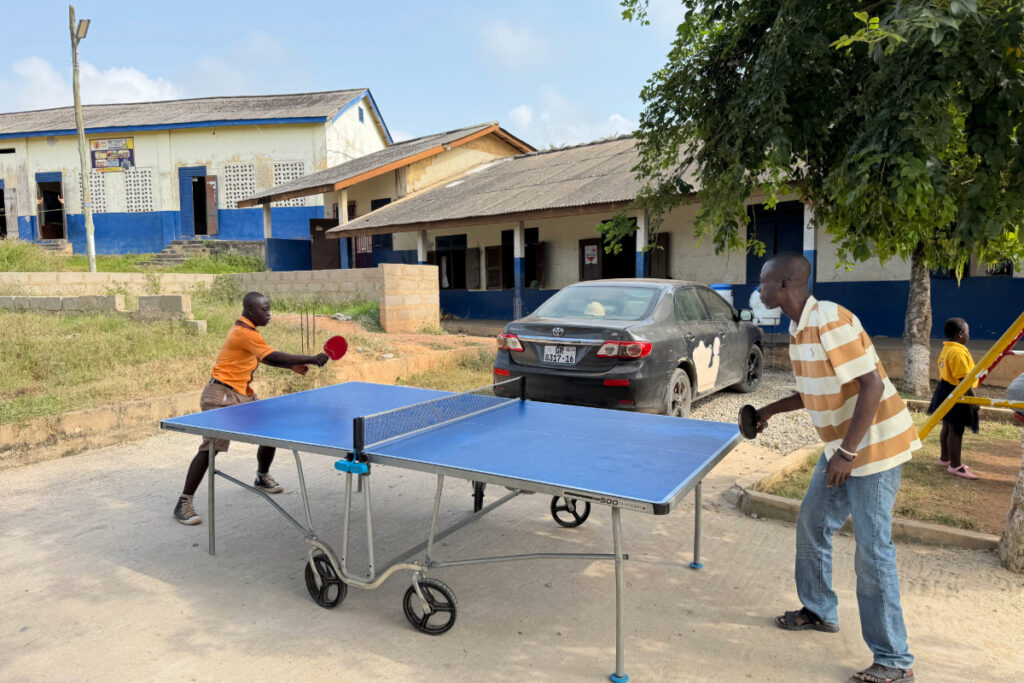
In Ghana, RYTHM supports an initiative that expands access to sports for children and youth with disabilities — an area where exclusion is often driven by stigma as much as infrastructure. Many young people with disabilities face limited opportunities for participation in both education and recreation.
Through our partnership with The ANOPA Project in Cape Coast and Accra, sports programmes have been adapted to ensure accessibility and inclusion. Activities prioritise participation, confidence-building, and social interaction rather than competition. For many participants, this represents their first experience of being part of an organised group activity where their abilities are recognised.
Consistent with global evidence, these initiatives also engage families and community members, helping shift perceptions around disability and reinforce the idea that inclusive sports environments strengthen communities as a whole.
Addressing Barriers, Not Just Outcomes
What links these examples is a focus on removing barriers to access, not chasing outcomes. Safe spaces, trained mentors, adaptive facilities, and community trust matter as much as sports themselves. Research and practice show sports programmes work best when they sit within broader youth development ecosystems.
RYTHM’s role has been to support this integrated approach, where sports contribute to education, wellbeing, and social inclusion without being treated as a standalone solution.
Sports alone cannot solve systemic inequality. When access is widened and inclusion is intentional, however, they can shape how young people experience opportunity, belonging, and possibility, while reinforcing education systems, strengthening after-school engagement, and supporting long-term youth development.