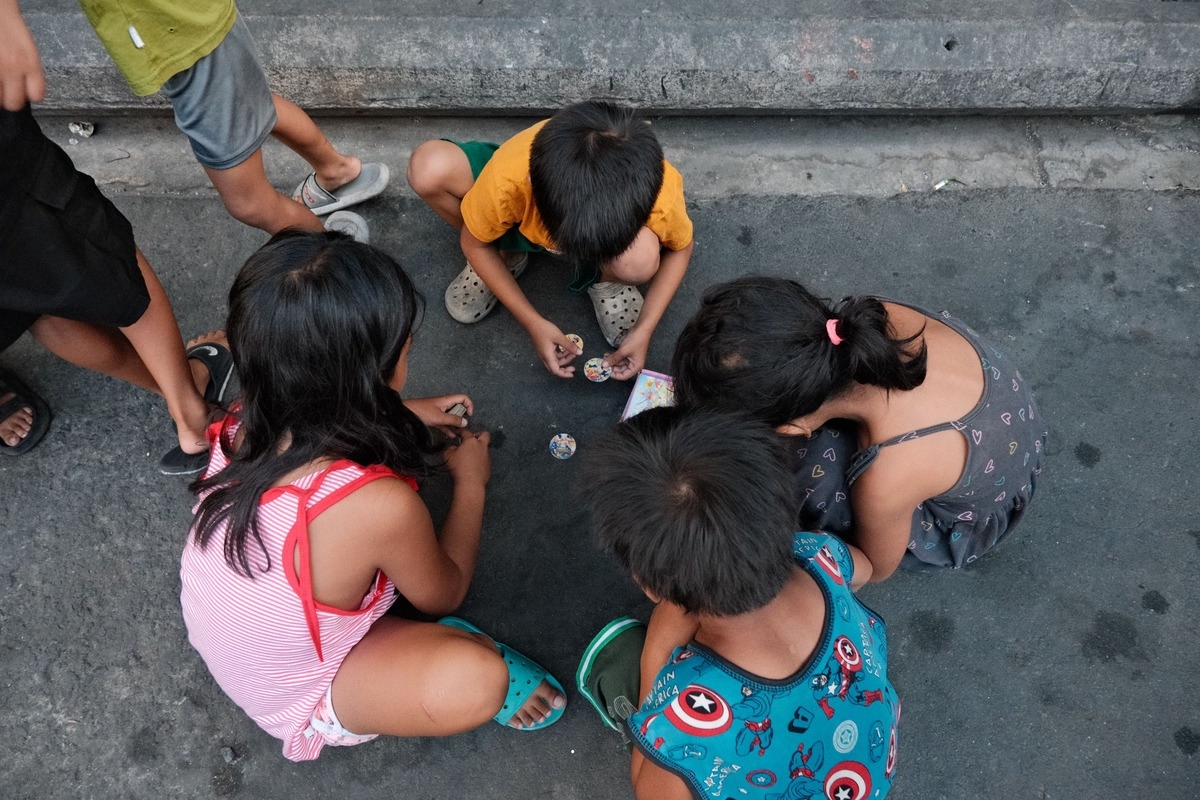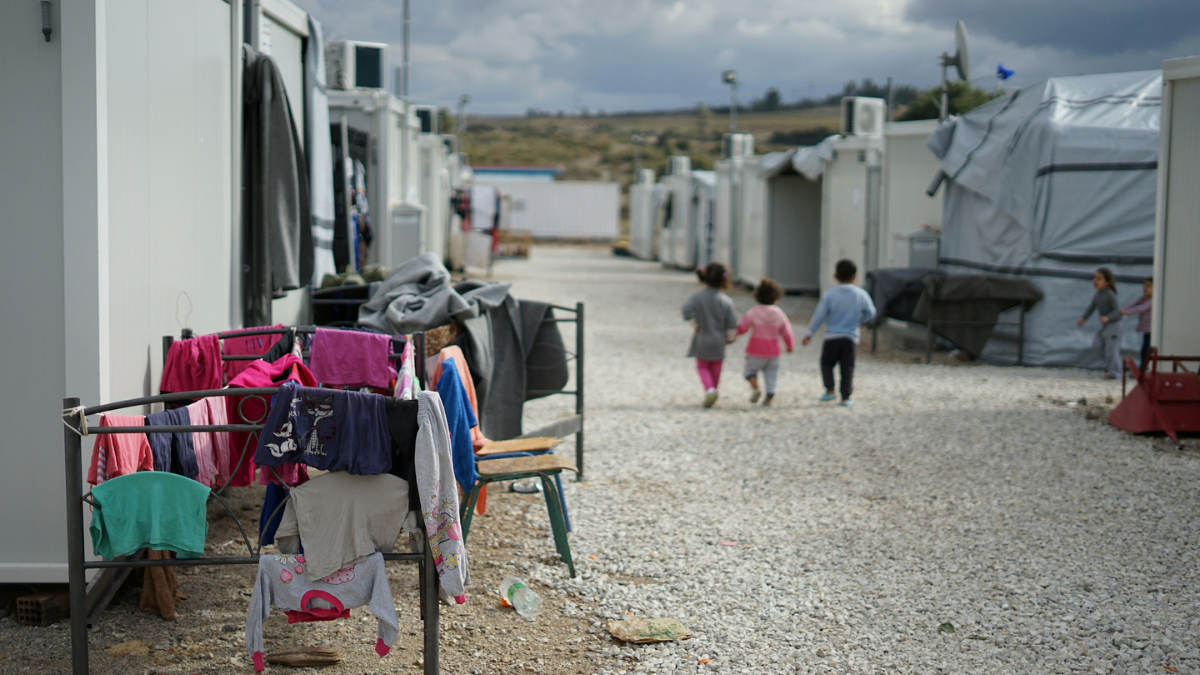
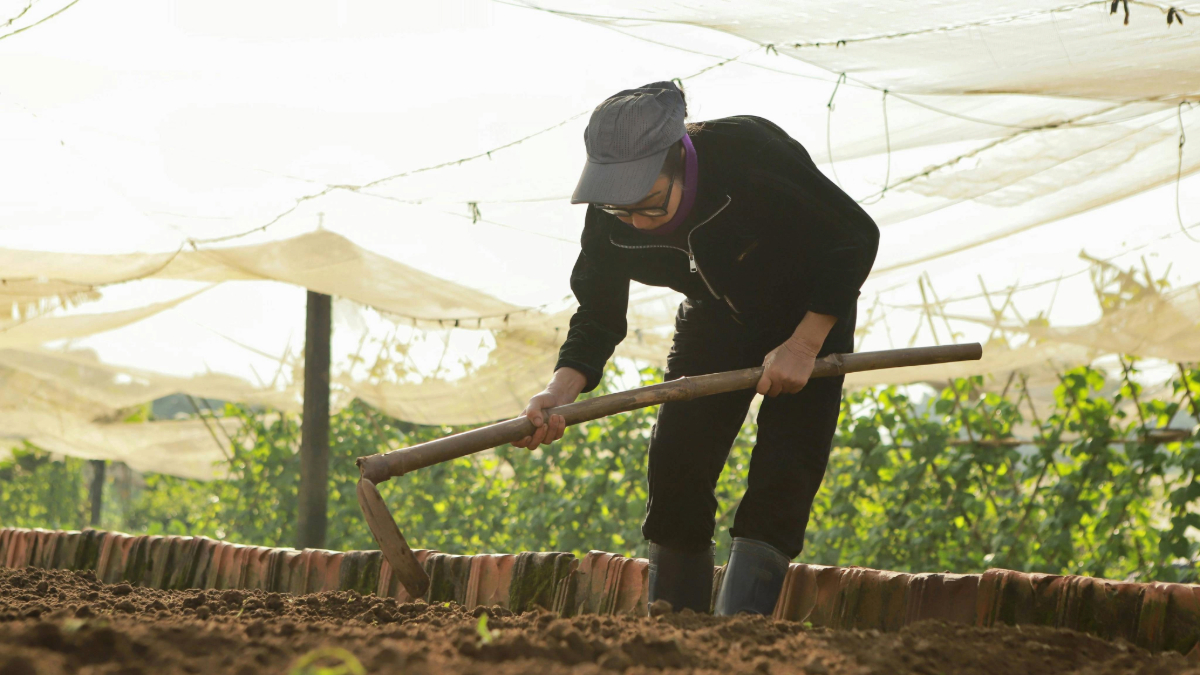

With climate change affecting sustainable food security and water supplies, and global hunger on the rise, addressing food insecurity has never been more important.
The United Nations estimates that with 673 million people experiencing hunger in 2024, the world could soon face an unprecedented food crisis.
For families around the globe, limited access to nutritious, affordable food doesn’t just affect daily meals—it also affects health, education, finances, and long-term well-being. Yes, immediate aid can provide relief. However, it doesn’t break the cycle of poverty.
At RYTHM Foundation, the work starts on the ground, with local partners, shaping practical solutions that families can carry forward on their own.

Strengthening Food Security in India Through Sustainable Mushroom Farming
One of our early initiatives, for instance, focused on training women from low-income backgrounds in Bihar and Jharkhand, India, on sustainable mushroom farming methods.
Mushroom cultivation is particularly well-suited for families with limited land or resources. It requires minimal space, low investment, and short production cycles.
This is why we saw it as a practical and profitable solution for strengthening household income and improving food security.
Through hands-on workshops, participants were taught:
- How to set up small-scale mushroom units
- Techniques for maintaining hygiene and quality
- Ways to process, package, and market their produce
- Basic financial literacy to manage their micro‑enterprises
The results were immediate and encouraging. But most importantly, the initiative—which we developed with India’s Parinaama Development Foundation—achieved its two key objectives: empowering women to generate steady, independent incomes and helping families secure access to nutritious food.
Supporting Food Security in Indonesia Through Climate-Smart Agriculture
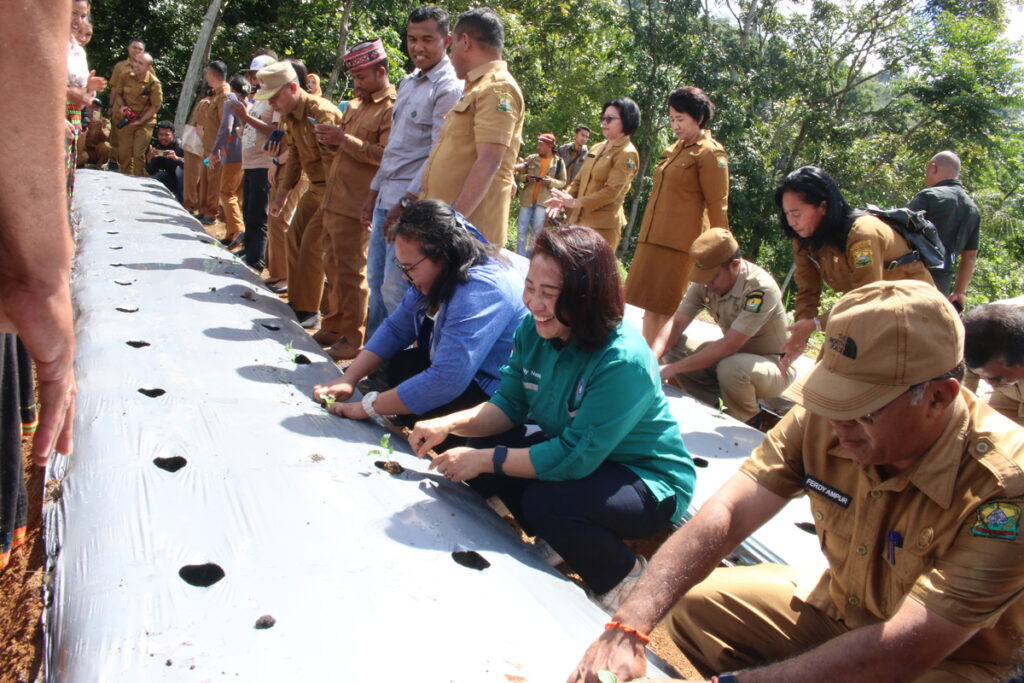
In Indonesia, meanwhile, the Foundation’s partnership with Plan International Indonesia in Manggarai, East Nusa Tenggara, has introduced climate-smart agriculture techniques to promote long-term change.
Agriculture is the backbone of Manggarai’s economy. Over time, however, unsustainable practices have damaged the land, leaving smallholder farmers more exposed to climate shocks and unpredictable weather. Women and young people, too, have lacked access to opportunities in the sector.
Our Green Skills Project is thus geared towards helping young people, women, and smallholder farmers learn how to grow food in productive and environmentally responsible ways. They are taught climate-smart techniques, including composting, soil health management, crop diversification, and efficient water use.
These skills are aimed not only at improving yields but also at helping participants adapt to unpredictable weather conditions, protect natural resources, and build more stable livelihoods.
Why Sustainable Food Solutions Matter
The important thing to remember is that sustainable food solutions do more than to address hunger; they help build stability and independence. Additionally, when families and communities can grow food locally, they rely less on unstable supply chains or external help.
They are also able to work the land more intentionally and responsibly.
This aligns with the United Nations’ State of Food Security and Nutrition in the World 2025 report, which notes how locally led agricultural development improves household food security and income stability. It also aligns with what the Food and Agriculture Organisation of the United Nations highlights: empowering women in agriculture can significantly increase productivity and improve family nutrition outcomes.
Sustainable food solutions are focused on lasting impact rather than short-term relief. And by equipping families with practical skills, whether in mushroom farming or climate-smart agriculture, they can put food on the table and break the cycle of vulnerability.