
How climate change affects marginalised communities is becoming increasingly clear as the global climate crisis intensifies.
Across the world, climate change is not experienced equally. While rising temperatures, floods, and extreme weather affect everyone, it is marginalised communities—from rural farmers to indigenous groups and coastal populations—who face the harshest consequences.
With fewer resources, limited access to support systems, and greater exposure to environmental risks, these communities are often the least prepared to cope with climate shocks.
Yet, despite these challenges, many are leading community-led climate solutions, showing that resilience often begins at the local level.
Why Climate Change Affects Marginalised Communities More
For the record, climate change affects a great many things, including health, infrastructure, and food security. And worse, multiple reports reveal that inequalities both drive and worsen climate impacts.
Understanding how climate change affects marginalised communities requires looking at the structural factors that increase vulnerability:
Greater Exposure to Climate Risks
Many communities live in high-risk areas such as floodplains, coastal zones, and forest regions—places increasingly affected by rising sea levels and extreme weather events.
Limited Access to Resources
Financial support, infrastructure, and climate adaptation tools are often out of reach, making it harder to prepare for or recover from disasters.
Limited Access to Resources
Rural and indigenous communities rely heavily on agriculture, fishing, and forests. When climate patterns shift, these livelihoods become unstable.
Social and Policy Exclusion
Marginalised groups are often excluded from decision-making processes, limiting their ability to influence policies that affect their futures.
Together, these factors show how climate change is deeply connected to inequality—and why inclusive approaches are essential.
Community-Led Climate Solutions Are Driving Change
While the challenges are significant, solutions are emerging from within communities themselves.
Research and global initiatives increasingly show that community-led climate solutions are among the most effective ways to build long-term resilience. Organisations like the United Nations Development Programme (UNDP) and the World Resources Institute (WRI) work directly with local communities to co-create sustainable strategies.
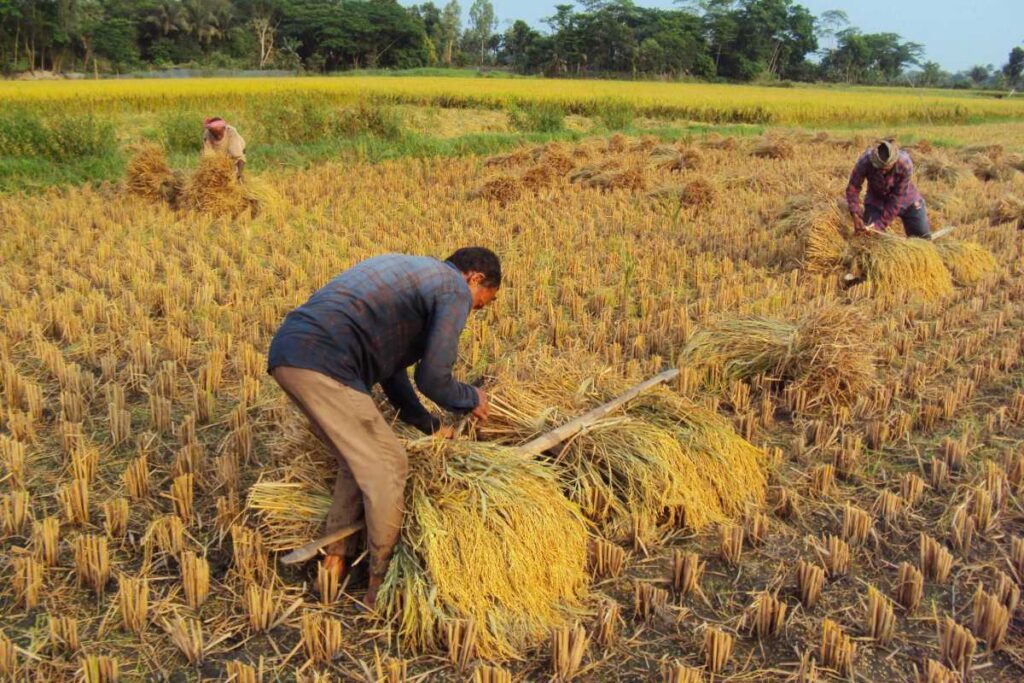
In Niger’s Sahel region, farmers are restoring degraded land using practical, locally driven techniques such as:
- zai pits to capture rainwater
- half-moon water catchments to retain soil moisture
- natural regeneration to restore vegetation
These approaches demonstrate how local knowledge can transform both ecosystems and livelihoods.
The WRI, meanwhile, strengthens this approach through global advocacy and on-the-ground partnerships.
Similarly, in Bangladesh and Pakistan, communities are working with partners to map risks, improve early warning systems, and access funding—strengthening long-term resilience.
How RYTHM Foundation Supports Climate Resilience
Building on this global momentum, RYTHM Foundation’s climate initiatives focus on empowering communities through sustainable, locally driven solutions.
Climate-Smart Agriculture in Indonesia
In Manggarai, Indonesia, RYTHM Foundation partners with Plan International Indonesia through the Green Skills Project.
This initiative equips farmers with climate-smart agriculture techniques such as:
- soil regeneration and composting
- crop diversification
- water conservation
These practices not only improve environmental sustainability but also strengthen livelihoods, helping communities adapt to changing climate conditions.
Community Empowerment in Malaysia
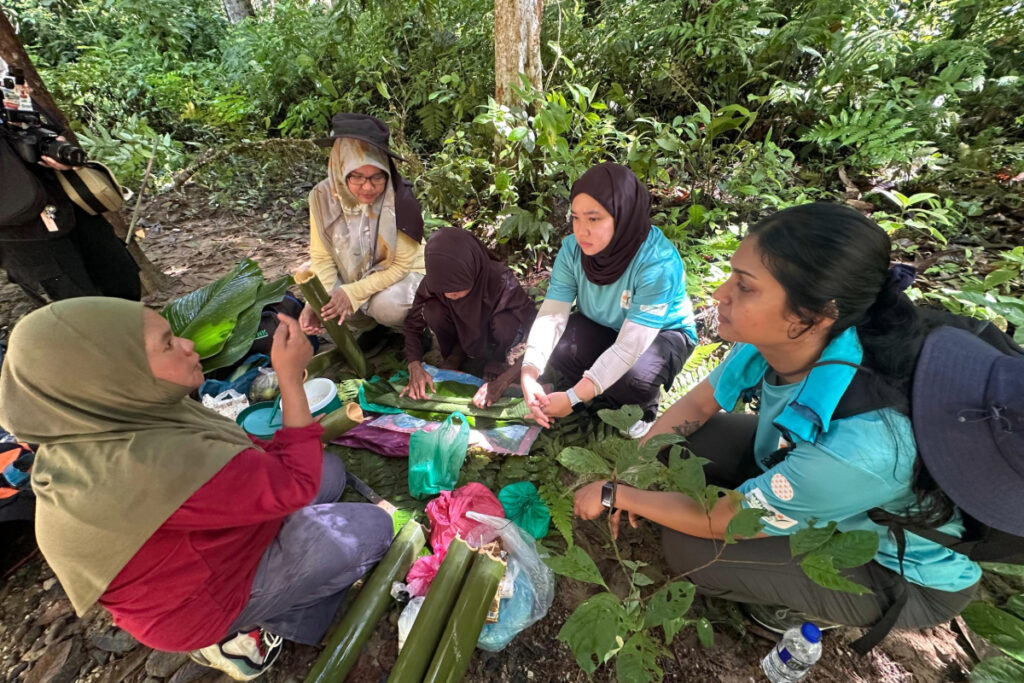
In Baling, Kedah, RYTHM supports a collaboration between Universiti Sains Malaysia and the Orang Asli Kensiu community to develop a model for sustainable eco‑tourism.
By combining indigenous knowledge with modern conservation practices, the initiative helps communities:
- develop eco-tourism
- protect biodiversity
- preserve cultural heritage
More importantly, it builds long-term self-reliance and inclusive development.
A Climate-Resilient Future Starts with Communities
So, how does climate change affect marginalised communities? It exposes deep inequalities—but it also highlights powerful opportunities for change.
Across regions and contexts, one pattern is clear: resilience is strongest when communities lead.
By investing in local knowledge, inclusive partnerships, and sustainable practices, organisations like RYTHM Foundation are helping create a more equitable future.
Because when communities thrive, ecosystems recover. And when ecosystems recover, everyone benefits.
FAQ: How Climate Change Affects Marginalised Communities
Why are marginalised communities most affected by climate change?
They face higher exposure to risks, limited resources, and reduced access to decision-making.
What are community-led climate solutions?
They are locally driven initiatives that use community knowledge to address climate challenges.
How does RYTHM Foundation support climate resilience?
By partnering with communities to implement sustainable practices and build long-term capacity.