


Community advocacy is about individuals using their voices, skills and networks to create positive change where they live and work. Creating meaningful change in society doesn’t require a formal title, specialist expertise or a large platform. Instead, communities evolve when everyday people choose to participate, speak up and contribute to shared progress.
Most importantly, when individuals take small but consistent steps, they help create environments where collaboration and improvement are the norm.
So, if you’re looking to make a difference in your community, these practical guidelines outline how individuals can become effective community advocates.
Step 1: Align Personal Interests and Skills with Your Advocacy Focus
Effective community advocacy begins with small, consistent actions that build trust, foster collaboration, and create long-term social impact. It also starts with self-awareness—aligning your personal interests, strengths, and skills with issues that naturally resonate with you or that you feel strongly about—ensuring your efforts remain authentic, purposeful, and sustainable.
Think about topics that pique your curiosity, inspire you or even trigger frustration, as these may point to areas where commitment is possible. For instance, does inclusive learning and equitable access to education resonate with you? Or are you frustrated that some groups continue to be shackled by gender inequality and poverty?
Reflecting on causes you’ve supported in the past or on groups and communities you feel connected to can also help you choose an advocacy path that feels authentic and sustainable rather than forced.

Step 2: Understand Community Needs Before Acting
Worthwhile change depends on understanding the community needs of the people you want to support. This involves gaining a deeper understanding of the group, including its strengths and struggles.
Consider attending local events, listening to community leaders’ and residents’ views, or reviewing development plans and reports. The goal is to gain insight into the issues that matter most to the people on the ground.
When community advocacy is rooted in lived realities rather than assumptions, your efforts are more likely to be grounded, relevant, and constructive.
Step 3: Participate in Decision-Making Processes
Some individuals prefer to get involved right away. The good news is that communities often offer multiple entry points for participation, from neighbourhood initiatives like clean-up days and fundraisers to community forums and gatherings.
Importantly, no effort is too small in meaningful community engagement.
The case of Bogotá, Colombia’s Ciclovía offers a compelling example. Now a weekly event in which over 100km of road is closed to motorised traffic and opened to cyclists, runners, and walkers, the Ciclovía is recognised globally for improving public health and strengthening social connections. Yet the programme began modestly in 1974, with just a few activists and residents raising concerns about the city’s growing number of vehicles.
Step 4: Build Alliances for Greater Impact
Advocacy is rarely effective in isolation. Progress is more sustainable when individuals work together and draw strength from one another. Once a cause is identified, seeking allies should be the next logical step in creating lasting social change.
According to UN Volunteers and the International Labour Organisation, formal, organisation-based volunteering accounts for roughly 30% of all volunteer work globally. This suggests that while independent action matters, structured organisations—such as non-profits, community groups and schools—help drive greater sustainability.
The Safer Cities for Girls project, implemented in Delhi by RYTHM Foundation and Plan India, demonstrates how a structured approach and collaboration with residents, youth groups, and parents can improve safety awareness, mobility, and support for adolescent girls.
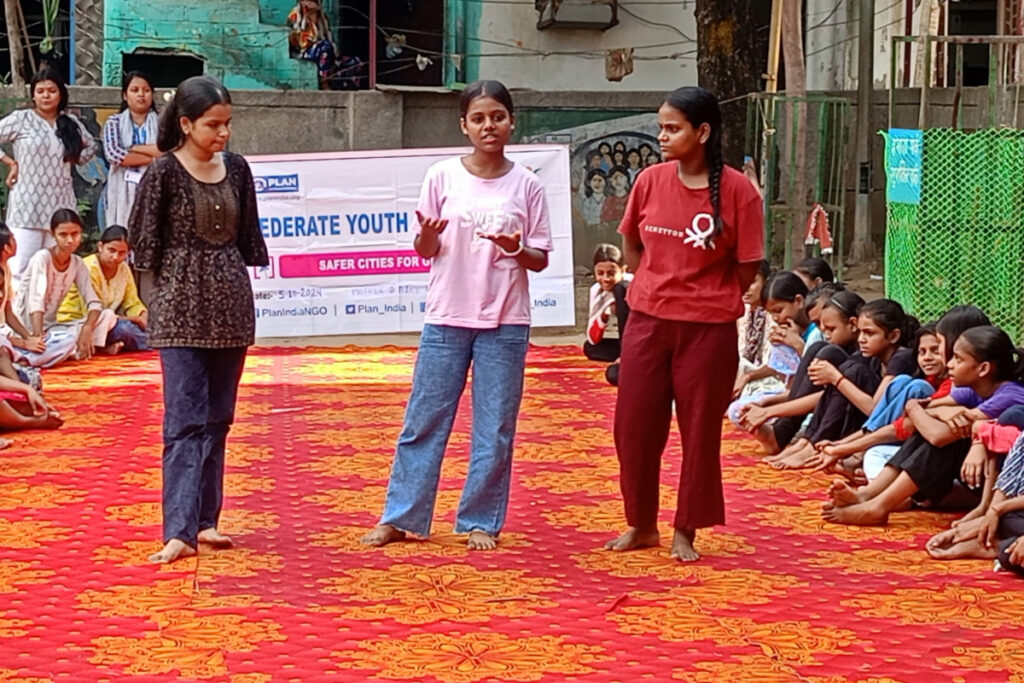
If no existing group aligns with your advocacy intentions, initiating something small can be powerful—whether starting a neighbourhood discussion group or presenting a petition to a local official.
Long-Term Community Advocacy: Change is a Marathon, Not a Sprint
Transformative change takes time. What matters most is sustained engagement and collective effort.
If you are looking for a pathway to take your first steps in community advocacy, RYTHM Foundation’s Volunteer Development Programme offers a space for like-minded individuals to connect and work together to effect change—whether by supporting educational initiatives, empowering the underprivileged, or fostering sustainable development.