Through the generous funding of RYTHM Foundation, and the support of Child’s Dream Foundation, a brand new computer classroom was unveiled at the Zin Nya Kan Baw Za (ZNKBZ) School in Mandalay. The students of the ZNKBZ post-primary monastic school will now have access to a state-of-the art classroom, and the chance to pick up some must-have computer skills.
From Left to Right: Mr. Krishna Kumar, RYTHM Foundation Director Mr. Zaheer Merchant, Child’s Dream Foundation Co-Founder Marc Jenni and RYTHM Foundation Trustee Richard Zinkiewicz with the children of Zin Nya Kan Baw Za School.
The classroom was officially unveiled RYTHM Foundation representatives and representatives from Child’s Dream Foundation. Also present was the venerable U Na Ya Ka, Head of the Phaung Daw Oo (PDO) Monastic Education School and Dr Zaw Win from the Ministry of Social Welfare, Relief & Resettlement.
Zaheer Merchant speaks at the official launch of the computer classroom at the Zin Nya Kan Baw Za School.
In his speech during the opening, Zaheer Merchant said that the Foundation, and especially its Chairperson Umayal Eswaran, share Child’s Dream Foundation’s belief that education and knowledge would enable students in general and from ZNKBZ in particular to make more informed choices in their lives, to find employment and set the foundation for a sustainable life with the hope that they will then in turn give back and help develop as well as uplift their own communities.
RYTHM Foundation funded the setup of the computer classroom, which included improving the insulation in one room, installing an air conditioning unit and equipping the school with 30 computers and a printer. The Foundation further covered the one-year course fees for four teachers to become computer trainers as well as maintenance and running costs of the computer classroom for the first year.
The school had proposed to implement a practical computer class for students from grades five to eleven, since developing computer skills without the means to practice hampers the students’ education and prospects, especially with computer and technological skills being vital for employment in major cities in Myanmar. Establishing the computer classroom enables students to acquire hands-on computer experience, which will increase their chances in the labour market. It also gives the school the ability to manage their data electronically and in turn, students will benefit from an improved learning environment.
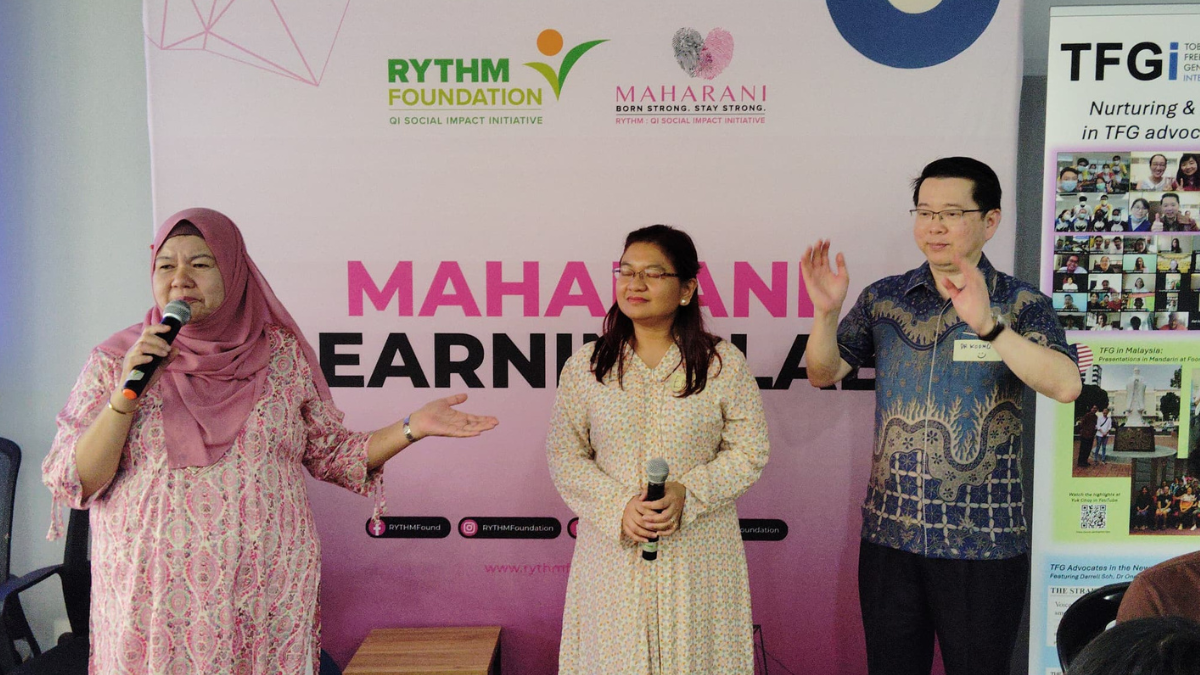
In a proactive step towards nurturing healthier communities and building a tobacco-free future, RYTHM Foundation’s Maharani Learning Lab collaborated with Tobacco-Free Generation International (TFGi) and Children’s Industry, Lifelong Learning and Development Hub (CHILD) to conduct a meaningful educational session aimed...
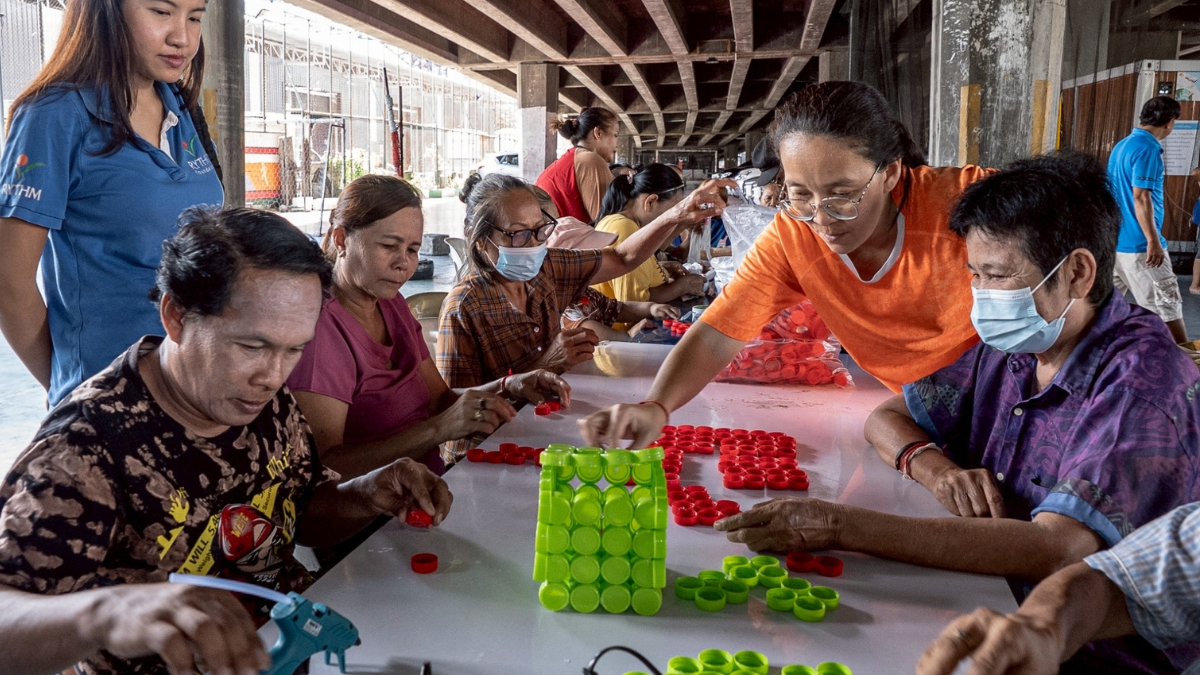
What does it take to foster long-term sustainability in low-income communities? Employees from QI Group Thailand recently shared knowledge and resources for trash management with an underprivileged community in Khlong Toei as part of a commitment to a greener future...
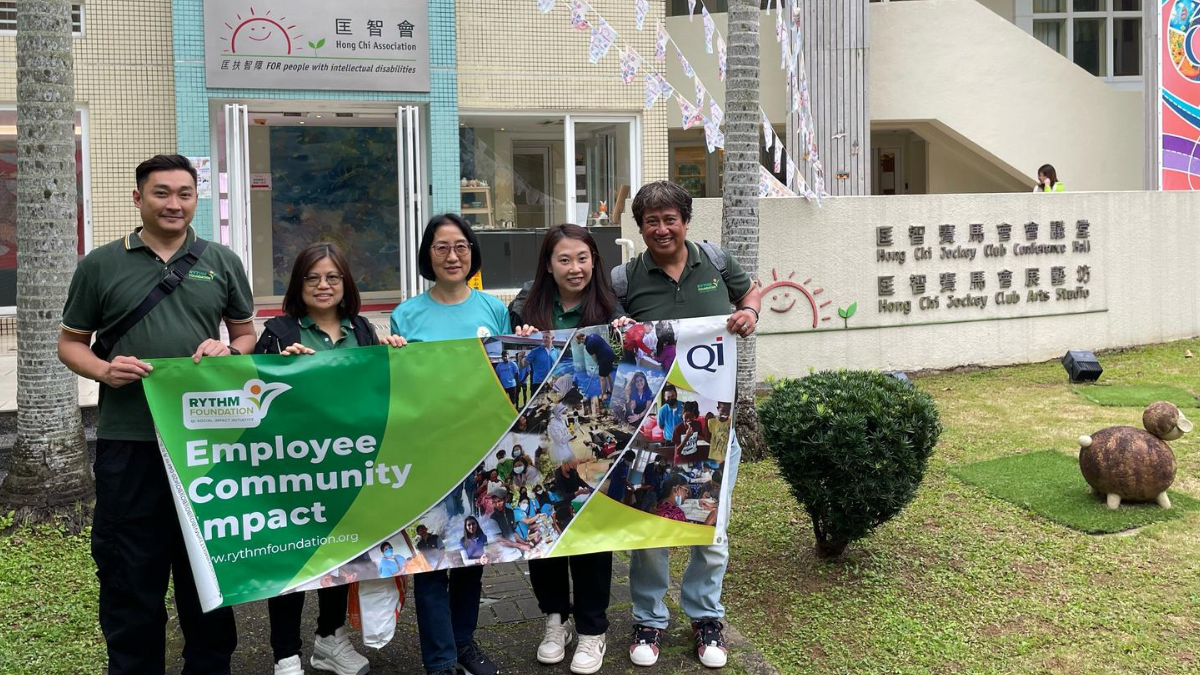
In a vibrant demonstration of community spirit and commitment to social responsibility, QI Group Hong Kong volunteers partnered with the Hong Chi Association for their 60th Anniversary Open Day and Eco Charity Carnival. The event, held on April 12, 2025,...




 RYTHM Foundation funded the setup of the computer classroom, which included improving the insulation in one room, installing an air conditioning unit and equipping the school with 30 computers and a printer. The Foundation further covered the one-year course fees for four teachers to become computer trainers as well as maintenance and running costs of the computer classroom for the first year.
 The school had proposed to implement a practical computer class for students from grades five to eleven, since developing computer skills without the means to practice hampers the students’ education and prospects, especially with computer and technological skills being vital for employment in major cities in Myanmar. Establishing the computer classroom enables students to acquire hands-on computer experience, which will increase their chances in the labour market. It also gives the school the ability to manage their data electronically and in turn, students will benefit from an improved learning environment.