
Sustainable rural development in India remains a complex challenge, particularly in remote and ecologically sensitive regions such as the Garo Hills in the northeast state of Meghalaya. Here, many villages continue to face limited access to basic services, livelihood opportunities, and clean energy solutions.
The project ‘Empowering Remote Communities in Meghalaya,’ which began in March 2025 and will run through January 2027, is RYTHM Foundation’s response to these challenges and reflects a long-term commitment to trusted partnerships and community-led approaches.
The initiative continues RYTHM’s collaboration with its implementing partner, Global Himalayan Expedition (GHE), rooted in shared values and a common vision for inclusive development.
RYTHM and GHE previously worked together across remote regions of India to support access to clean energy, healthcare, and education. These experiences have reinforced a core belief: sustainable rural development in India is most effective when communities are empowered with the skills, infrastructure, and ownership needed to shape their own futures.
Building on this foundation, the current programme focuses on integrated interventions designed to strengthen livelihoods, improve household well-being, and protect fragile ecosystems.
An Integrated Model for Sustainable Rural Development in India
The project is being implemented in the ecologically sensitive foothills of the Nokrek Biosphere Reserve. Its design reflects an integrated development model that addresses interconnected social, economic, and environmental needs through these key pillars of livelihoods, clean energy, and environmental conservation.
The programme supports sustainable eco-tourism and conservation efforts in and around the Citrus Gene Sanctuary, while creating livelihood opportunities aligned with environmental stewardship.
Community-Led Approaches in Ecologically Sensitive Regions
Local participation is central to the project’s design, ensuring interventions are responsive to community priorities and sustainable beyond the project lifecycle.
Together, these pillars contribute to a holistic approach to sustainable rural development in India, grounded in local knowledge and long-term resilience.
Strengthening Women-led Livelihoods
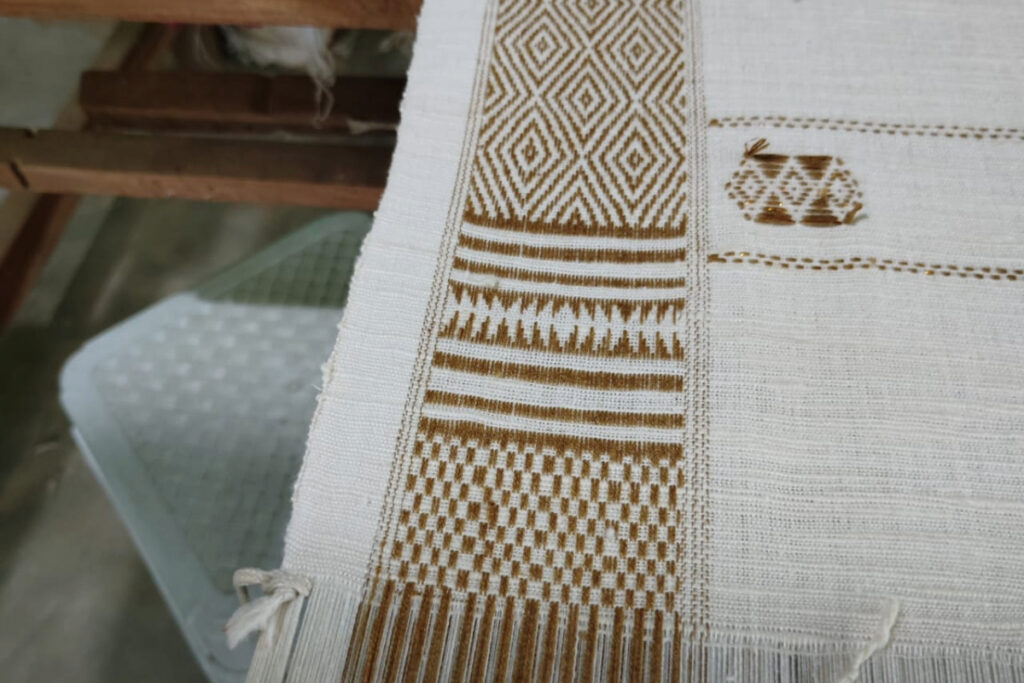
A central component of the initiative is the revival of Eri silk, a traditional, eco-friendly textile that holds deep cultural significance in the region. Women artisans are at the forefront of this effort.
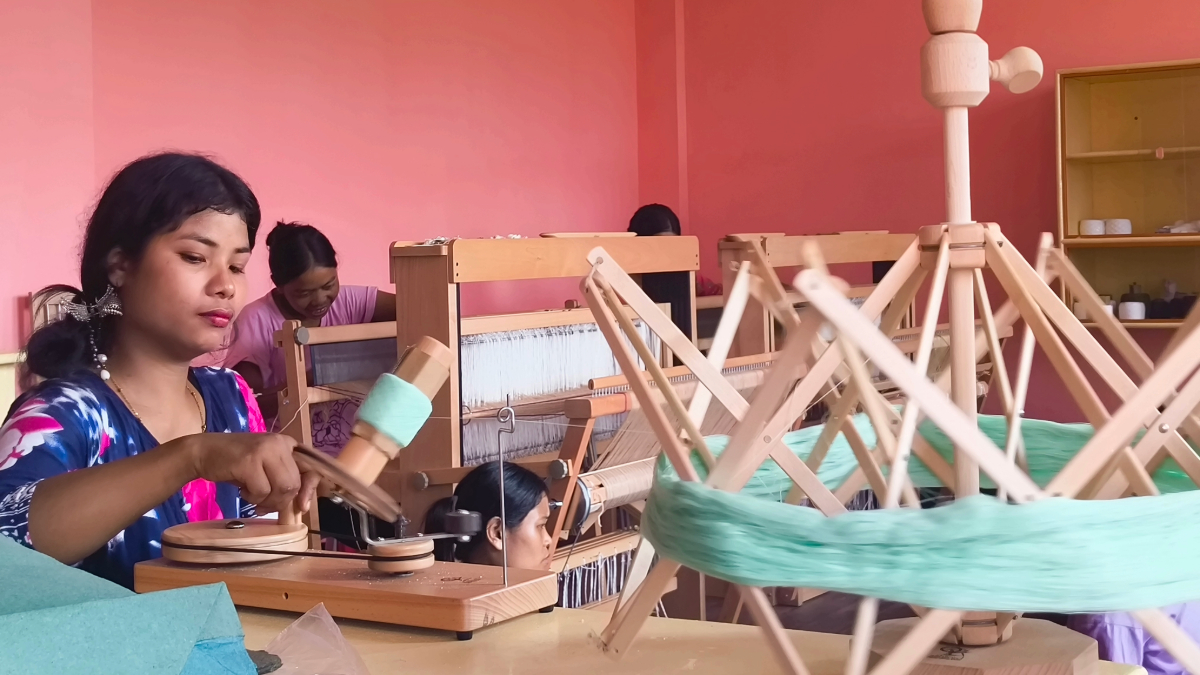
A significant milestone has been the establishment of an Eri Silk Common Facility Centre (CFC), equipped with spinning wheels and handlooms. The centre provides women artisans with access to shared infrastructure and a dedicated production space, enabling consistent, high-quality output.
Over three months, artisans received hands-on training across the complete Eri silk value chain, including cocoon boiling, spinning, dyeing, weaving, finishing, and quality control. As a result, participants have progressed from basic skill development to producing market-ready yarn and textiles.
To ensure knowledge remains within the community, three master trainers underwent advanced training in Chennai and subsequently led local training sessions. This cascading approach has strengthened local capacity and supports sustainable, women-led livelihoods.
Supporting Clean Energy Solutions
In many villages, households have traditionally relied on firewood and biomass fuels for daily cooking. This practice places a significant burden on women, contributes to indoor air pollution, and increases pressure on surrounding forests.
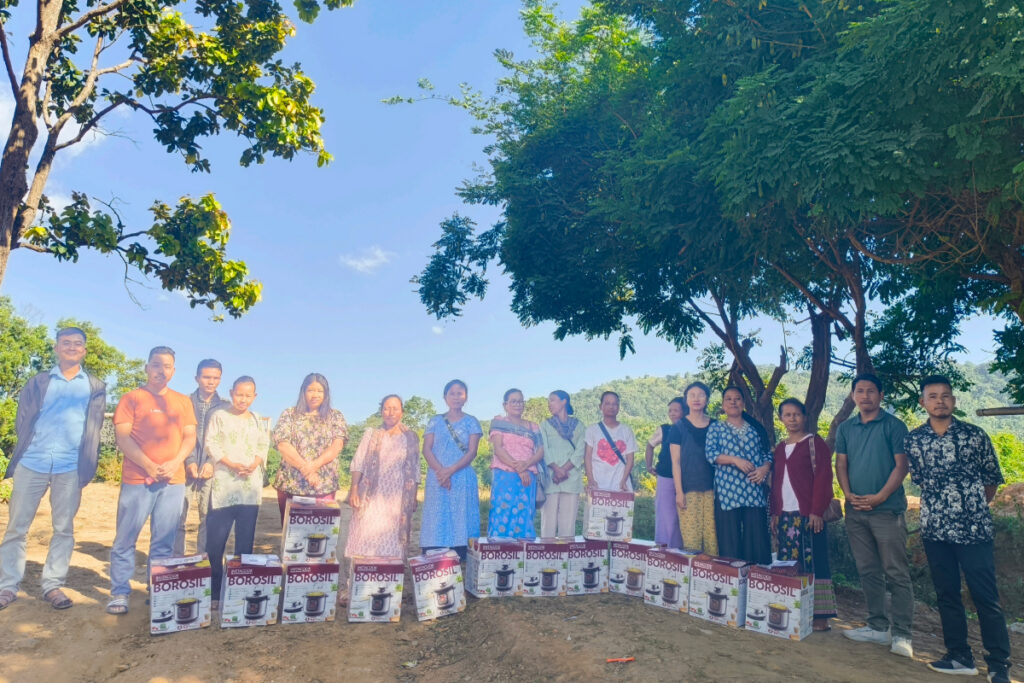
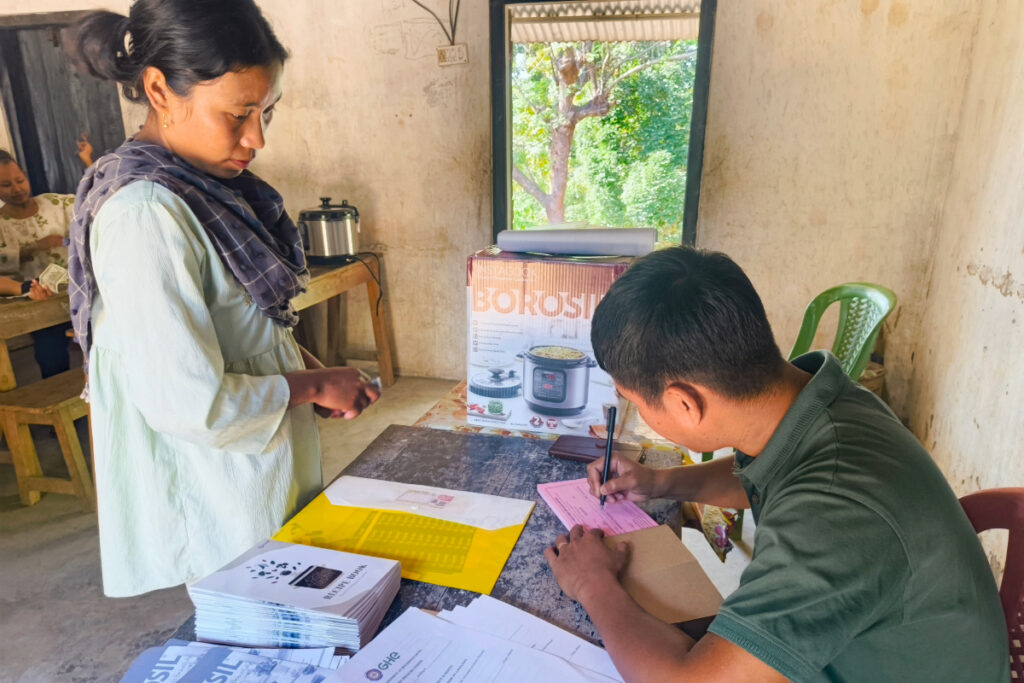
To address these challenges, the project introduced Electric Pressure Cookers (EPCs) powered by reliable energy systems. A total of 100 EPC systems is planned, with 50 already installed across households in Chandigre, Durage, and Waram Songma.
These systems are improving indoor air quality, reducing reliance on firewood, and saving families time. Beneficiary households received hands-on training in system operation, basic maintenance, troubleshooting, and safety protocols, reinforcing the project’s focus on independence and long-term adoption.
Progress and Early Outcomes of Sustainable Rural Development in India
The project is currently in its implementation phase, with early outcomes visible across participating communities. Women artisans are producing Eri silk yarn and textiles; clean cooking systems are improving daily life in village homes; and communities are actively engaged in maintaining the introduced interventions.
As with our earlier initiative, the programme is designed for long-term impact. It reflects a continued commitment to sustainable rural development in India, particularly in regions where development is most challenging and needed.
As the project continues to scale, it carries forward a shared belief: when communities are empowered with the right tools, skills, and trust, they can build a healthier, more resilient, and sustainable future for generations to come.