
Across the globe, sustainable resources in rural communities are proving to be powerful drivers of transformation. From the sun-drenched villages of Africa to the lush highlands of Southeast Asia, these resources — ranging from renewable energy and regenerative agriculture to water conservation — are not only preserving the environment but also unlocking new pathways to economic empowerment and social progress.
As the world grapples with climate change and widening inequality, rural communities — often the most vulnerable to environmental and economic shocks — are embracing green technology and low-carbon solutions to build a better future. These efforts are restoring ecosystems, creating jobs, and improving access to education, healthcare, and clean water.
At RYTHM Foundation, we’ve seen firsthand how sustainable resources in rural communities can uplift lives. Through our partnerships and grassroots initiatives, we are helping communities harness the power of sustainability to create long-term, inclusive growth.
A Global Shift Towards Sustainability
1. Renewable Energy: Powering Progress with Purpose
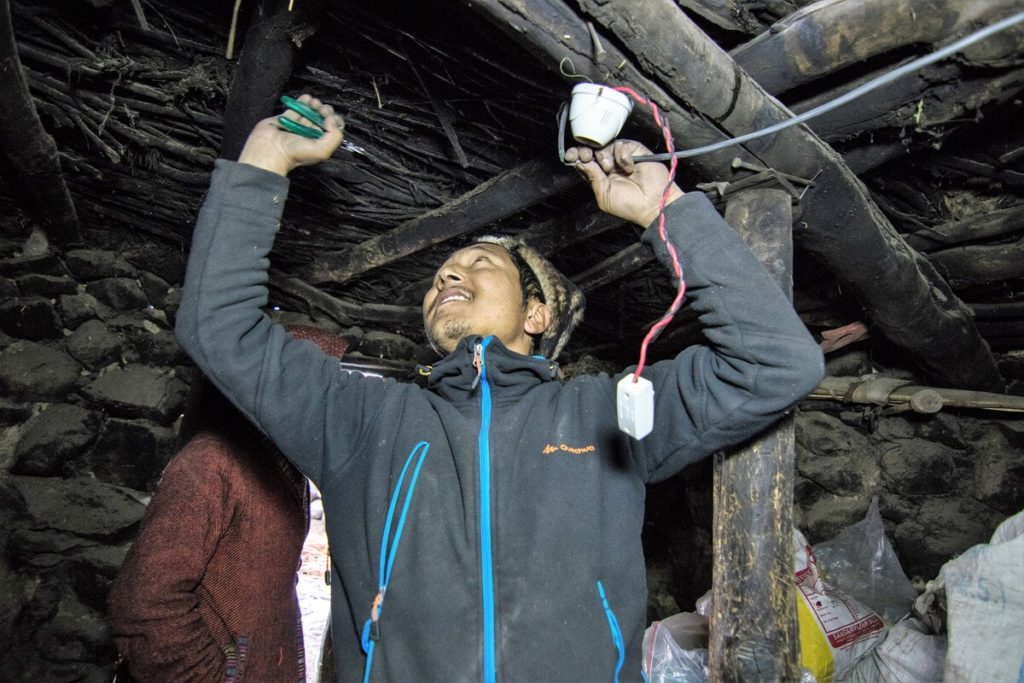
Access to clean, reliable energy is a game-changer for rural areas. Solar panels, micro-hydro systems, and wind turbines are lighting up homes, schools, and clinics in off-grid regions, enabling children to study after dark and healthcare workers to store life-saving medicines.
In the remote hills of Meghalaya, India, RYTHM partnered with Global Himalayan Expedition to bring solar electricity to tribal communities. This initiative not only powered homes but also upgraded healthcare centres, directly benefiting over 23,000 villagers.
Key Impact:
- Improved access to education and healthcare
- Job creation in solar installation and maintenance
- Reduced carbon footprint and air pollution
2. Regenerative Farming: Cultivating Resilience and Income
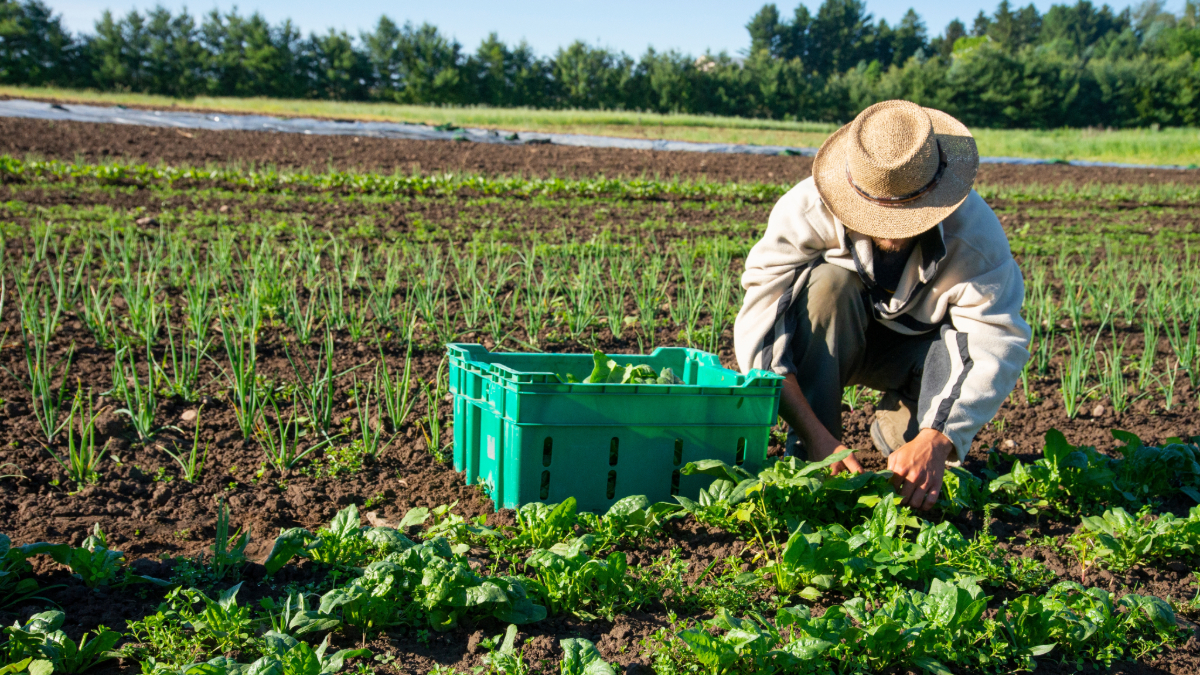
Traditional farming methods often deplete soil health and water resources. Regenerative agriculture flips the script by restoring ecosystems through crop rotation, composting, and agroforestry. These practices increase yields, improve food security, and build climate resilience.
In Manggarai, Indonesia, RYTHM and Plan International launched the Green Skills Project, training 200 youth — 60% women — in climate-smart agriculture. The project empowers young people to lead inclusive, sustainable farming practices while addressing gender inequality and unemployment.
Key Impact:
- Enhanced soil fertility and biodiversity
- Increased household income and food security
- Empowerment of women and youth in agriculture

3. Water Conservation & Eco-Tourism: Two Paths to Sustainable Growth
Clean Water Access in Tanzania
In Tanzania, RYTHM Foundation partnered with Water for Africa to provide clean water to thousands of people in rural communities. The initiative has drastically reduced waterborne diseases and improved daily life for families by installing solar-powered boreholes and community-led water management training.
Key Impact:
- Reliable access to clean water
- Reduced incidence of waterborne illnesses
- Empowered communities to manage water resources sustainably
Eco-Tourism with the Kensiu Community in Kedah
In Malaysia’s Baling district, RYTHM Foundation supports the Kensiu indigenous community in developing eco-tourism as a sustainable livelihood. This initiative helps preserve the community’s cultural heritage and biodiversity while creating income-generating opportunities through guided forest tours and cultural exchanges.
Key Impact:
- Sustainable income through eco-tourism
- Preservation of indigenous knowledge and traditions
- Environmental conservation and community pride
A Ripple Effect of Change
Sustainable resources in rural communities are more than environmental tools—they are instruments of transformation. Investing in eco-friendly materials, green technology, and community-led solutions can create a ripple effect that uplifts entire regions.
At RYTHM Foundation, we believe in the power of people and the planet working in harmony. Our projects across Africa, South Asia, and Southeast Asia are proof that when sustainability meets community spirit, growth is not just possible — it’s inevitable.