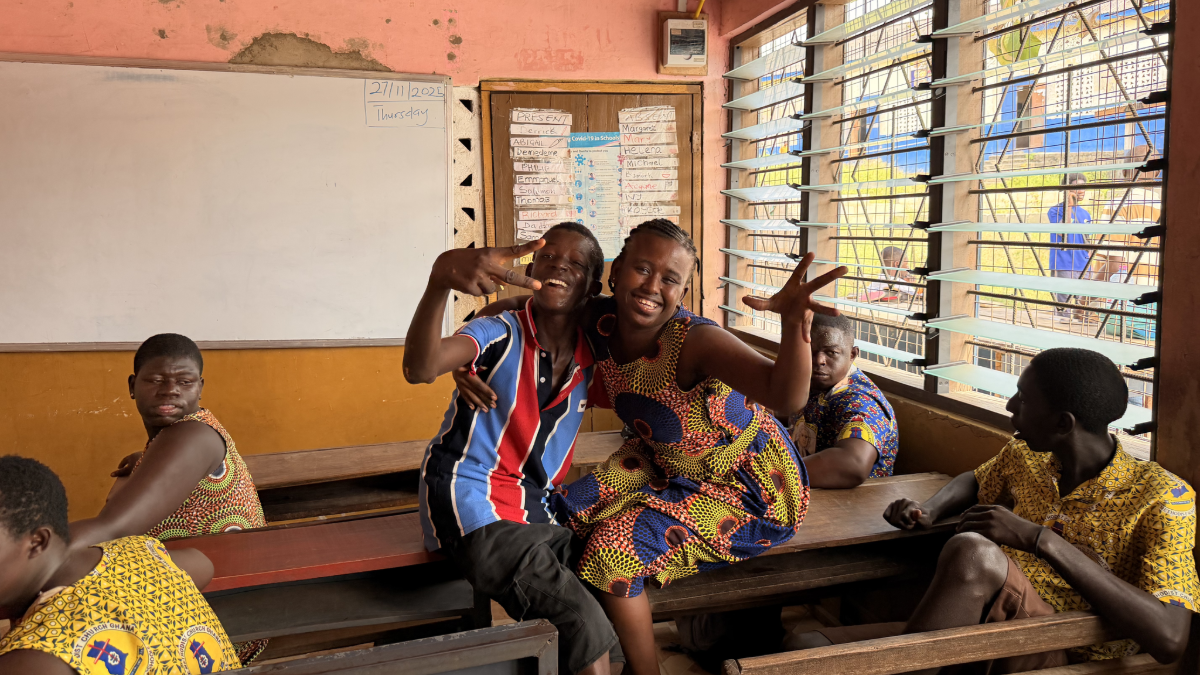

A recent visit to two Cape Coast schools supported by RYTHM Foundation and The ANOPA Project — Aboom Special Needs School and Ghana National Inclusive School — highlighted what it takes for inclusive education in Ghana to truly serve children with disabilities, not simply include them in name.
For Ramya Chandrasekaran, Chief Communications Officer at QI Group, the visit brought back a sharp memory of her first time to Aboom in 2023.
“The visit was on a day of heavy, incessant rain,” Ramya recalled. “The downpour turned the surroundings into a muddy sludge, making accessibility extremely difficult. We struggled to reach the classrooms, navigating slippery, uneven ground clearly unsafe for everyone — especially for children with mobility challenges.”
The conditions inside were no better. “The classrooms were deteriorated, with bare cement floors, tin roofs, and water leakages. The overall environment was clearly unconducive to learning. It didn’t offer the dignity, safety, or support children with special needs deserve,” she added.
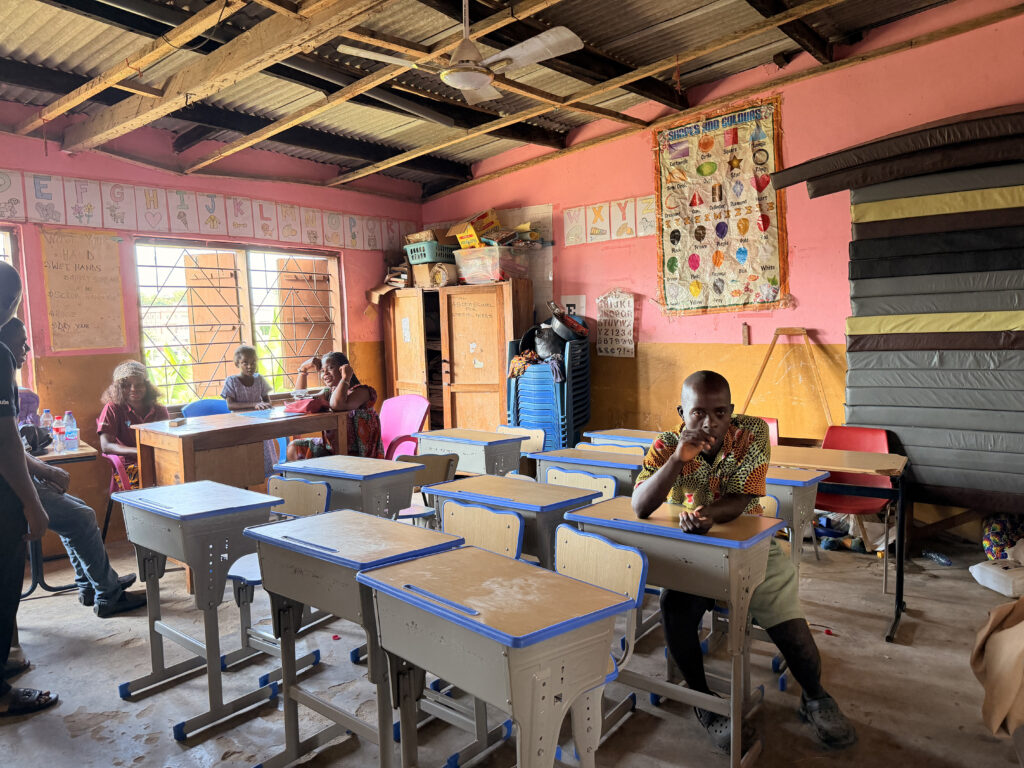

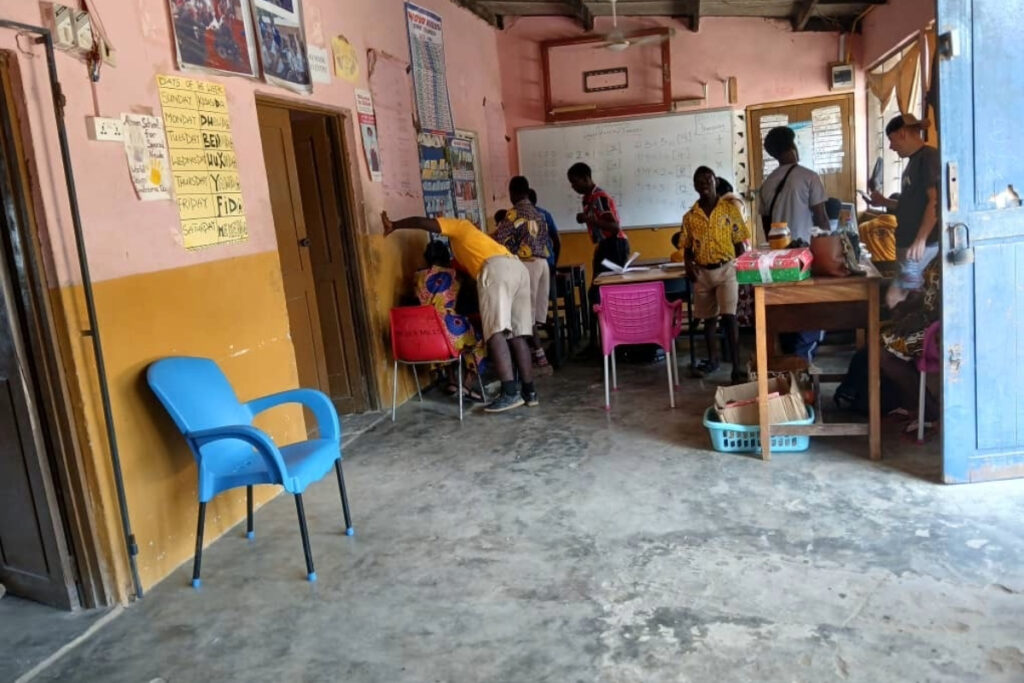
Experiencing the unsafe and challenging environment firsthand made the improvements Ramya now saw especially striking.
As schools that serve some of the most vulnerable learners in the region, including children with autism, Down syndrome, cerebral palsy, and visual impairments, the improvements highlight what inclusive education looks like when children’s needs are prioritised in practice, not just in policy.
Aboom Special Needs School Transformed
Aboom serves 165 students and is part of a cluster of four schools, surrounded by a community of about 200 households.
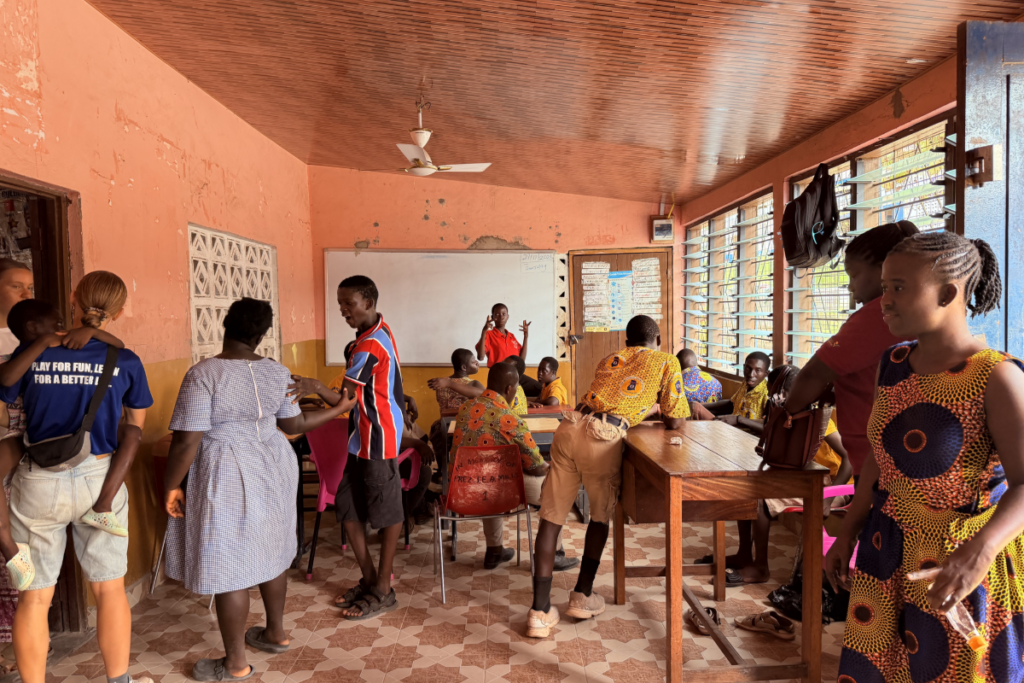
The school now has a new tiled classroom floor, repaired walls, fresh paint, and a new roof, creating a safer, cleaner, and more comfortable learning space. Muddy paths have been replaced with paved walkways and landscaped areas, improving accessibility for children.
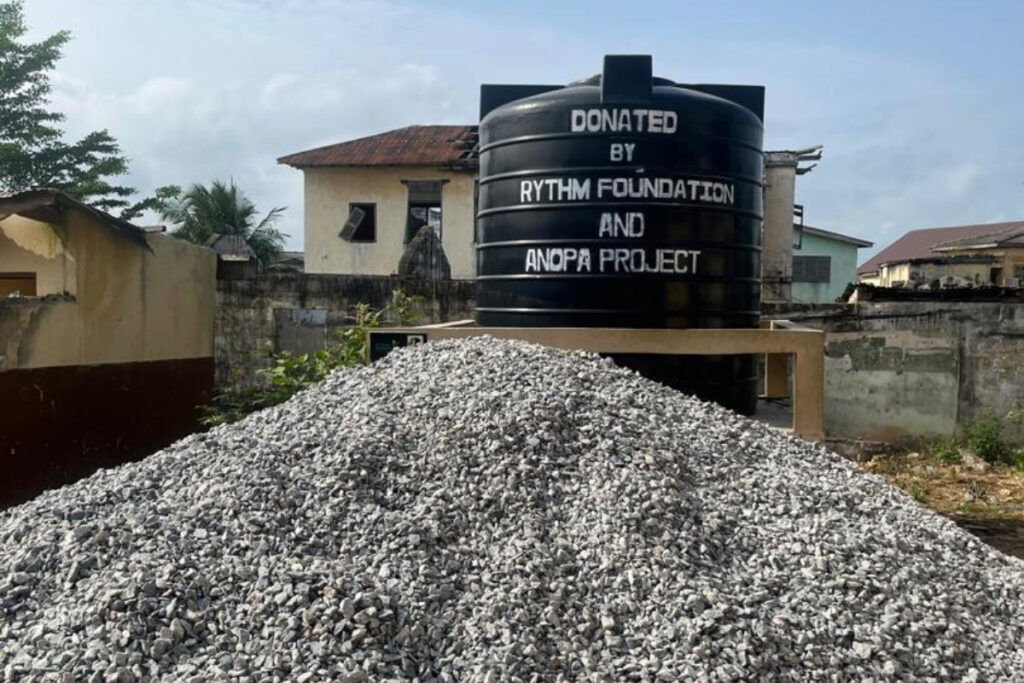
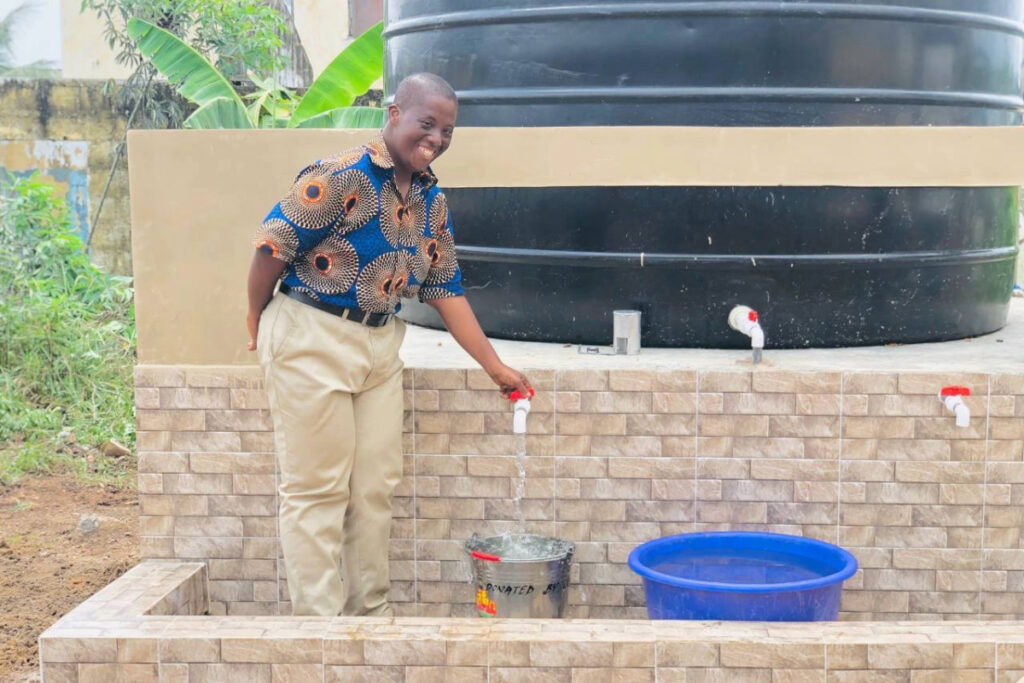
A 10,000-litre water tank was also installed, providing reliable water to Aboom, several nearby schools, and the homes in the community.
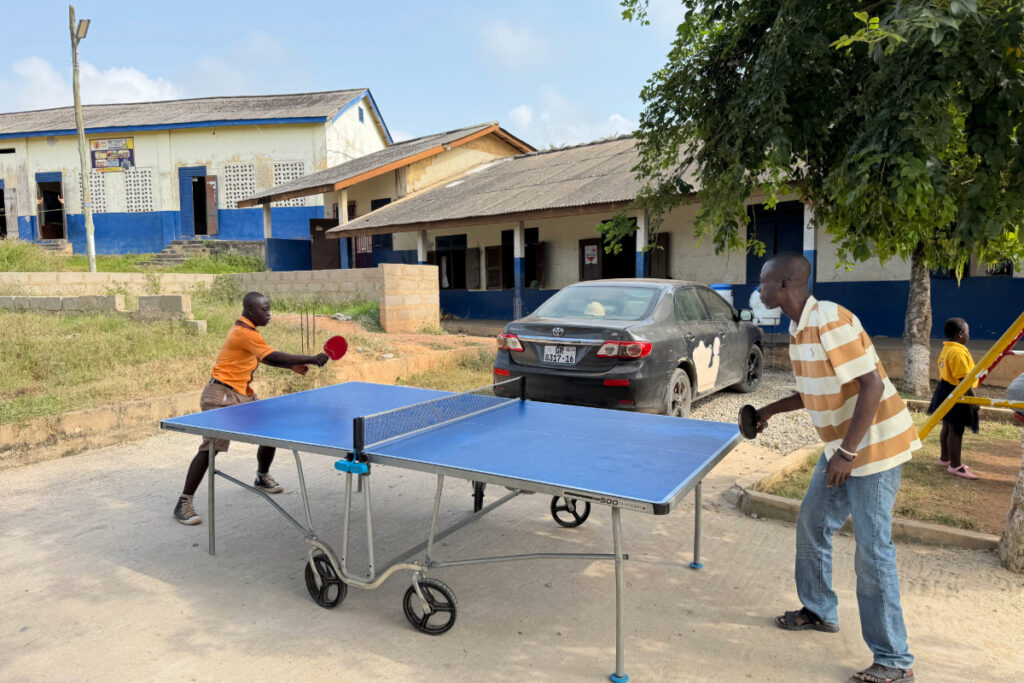
ANOPA, which places sports at the heart of its work, continues to use regular physical activity at Aboom to build students’ confidence, discipline, and inclusion. The NGO’s weekly sports sessions cover football, athletics, and table tennis, with additional training for those preparing for school competitions or the Special Olympics.
One such student is Samuel Mensah, who represented Ghana in table tennis at the 2023 Special Olympics in Berlin, bringing home a silver medal.
“Samuel’s journey from school training to an international stage is a reminder that inclusion is not symbolic. It’s practical, visible, and life-changing when done right.”


Improved access at Ghana National Inclusive School
Ghana National supports around 600 students, including 28 who are visually impaired. Its hilly terrain has long made movement difficult, especially during the rainy season.
One of the most impactful upgrades here is a newly constructed concrete walkway with a ramp for wheelchair access. The path connects the school to dormitories at the neighbouring Cape Coast School for the Deaf and Blind, where the visually impaired students live.
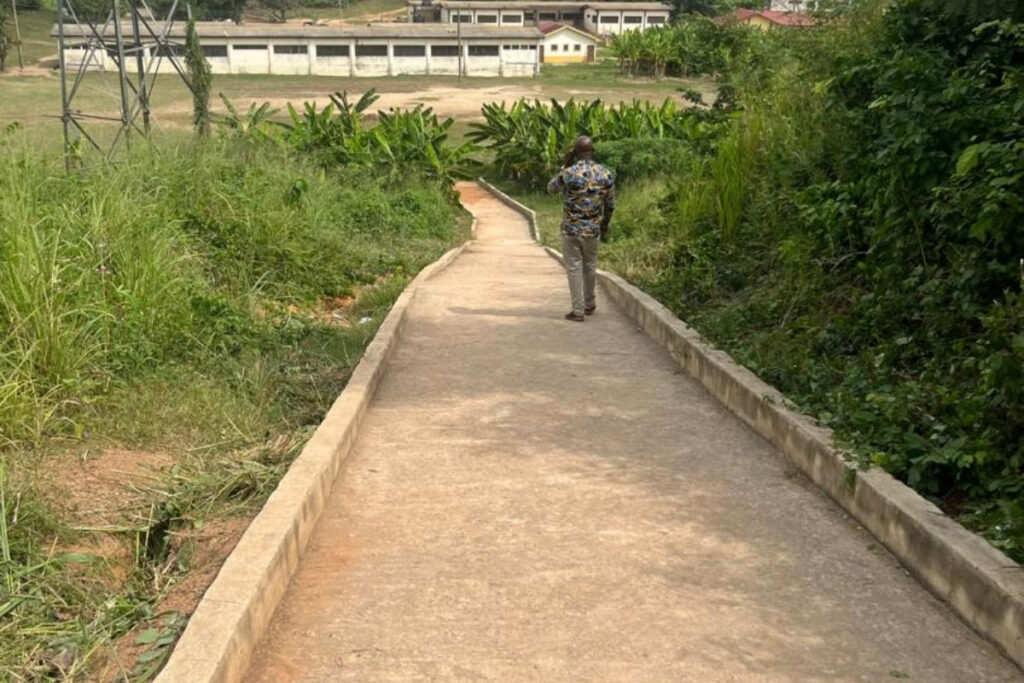


“What was once a slushy, unsafe path infested with snakes is now a solid, accessible route, allowing visually impaired students and wheelchair users to move safely and independently, even in the rain,” Ramya noted.
Other improvements include a graded, landscaped forecourt to manage erosion and a fully renovated computer lab to support inclusive digital learning.
Sports are also a core part of Ghana National, with twice-weekly football, volleyball, netball, and modified games designed for inclusive participation.

Moving Inclusive Education in Ghana Forward
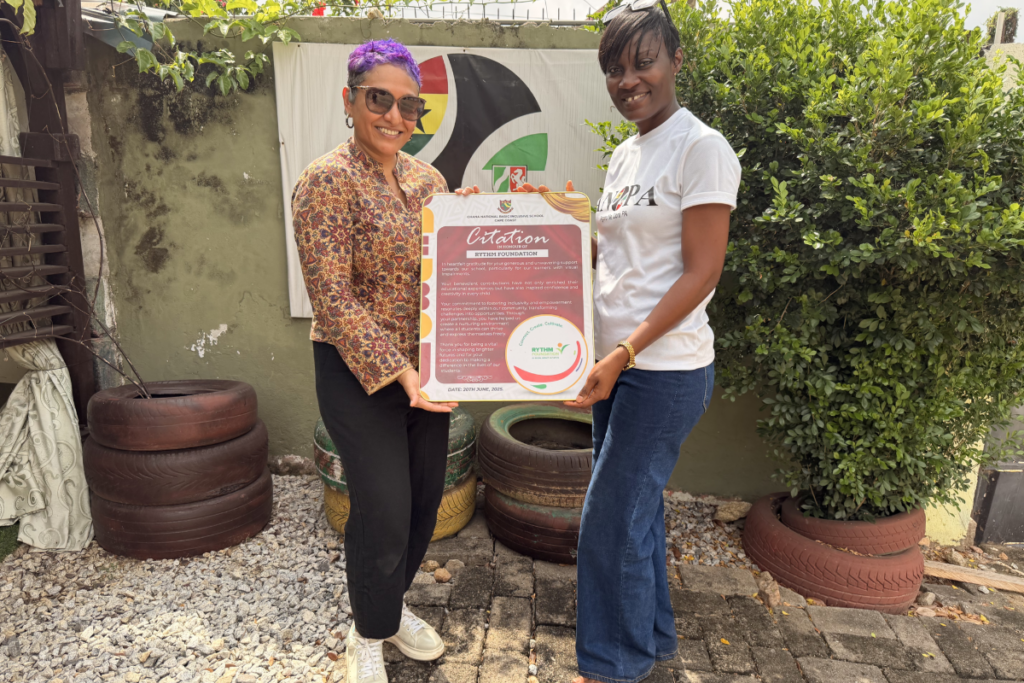
RYTHM’s sustained interventions at both schools have played a vital role in their transformation, said ANOPA representative Elsina Akweley Annang. These changes have also shifted parental attitudes.
“Some parents stopped sending their children because access was difficult. They are now more willing to bring their children, and students who had stopped attending have returned,” Elsina added.
The visit to both schools highlights how focused infrastructure investments and inclusive programming can directly improve access to education for children with disabilities.
Planned next steps at both schools include further classroom upgrades, additional assistive equipment, and continued development of safe pathways.