
Gender inequality and women’s health are deeply interconnected, shaping outcomes for millions worldwide. Despite global progress, gender inequality continues to limit women’s health access, leading to disparities in care, delayed treatment, and poorer long-term well-being.
From maternal health risks to limited access to essential services, the impact of gender inequality on women’s health is especially severe in developing regions, where systemic barriers continue to persist.
The UN Women’s Gender Snapshot 2025 report offers an indication of this reality.
According to the report, women spend nearly 11 years in poor health compared to eight years for men. Additionally, while women generally live longer, they experience more years dealing with illness, disability, or untreated conditions.
But while the “health span gap” highlights part of the problem, it also points to systemic inequalities that limit women’s access to healthcare, maternal health services, and mental health support, especially in lower-income and developing regions.
Why Gender Inequality Limits Access to Healthcare
In many disadvantaged communities, women lack financial independence, have limited access to education and employment opportunities, and are saddled with caregiving responsibilities.
This typically means that their health and well-being needs are postponed or overlooked. And delayed check-ups or skipped preventive screenings can cause small health concerns to escalate into serious conditions.
The World Health Organisation’s (WHO) Maternal Mortality Fact Sheet notes that over 90% of maternal deaths (i.e., deaths during pregnancy, childbirth, or after terminating a pregnancy) occur in low- and lower-middle-income countries. And this is partly due to the low prioritisation of women’s health rights, including the right to safe and affordable sexual and reproductive health services.
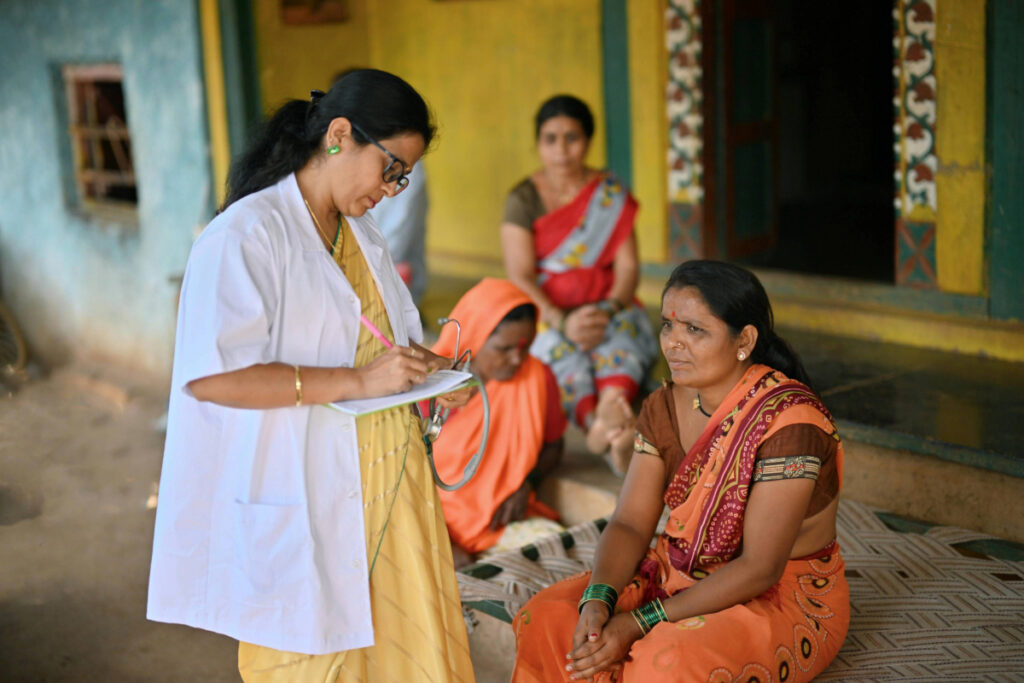
Incidentally, the risks are just as great for adolescent girls.
According to the non-profit Girls Not Brides, child marriages drive adolescent pregnancy in communities where pre-marital sexuality is taboo and virginity is connected to notions of purity and family honour. And this situation significantly increases risks to maternal and overall health.
These consequences aren’t simply medical issues. Rather, they stem from entrenched gender norms, education gaps, economic barriers and under-resourced health systems.
How NGOs are Driving Progress in Women’s Health
Against this backdrop, non-governmental organisations (NGOs) are playing a vital role in improving women’s health outcomes. And Care International’s work in Bangladesh serves as a prime example.
With over 20 women dying daily from avoidable maternal causes, the organisation partnered with the local government to improve maternal health in Gazipur District via the introduction of roving health teams, community health‑worker training, behaviour‑change outreach and stronger emergency referrals.
The result was a boost to maternal health awareness, along with an uptick in the number of women seeking antenatal support.
Similarly, Women for Women International (WfWI) has worked to improve women’s mental well-being, identifying mental health as a key pathway to closing the gender gap in healthcare.
A case in point is the organisation’s trauma-informed programme in Kosovo, which provided counselling, peer support, and emotional‑resilience training for women recovering from war and conflict.
According to WfWI, despite the Kosovo conflict ending in 1999, women in the country continue to struggle for economic and social equality, contributing to long-term social distress. Encouragingly, a vast majority of participants have reported improved mental and emotional well-being upon completing the programme.
How RYTHM Foundation Tackles Menstrual Health Inequality
But while NGOs play an important role, community-based initiatives are equally powerful in addressing inequalities at the local level.
This includes issues such as menstrual health, which is why RYTHM Foundation adopted a community-centred, gender-responsive approach in collaboration with Parinaama Development Foundation in Jharkhand, India.
Jharkhand faces significant water scarcity issues. Additionally, and importantly, women here also have to contend with limited, accurate information on menstrual health and safe hygiene practices.
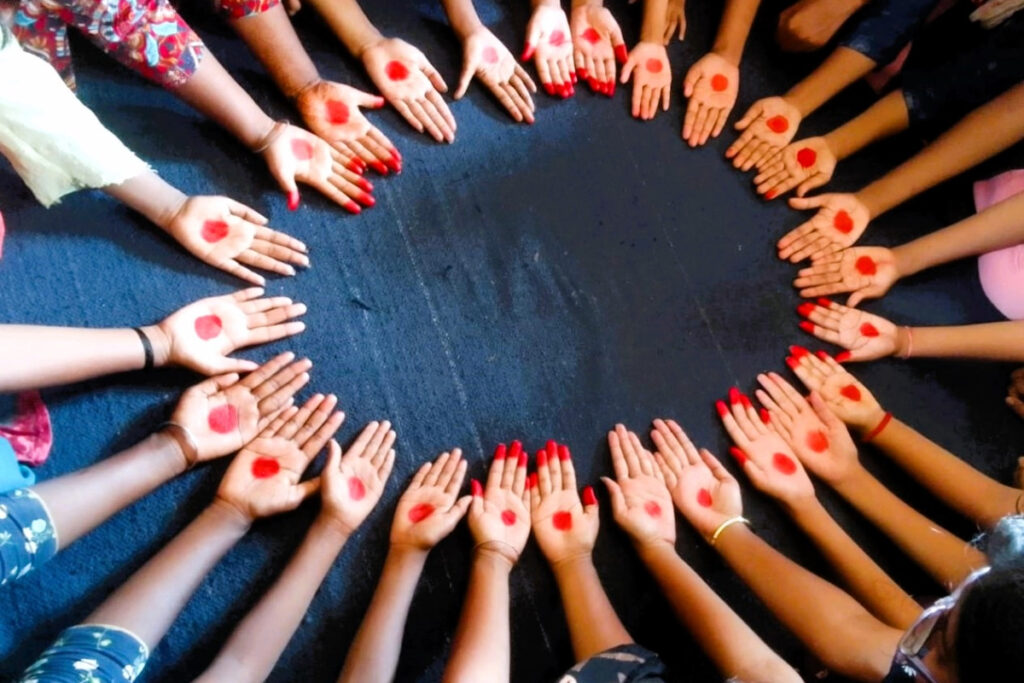
The Enabling Handwashing, Hygiene and Menstrual Health programme in 2023 used village-level workshops, school sessions, mother–daughter dialogues, and training sessions for local women leaders to provide women and girls in the state with essential information about menstrual health and hygiene.
The programme also succeeded in fostering confidence among participants.
Most significantly, to date, over 10,000 adults and children across Jharkhand have benefitted from improved menstrual health awareness and hygiene practices, underlining how targeted efforts can help close gender health gaps in meaningful ways.
Building Equitable Healthcare for Women
Ultimately, addressing the gender health gap requires more than just medicine — it necessitates a shift in power, access and opportunity.
And by investing in women’s education, ensuring their financial independence, and supporting community-led health initiatives, it’s possible to build a world where a woman’s health is determined by her needs, not her gender.