
For Styline D. Marak, the opportunity to learn Eri silk weaving began with a hope familiar to many parents: a better future for her children. A mother of three from Dobetkolgre, Terrace Gittim in East Garo Hills, Meghalaya, she wanted to earn an income while keeping her community’s weaving traditions alive.
In September 2025, she joined a training programme supported by Global Himalayan Expedition (GHE). With guidance from an experienced master trainer, she began learning how to turn Eri cocoons into yarn and finished textiles. The skills she gained gave her a new way to work towards her family’s future, rooted in her cultural heritage.
Her experience is part of RYTHM Foundation’s partnership with GHE to support sustainable livelihoods in Meghalaya’s Garo Hills. Through Eri silk weaving, community tourism, greenhouse farming and electric cooking, the programme provides training, shared facilities and practical resources that help communities build on local knowledge.
Eri Silk Weaving: Skills, Income and Cultural Heritage
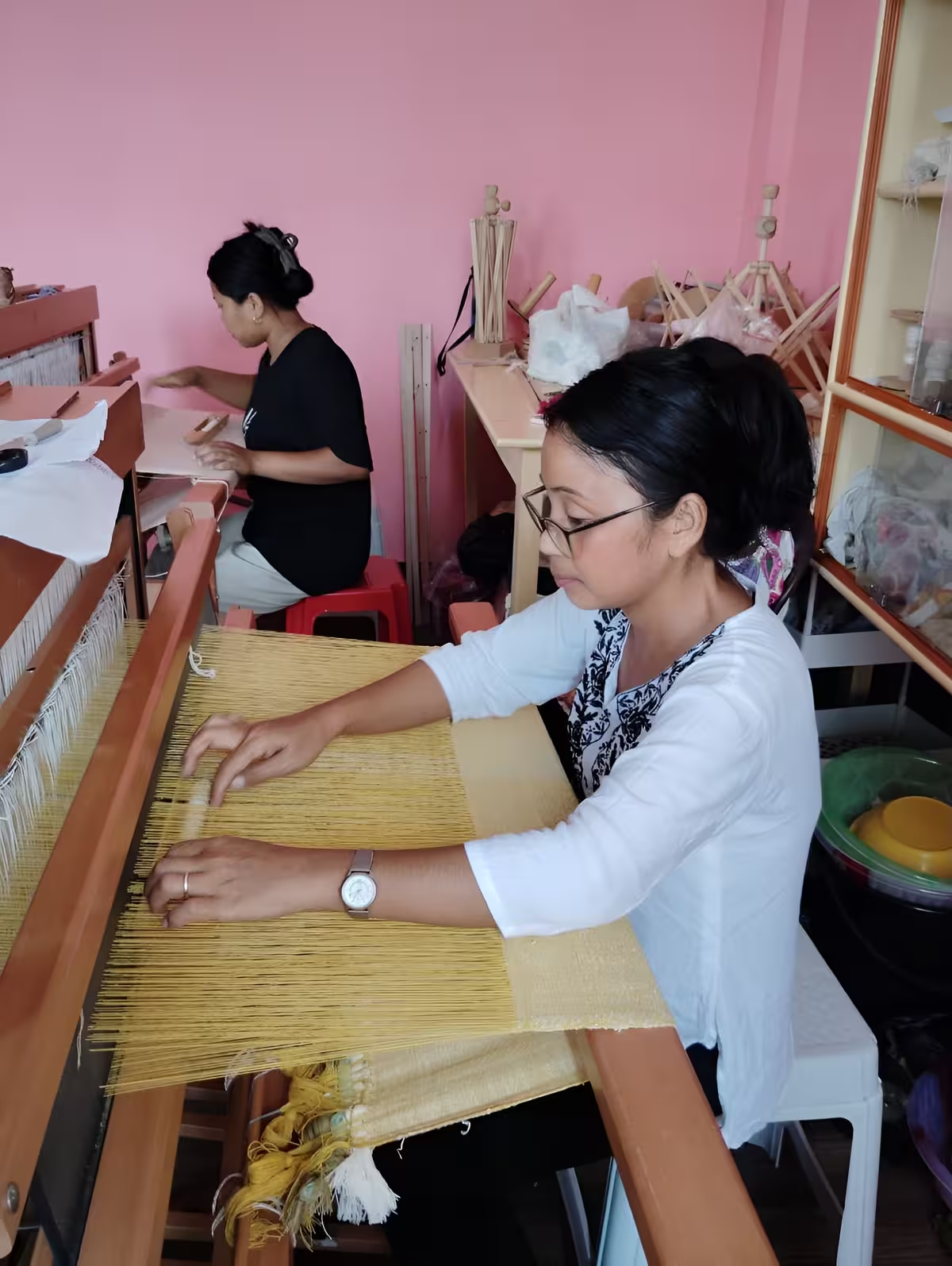
Styline’s training covered the Eri silk production process, from preparing cocoons and spinning yarn to winding threads, setting the warp and weaving on a jack loom. As her skills developed, she learned to make mufflers, shawls, scarves and traditional garments such as dakmanda and daksari. For Styline, these products offer a possible source of income and a way to preserve knowledge she wants future generations to inherit. The training strengthened her confidence and deepened her commitment to her craft. She hopes that continuing to weave will improve her family’s earnings and create more opportunities for her children.
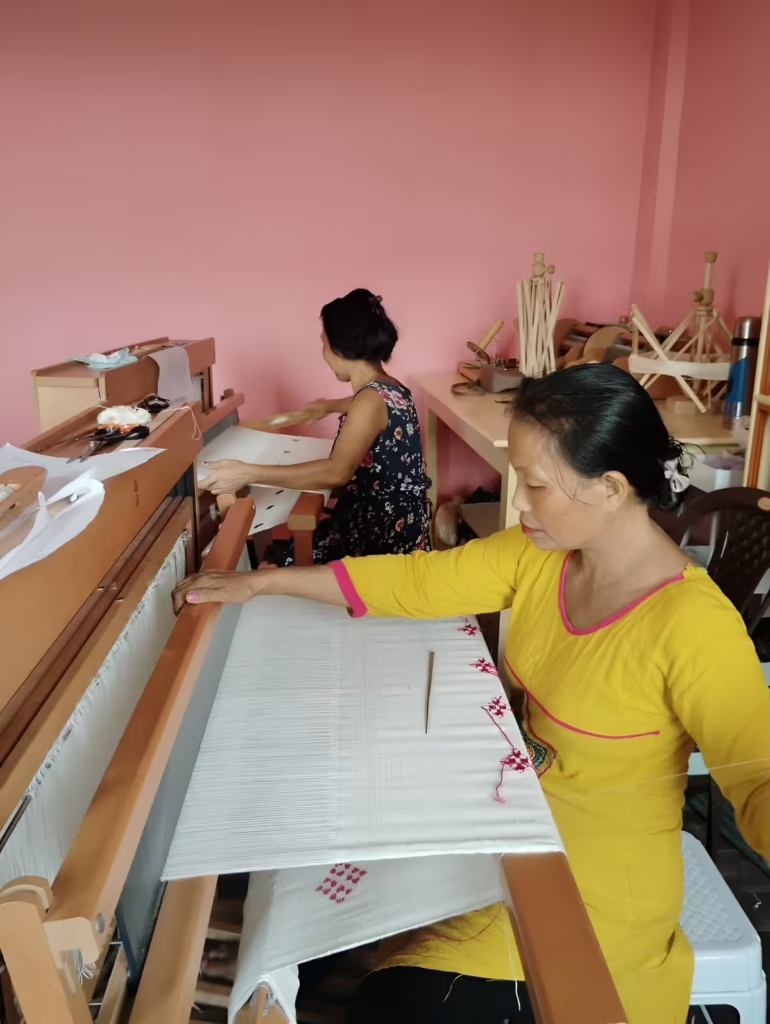
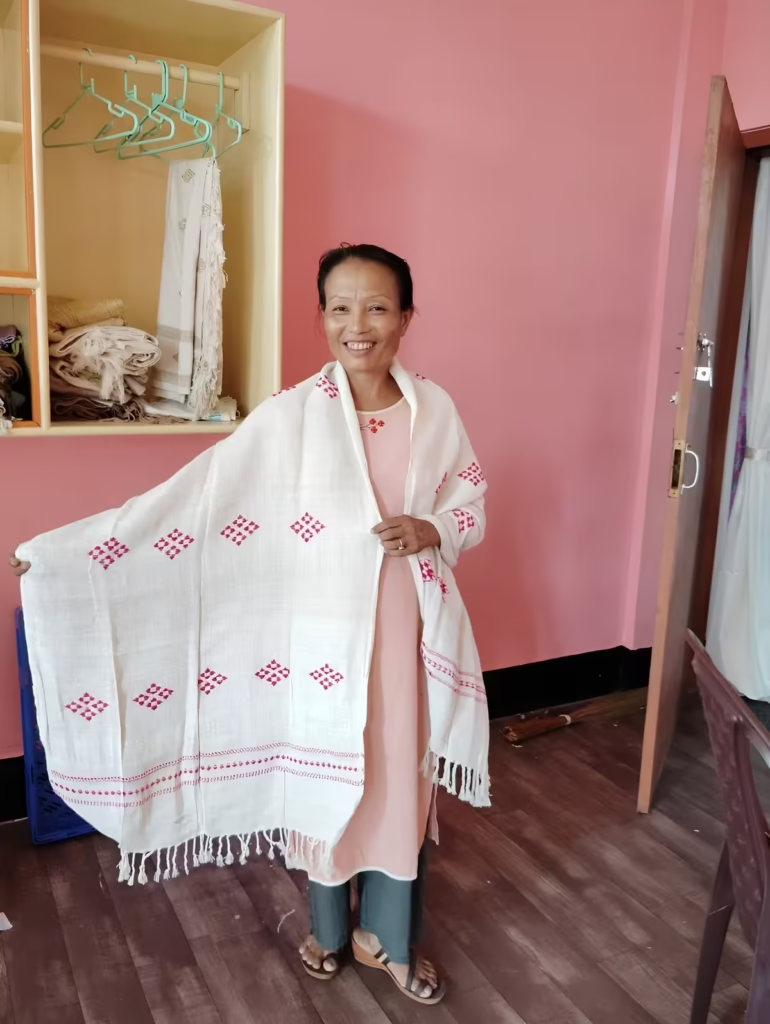
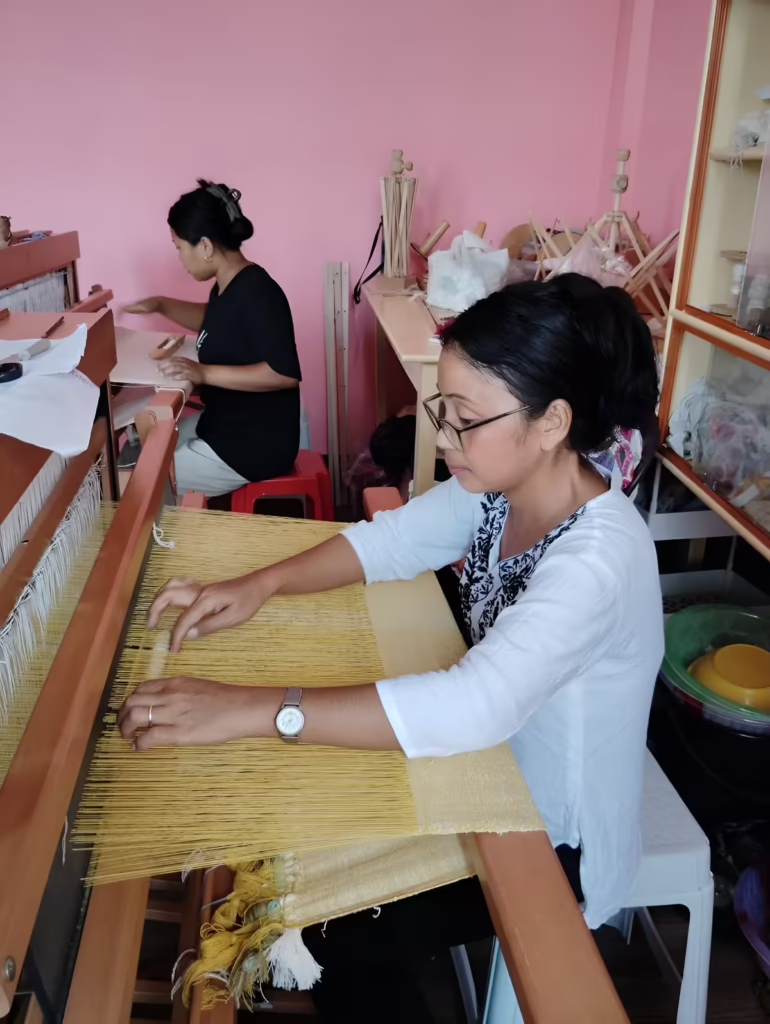
Styline is one of 20 women trained across the Eri silk production process, including natural dyeing and product development. A Community Eri Silk Training and Production Centre gives participants a shared place to learn, practice and improve the quality of their work.
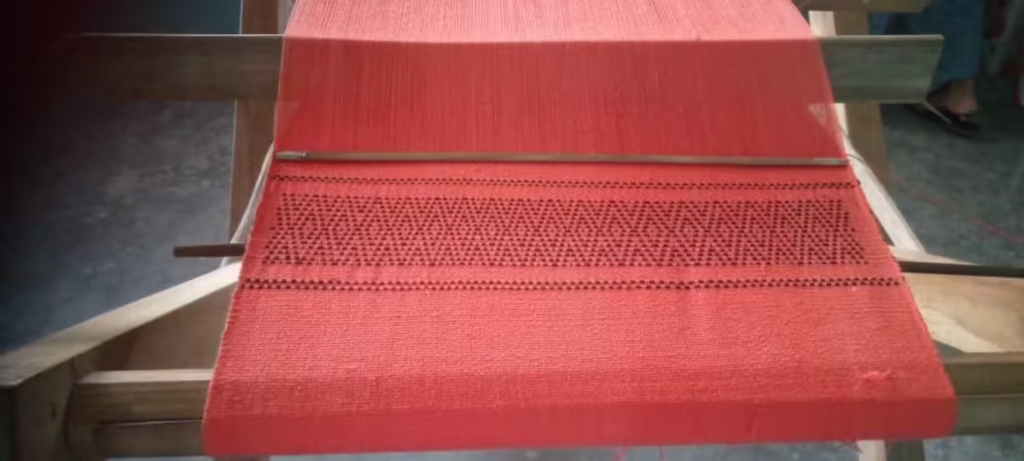
During the reporting period, the artisans collectively made 20 handcrafted products and spun 1,050 grams of yarn, generating ₹10,000 in earnings. These early results show participants beginning to turn their learning into products that can earn an income.
Visits to established producers and weaving centres offered further opportunities to learn about quality standards, marketing and managing an enterprise. Alongside technical training, this exposure helps women understand the steps involved in developing their craft into a livelihood.
Community Tourism in Sasatgre and Daribokgre
In Sasatgre and Daribokgre, families are exploring another way to earn through their community’s surroundings and cultural knowledge. Around the Nokrek Foothills, the programme supports tourism that aims to protect biodiversity and the Citrus Gene Sanctuary while creating opportunities for Garo communities.
Four homes were selected and improved to welcome guests. Better sanitation, drinking water systems and furnished guest rooms helped households prepare for visitors. Waste management and safety measures were also introduced, with renewable energy systems added where applicable.
The families received training in hospitality, food safety and hygiene, alongside digital literacy and financial management. This preparation supports the everyday responsibilities of hosting, from caring for guests to managing a small enterprise.
With listings on online booking platforms and promotion through GHE’s tourism network, the four homestays welcomed 545 visitors over the seven-month reporting period. Participating households collectively generated ₹565,000 in income, …showing how community tourism can support sustainable livelihoods in Meghalaya.
Greenhouse Farming for More Reliable Vegetable Production
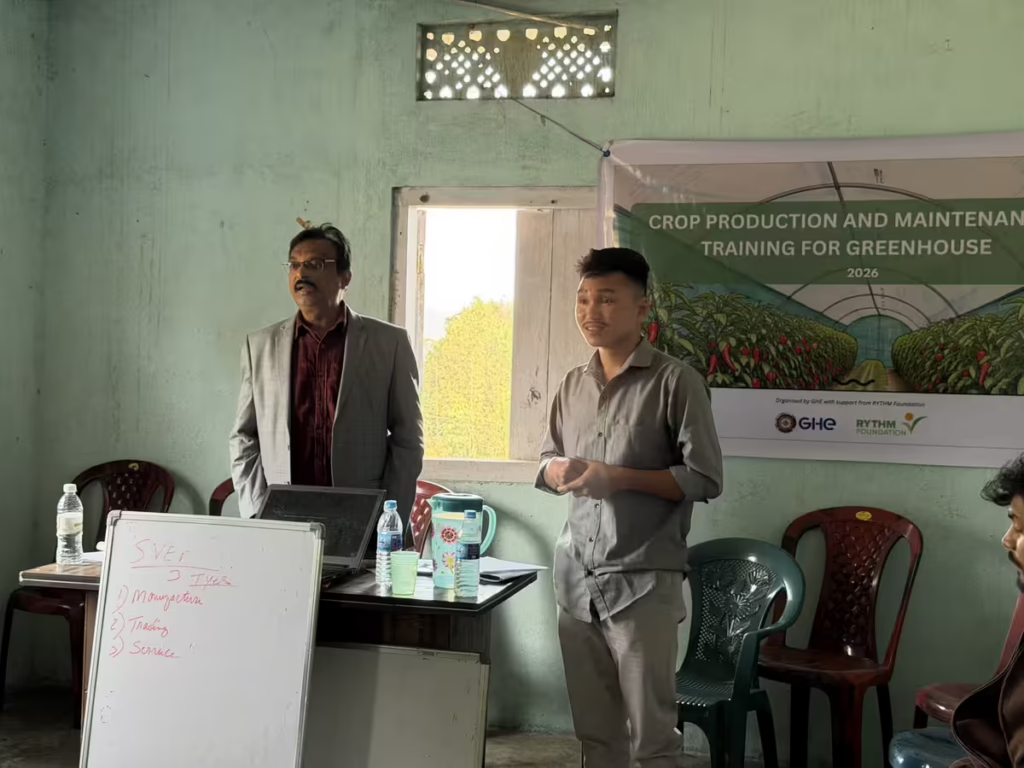
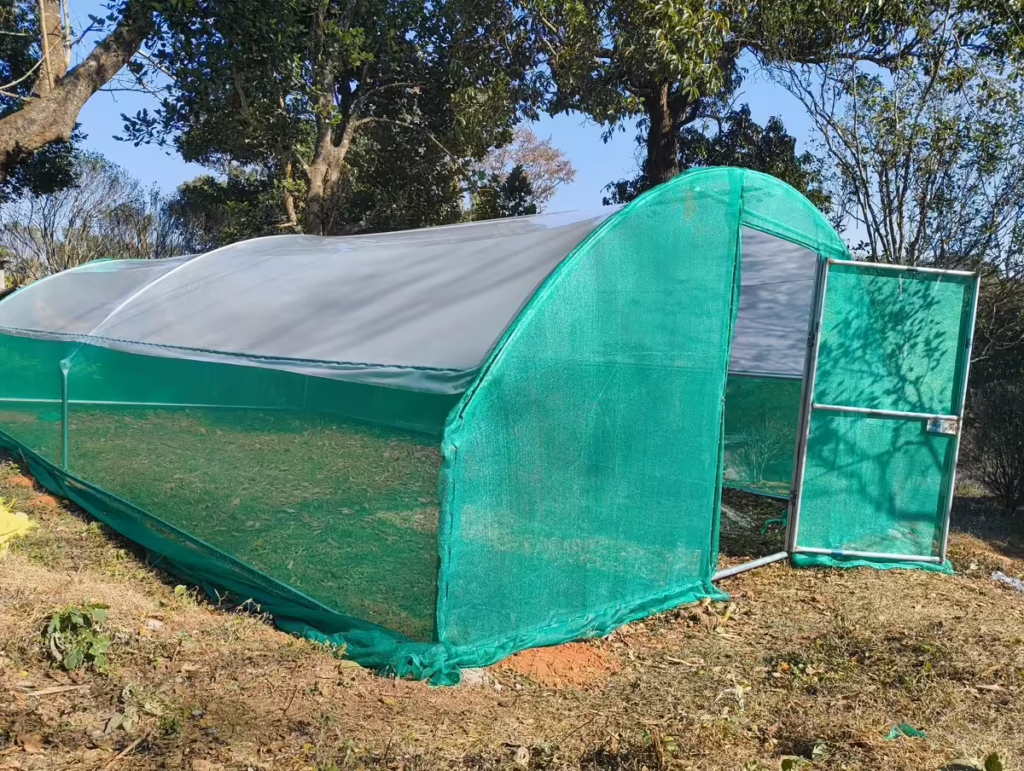
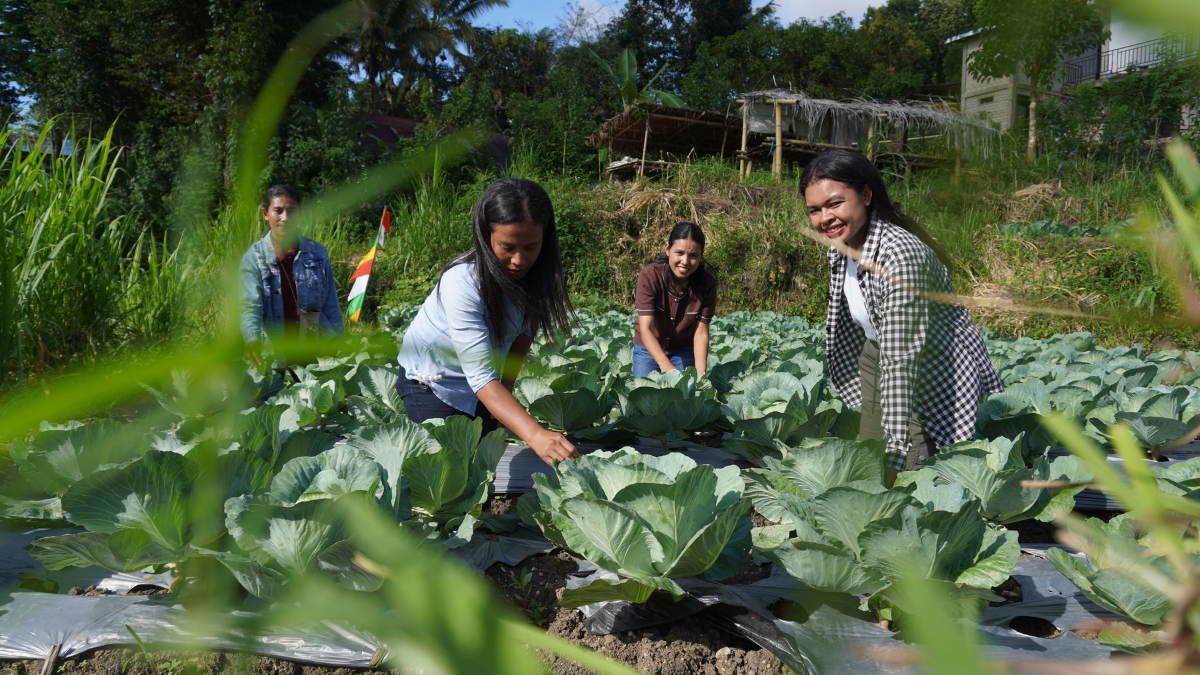
For 10 farmers in the Sasatgre–Daribokgre cluster, greenhouse cultivation offers support for growing vegetables throughout the year. The farmers received greenhouse structures, agricultural inputs and ongoing technical guidance, alongside practical training in crop planning, irrigation and managing pests.
The learning continued through demonstrations covering nursery preparation, greenhouse maintenance, harvesting and handling produce. Farmers could apply these lessons to crops including tomatoes, chillies, eggplants and leafy vegetables.
The greenhouses reduce crops’ exposure to changing weather conditions. The project update reports more consistent yields and reduced pesticide use, supporting farmers as they work towards more reliable production.
Electric Cooking to Reduce Reliance on Firewood
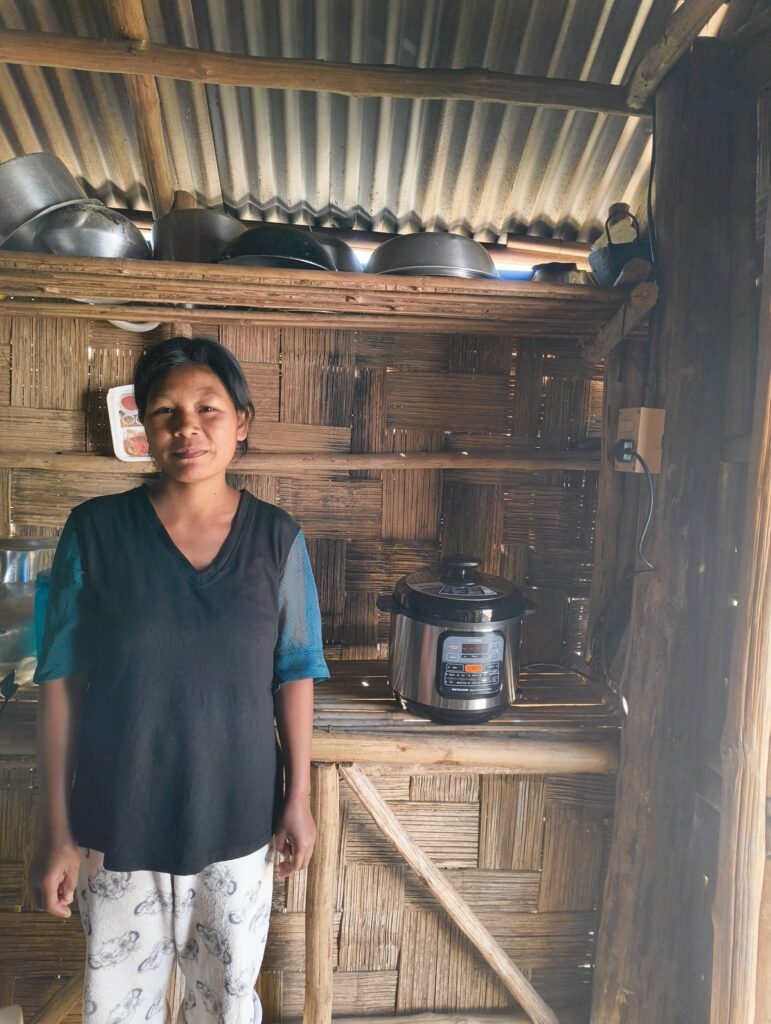
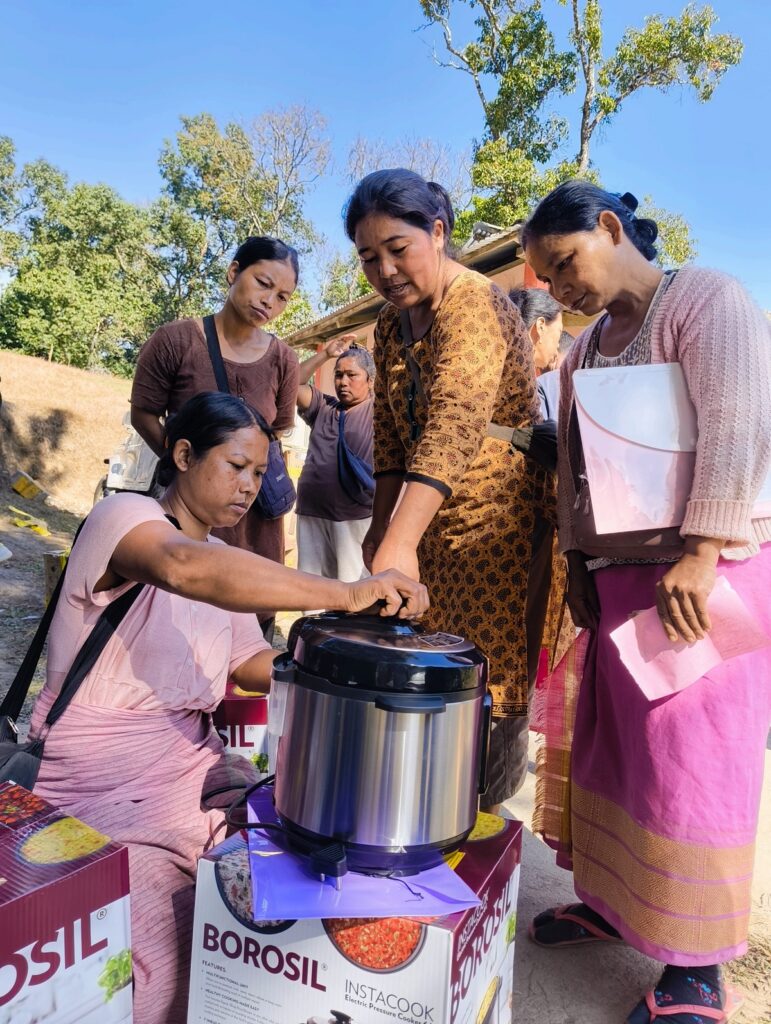
Changes are also taking place inside village homes. Across 10 villages, 100 households received six-litre electric pressure cookers, with dedicated electrical sockets installed for safe use. Practical demonstrations helped families learn to prepare local meals, clean the cookers and maintain them.
The project reports reduced reliance on firewood and less time spent collecting it, making daily cooking more convenient. Follow-up monitoring focuses on how families use the cookers in their routines.
For Styline, the next steps remain personal. She wants to keep developing her weaving, support her three children and carry her community’s traditions forward. Through access to training and resources, she has begun building the skills to pursue those hopes herself.