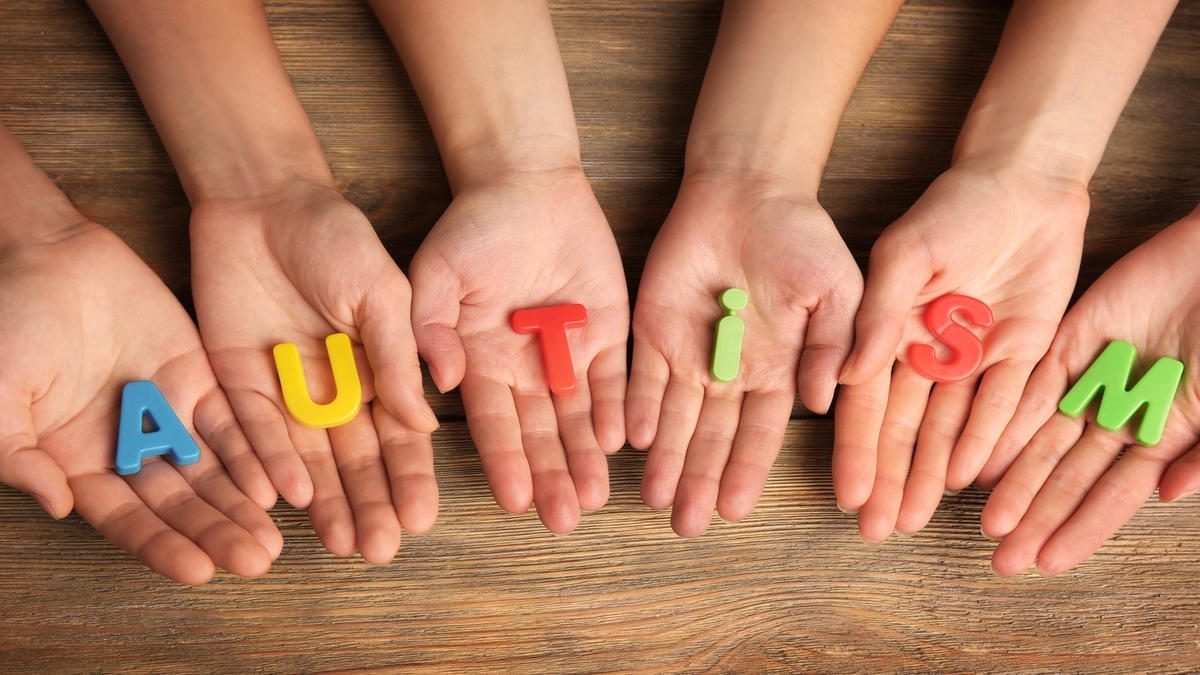

Autism Spectrum Disorder (ASD) is a complex and lifelong developmental condition that affects how individuals perceive the world and interact with others. According to the World Health Organization, one out of 100 children worldwide have autism.
No two people on the spectrum are the same; the experiences of autism are as unique as the individuals themselves. What ties them together is a shared need for acceptance, support, and an understanding of society.
With efforts to spread autism awareness growing yearly, more myths are being dispelled, and truths are being embraced. By shedding misconceptions and focusing on facts, we can build a world that celebrates neurodiversity, promotes inclusion, and respects every individual for who they are.
Understanding autism means going beyond labels to appreciate everyone’s uniqueness. Here are nine interesting facts about autism to help you gain insight into autism a little better:
Also read: The Importance of Special Needs Assessment and Diagnosis at an Early Age – Taarana School
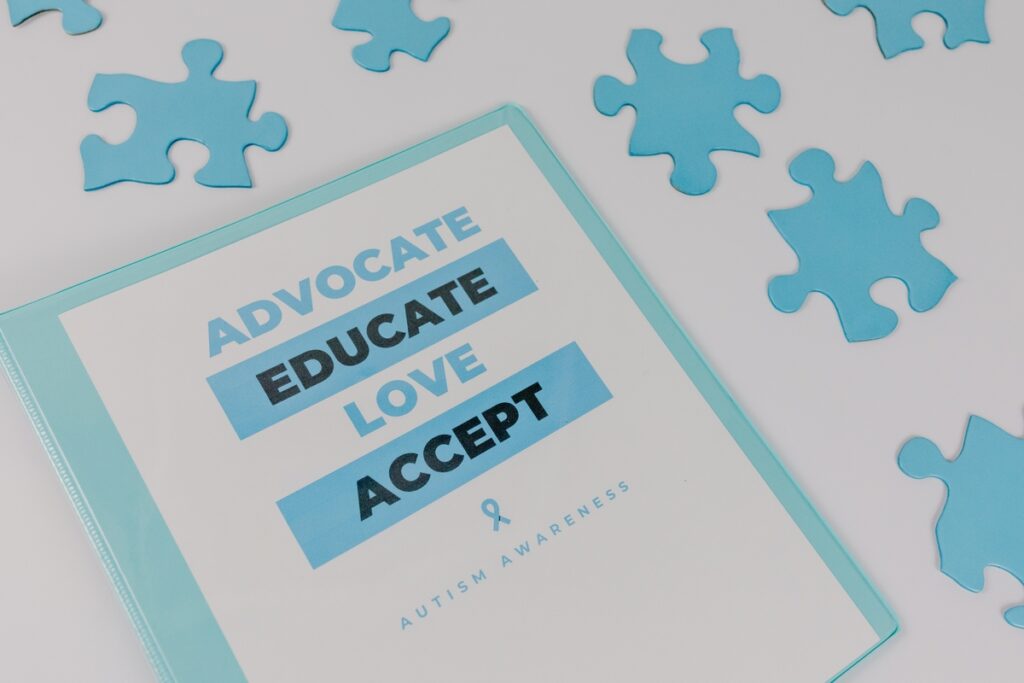
10 Interesting Things to Know About Autism
Autism is a spectrum, not one-size-fits-all – Autism is not a singular experience but a vast spectrum, with each individual having unique strengths, needs, and challenges. One person may have heightened sensitivity to sound, while another might excel in visual thinking but struggle with social cues. This diversity means no single definition can fit everyone.
We don’t know what causes autism – The exact cause of ASD remains a puzzle involving a mix of genetic and environmental factors. While research continues to uncover pieces of this complex puzzle, there’s no definitive answer yet, and each person’s experience is distinct.
Autism affects all backgrounds – ASD doesn’t discriminate. Understanding autism includes recognizing that it impacts individuals across all racial, ethnic, and economic backgrounds. However, the challenges of timely diagnosis often vary, with minority communities frequently facing delayed recognition due to financial, educational, and cultural obstacles that can limit access to proper support.
Autism is diagnosed later in girls than boys – Autism often goes unnoticed in girls until later stages compared to boys, partly due to differences in behavior and societal expectations. As per 2020 statistics, girls are identified 1.5 years later than boys. It’s likely because girls may mask their challenges more effectively and show different symptoms. For instance, girls often struggle more with reading social cues, while boys tend to exhibit more mannerism-related issues, such as repetitive behaviors like hand flapping.
Also read: Parents Discover the Future Possibilities for Their Differently-Abled Children – Taarana School
Understanding autism includes embracing neurodiversity – Neurodiversity is the idea that conditions like autism, ADHD, and dyslexia are natural variations of the human brain, not flaws to be fixed. It advocates for acceptance, inclusion, and support for people with different neurological makeups, recognizing their strengths and contributions rather than focusing solely on challenges.
Autistic individuals are empathetic and caring, not aloof – Contrary to misconceptions that autistic individuals are unemotional and cannot form social connections; they often care deeply about others. However, they may express empathy and affection differently from typical expectations. Their desire for meaningful interaction is genuine, but the challenges lie in navigating social norms and cues.
Autistic individuals can form close (even romantic) relationships – Autistic individuals are fully capable of creating deep, meaningful connections, including romantic ones. While they may face unique challenges in expressing romantic feelings for their partners, their capacity to love and be loved is just as actual and profound as anyone else’s.
Individuals with autism have unique sensory experiences – Hypersensitivity involves strong reactions to sensory stimuli, such as bright lights or loud noises. At the same time, hyposensitivity refers to reduced responsiveness, like a diminished awareness of pain or temperature or a need for sensory input through repetitive movements. Both sensory differences can be present in autism, making adapting learning environments to meet each individual’s needs essential.
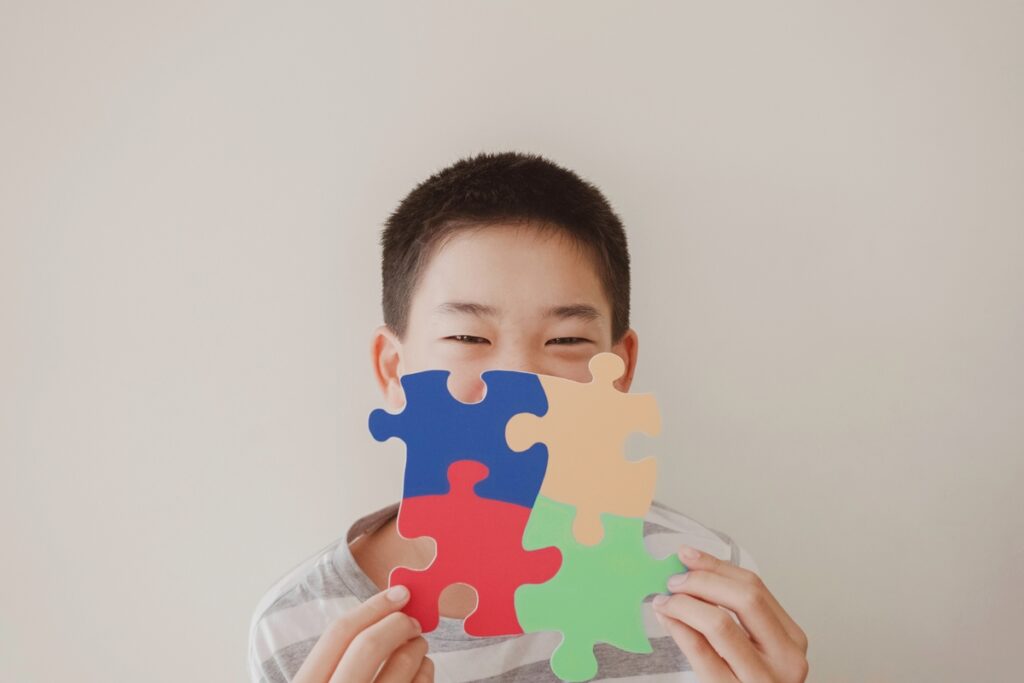
Caregivers of children with autism may face unique economic challenges – Autism awareness also means recognizing the financial challenges faced by caregivers. Research shows that mothers of children with autism experience a 56% reduction in work hours and earn 35% less than other mothers, impacting family resources and raising caregiver stress levels. Better support systems and access to resources are needed to ease these burdens.
Also read: 8 Helpful Tips for Helping Your Special Needs Child with Their Homework – Taarana School
From Understanding Autism to Taking Action
In the words of renowned autism spokesperson Dr. Temple Grandin, “The world needs all kinds of minds.”
Autism awareness means recognizing and appreciating the unique qualities of each individual. By understanding autism, challenging stereotypes, and embracing neurodiversity in our schools, workplaces, and communities, we can help build a kinder and more inclusive world.
We can take action by educating ourselves—learning these facts about autism is a great start. Do your part in spreading awareness about ASD today! Learn more about these efforts here.