
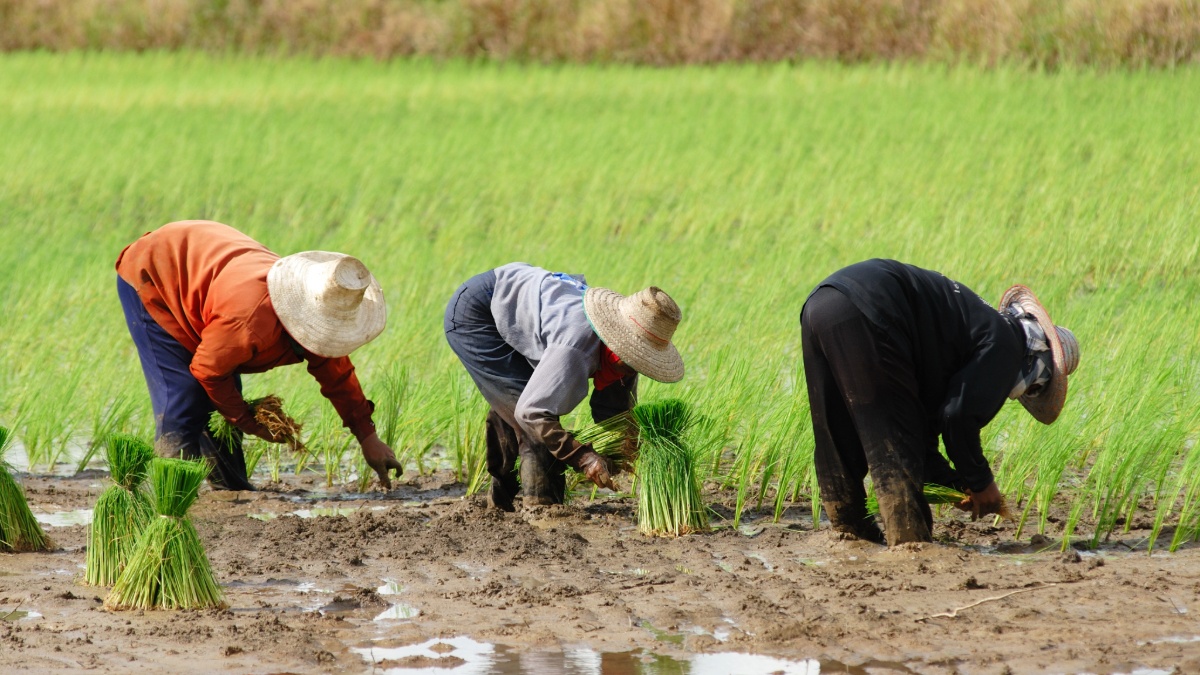

Understanding how farming impacts the environment requires looking beyond crop yields and production volumes. Agriculture is vital for feeding the world, yet its environmental footprint extends far beyond food supply.
Conventional farming practices like intensive tillage, monocropping, and heavy synthetic inputs have significantly altered soil health, water systems, and greenhouse gas balances — threatening both ecological stability and long-term productivity.
At the same time, farming has enormous potential to contribute to climate solutions and community resilience when grounded in sustainable practices. Regenerative and ecosystem-friendly methods can restore soil, enhance biodiversity, and increase resilience to climate change while supporting livelihoods in rural areas.

Recent Insights on Agriculture and the Environment
A growing body of research highlights both the environmental consequences of conventional agriculture and the promise of regenerative alternatives:
Soil carbon and climate mitigation: A 2025 scientific review in ScienceDirect found that regenerative agricultural strategies — including conservation agriculture, crop rotation, cover cropping, and agroforestry — significantly increase soil organic carbon stocks and reduce greenhouse gas emissions compared with conventional practices. These changes improve ecosystem balance and resilience to environmental stressors.
Regenerative agriculture benefits: Research published in Sustainable Food Systems identifies regenerative agriculture as an approach that can actively restore soil health, support biodiversity, and strengthen ecosystem services — essential components of sustainable and climate-resilient farming systems.
Soil health and biodiversity: A 2025 review in Sustainability underlines that regenerative systems, due to their focus on soil biology and reduced external inputs, offer scalable pathways to enhance soil health and biodiversity while addressing ecosystem degradation.
These studies build on earlier evidence showing that regenerative practices are linked to improved water retention, reduced runoff pollution, and better nutrient cycling across landscapes.
Community-Led Approaches That Work
At RYTHM Foundation, we’ve seen firsthand how sustainable resources in rural communities can uplift lives. Through our partnerships and grassroots initiatives, we are helping communities harness the power of sustainability to create long-term, inclusive growth.
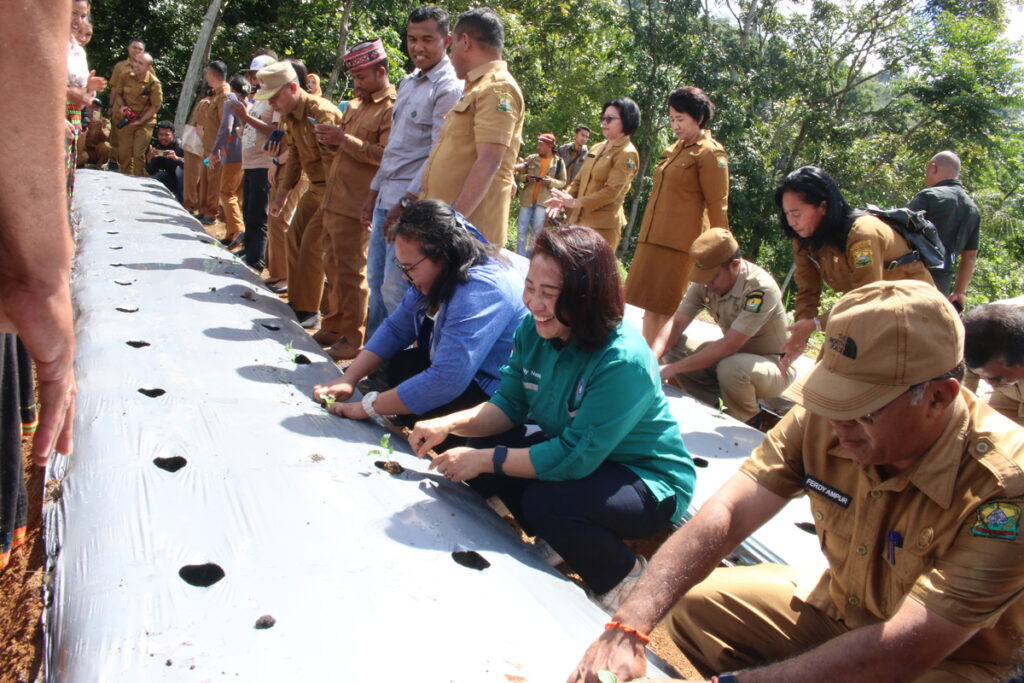
In Manggarai, Indonesia, RYTHM and Plan International launched the Green Skills Project, training 200 youth in climate-smart agriculture. The project empowers young people to lead inclusive, sustainable farming practices while addressing gender inequality and unemployment.
These resources are not merely environmental tools but transformative community assets. By investing in eco-friendly materials, green technologies, and locally relevant solutions, rural regions can uplift both people and the planet.
Bridging Agriculture, Environment, and Community Well-Being
Successful sustainable farming requires addressing both structural and ecological barriers. Initiatives that work tend to:
Prioritise local leadership — Projects shaped by community insight ensure sustainable practices align with local needs and knowledge systems.
Combine ecology with economic opportunities — Practices like agroforestry and diversified farming systems can generate additional income streams while enhancing long-term environmental health. Globally, studies have shown that integrated systems increase biodiversity and carbon sequestration without sacrificing productivity.
Support capacity building — Just as we emphasise community empowerment in education and livelihood programmes, equipping farmers with training, resources, and peer networks helps accelerate the adoption of sustainable methods.
This integrated approach reflects both research and practice: sustainable farming is most effective when it supports healthy ecosystems and community resilience.
Addressing Barriers, Not Just Outcomes
A key lesson from both research and field experience is that transforming agriculture requires more than technical fixes.
Barriers such as limited access to training, financing, and markets often prevent farmers from adopting greener practices even when evidence supports their benefits. Community trust, long-term support mechanisms, and local knowledge are all critical to long-lasting change.
Moving Forward
Farming will always be central to human society, but how we farm matters profoundly. While agriculture can contribute to environmental degradation, it also holds part of the solution when practices are sustainable, community-centred, and adapted to local ecosystems.
By supporting regenerative agriculture, empowering rural leaders, and investing in community-driven ecological solutions, we can reduce environmental impact and build more resilient, equitable rural economies.