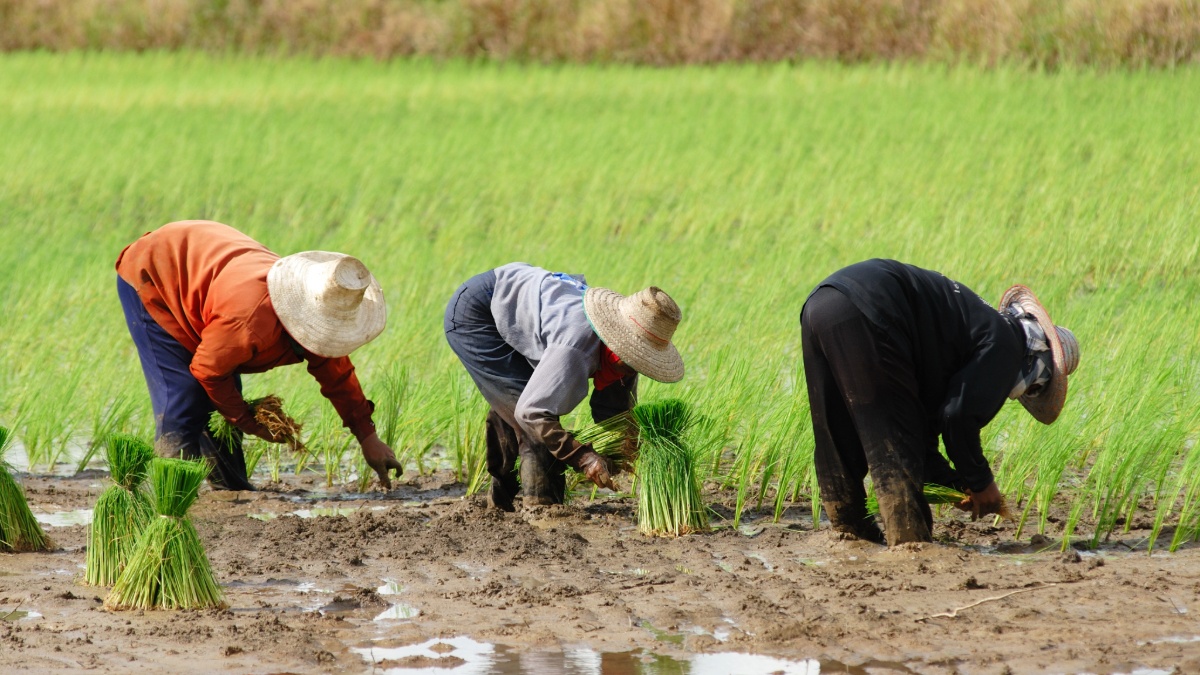


In times of social disruption and economic hardship, a community in crisis faces the urgent task of rebuilding lives, livelihoods, and trust. Disasters, environmental, social or financial, do more than damage infrastructure; they test the strength of human connection and the systems meant to protect it. The choices made in these moments define not only how a community recovers, but how it evolves.
Proper recovery is not about restoring what was lost, but about reimagining communities that are equitable, inclusive, and resilient. It means moving beyond short-term relief toward long-term transformation — where local voices shape solutions, vulnerable groups are at the centre of progress, and sustainability underpins every stage of rebuilding.
This approach transforms crisis into opportunity by empowering people, promoting inclusivity, and protecting our planet. Sustainable recovery is then not a single initiative, but a collective movement toward fairness, climate consciousness, and shared prosperity — ensuring that no one is left behind when rebuilding begins.
Here are three key actions that can guide communities toward sustainable recovery and long-term growth:
1. Empowering Vulnerable Populations in a Community in Crisis
Every sustainable recovery starts by uplifting those most affected. Vulnerable populations, including women, children, and marginalised groups, often carry the heaviest burden after crises.
This aligns with the framework set out by the United Nations Development Programme (UNDP) in its Community-Based Resilience-Building: A UNDP Guidance Note (May 2025), which emphasises holistic, community-led approaches spanning disaster risk management, climate adaptation, and ecosystem stewardship.
True recovery also demands attention to the emotional and psychosocial well-being of affected communities, recognising that healing can take years and must be supported through ongoing social and mental health interventions.
2. Driving Sustainable Economic Recovery
Economic hardship is one of the most visible consequences of any disaster. However, rebuilding with sustainability in mind ensures resilience beyond the crisis.
This is increasingly important when considering global cost data: according to the United Nations Office for Disaster Risk Reduction (UNDRR)’s flagship report Global Assessment Report (GAR) 2025: Resilience Pays, disaster‐related costs now exceed US$2.3 trillion annually, once indirect and ecosystem impacts are taken into account.
Sustainable economies not only restore livelihoods but also foster dignity, equality, and self-reliance, key ingredients of a proper recovery.
3. Strengthening Policy and Partnerships
No community can recover alone. Sustainable recovery requires collaboration among local leaders, NGOs, governments, and the private sector to align immediate relief with long-term resilience and sustainability.
Transparent governance and community participation ensure recovery efforts address real needs, not imposed agendas. Partnerships that unite NGOs’ local insight, government structure, and private-sector innovation create stronger, fairer recovery systems built on trust and shared purpose.
A RAND Corporation study (2023) found that communities recover more quickly and fairly when these sectors collaborate toward shared goals. Empowering local participation within such partnerships ensures that communities are not merely recipients of aid but co-creators of their own sustainable future.

The Power of Unity in a Community in Crisis
Every community in crisis holds within it the seeds of resilience. With compassion, collaboration, and vision, recovery can become renewal.
Empowering women and girls is not merely an act of compassion; it is a proven strategy for strengthening a community in crisis. When women are equipped with education, resources, and leadership opportunities, they become catalysts for transformation, fostering stability and resilience that ripple through entire societies.
RYTHM Foundation’s approach reflects this principle by collaborating with partners to enhance access to education, livelihood opportunities, and social support systems. In doing so, the Foundation contributes to a broader global movement that recognises gender equality and inclusion as essential pillars of recovery and long-term sustainability.
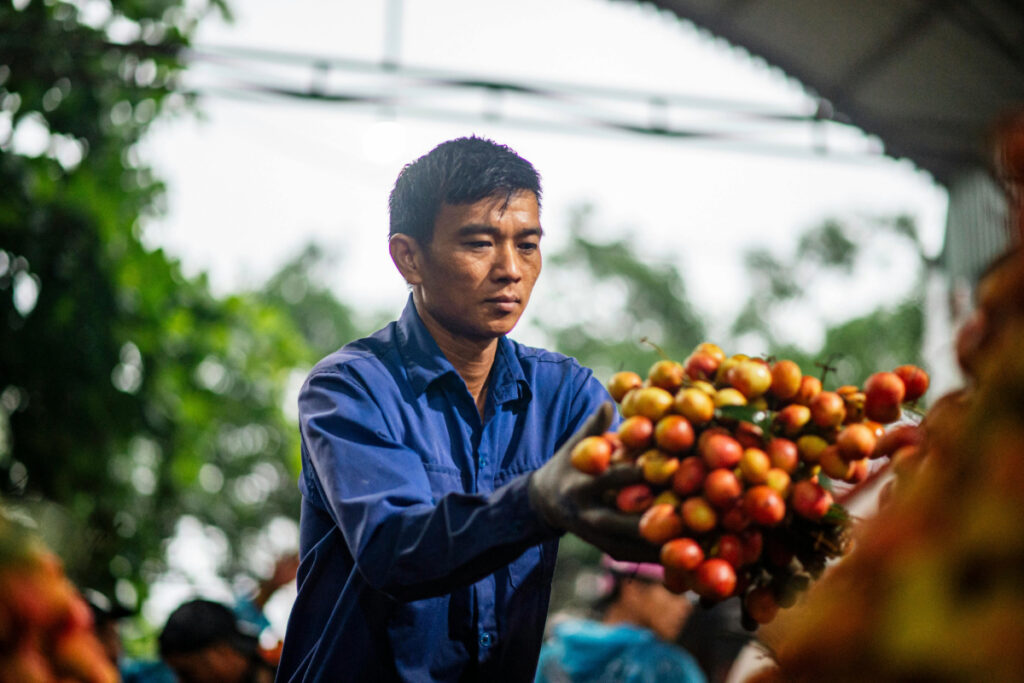
The future of every community in crisis depends on the choices made today. By empowering the vulnerable, supporting sustainable livelihoods, and forging partnerships built on trust, we can transform recovery into renewal. The path forward is clear—build together, act with empathy, and make resilience a shared goal for all.